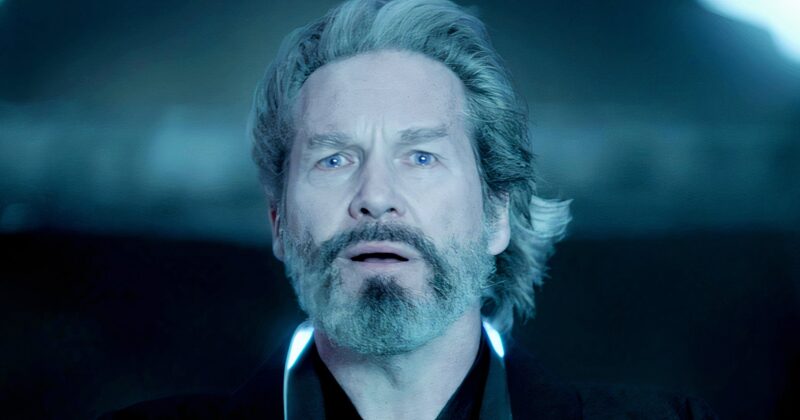
How TRON: Legacy and Jeff Bridges Revolutionized Digital De-Aging in Hollywood

TRON: Legacy—Pioneering the Future of CGI and Digital De-Aging
Few films have left such a visible mark on the intersection of technology and cinema as TRON: Legacy. Not only did it revive an iconic science fiction universe, but it propelled digital effects into a new era—especially through its ambitious application of digital de-aging technology. At the heart of this venture was Jeff Bridges, whose dual performance as both a weathered Kevin Flynn and the digital avatar Clu set bold new standards, even as it flirted with the now-infamous uncanny valley.
Reinventing a Sci-Fi Legend with Digital Tools
When TRON: Legacy hit theaters, audiences were instantly drawn to the dazzling depiction of The Grid, but tech aficionados and filmmakers would be left in awe by something subtler: the seamless coexistence of Jeff Bridges at two very different ages on screen. The younger Clu, created through advanced CGI and performance capture, pushed the boundaries of visual effects and marked one of the first major feature-length uses of large-scale digital de-aging. While audiences had seen early experiments in movies like The Curious Case of Benjamin Button and X-Men: The Last Stand, TRON: Legacy expanded the scope, integrating a fully digital double as a central character—something that was almost unheard of at the time.
The Uncanny Valley Becomes Mainstream
Reviewers quickly noted how Clu sometimes seemed just a bit off—his facial movements, skin texture, and gaze subtly betrayed the technical limits of the era. Yet, this experiment was anything but a failure. By populating the mainstream with digital de-aging, TRON: Legacy sparked conversations among filmmakers, VFX artists, and audiences alike about the role of technology in cinematic storytelling. Jeff Bridges himself joked that his CGI counterpart almost looked more like Bill Maher than himself—highlighting the strangeness, but also inviting viewers to marvel at how far computer-generated imagery had come in a short span of time.
The Domino Effect: From The Grid to the Multiverse
The true legacy of TRON: Legacy isn’t just about one film’s technical milestone—it’s reflected in the wave of digital de-aging that followed across the blockbuster landscape. Disney, ever keen to innovate, took these lessons into its biggest franchises. Audiences soon saw a young Tony Stark (Robert Downey Jr.) in flashbacks, a younger Nick Fury (Samuel L. Jackson) spanning entire feature films, and the digital resurrection of Peter Cushing as Grand Moff Tarkin in Rogue One: A Star Wars Story. While some responses turned to fatigue, these experiments reshaped how stories could span generations or bring legacy characters to new audiences, establishing CGI de-aging as a tool in the modern filmmaker’s arsenal.
From Technical Curiosity to Mainstream Expectation
As the technology matured, so did audience expectations. Digital doubles and de-aged characters are no longer novelties. Instead, they’re part of the visual storytelling toolkit, sometimes overused but often deployed with increasing subtlety. Directors and VFX supervisors had to strike a delicate balance between visual spectacle and authentic performance—an ongoing conversation in cinematic circles. Recent titles continue to refine these techniques, signaling that while the ‘wow factor’ may have mellowed, the appetite for digital transformation is far from gone.
TRON: Legacy and the Evolution of Generative Media
Looking back, the obsessive detail poured into Jeff Bridges’ rejuvenated digital persona showcased not just technical prowess but a studio’s willingness to take creative risks. TRON: Legacy stands as a point of evolution, foreshadowing today’s surge in generative AI media and increasingly blurred lines between physical actors and virtual doubles. Even as the de-aging trend cycles in and out of favor, its origins remain anchored in daring productions like TRON: Legacy, which fused nostalgia with the promise of tomorrow—all beneath the neon glow of science fiction’s digital frontier.
TRON: Legacy continues to inspire debate and study among fans and industry insiders, not just as a visual spectacle but as a pivotal crossroads where Hollywood, digital artistry, and the limitless possibilities of storytelling collided.