The Fantastic Four’s Most Iconic Costumes: The Blue-and-White Era’s Enduring Influence on Comics and the MCU

The Unexpected Evolution of the Fantastic Four’s Costumes
When Marvel fans think of the Fantastic Four, the image of their signature blue costumes might instantly come to mind. Yet, for many readers and moviegoers, what truly stands out is a particular shift in style that began with a creative twist—one that would define Marvel’s First Family for years, both on page and screen.
A Game-Changing Shift in Comic Design
For over two decades since their creation, the Fantastic Four sported blue suits with black accessories. That changed unexpectedly in the early 80s, thanks to a plot-driven moment that wasn’t even played up as a major event. In a pivotal story, the team exited the Negative Zone, only to find their iconic black accents had shifted to white. It wasn’t the result of a design committee, but a creative spark that landed in readers’ laps without fanfare.
Even in-universe, the switch was addressed with classic Marvel science: their unstable molecule uniforms had reacted to the journey, reversing the color scheme. This low-key in-story explanation grounded a bold visual transformation that would become inseparable from the team’s legacy. Rather than treating the change as a passing fad, Marvel leaned in, allowing the blue-and-white look to dominate for over a decade.
Why the Blue-and-White Look Endured
In an era defined by rapid costume churn and endless reboots, what makes this era so memorable is its staying power. Modern comics are notorious for reverting characters to their ‘default settings’ after brief jaunts through new territory. Back then, Marvel let the change settle, influencing not only the comic pages but also the team’s portrayal in subsequent adaptations.
Notably, this blue-and-white design wasn’t just a superficial update — it paralleled narrative shifts, like She-Hulk stepping in during the Thing’s absence. These choices gave the costumes emotional resonance, marking different phases in the Fantastic Four’s journey as a family of heroes. It’s a lesson in character and visual branding that modern comics often struggle to replicate, where even celebrated redesigns are rarely allowed to shape the mythos for long.
Legacy in the MCU and Beyond
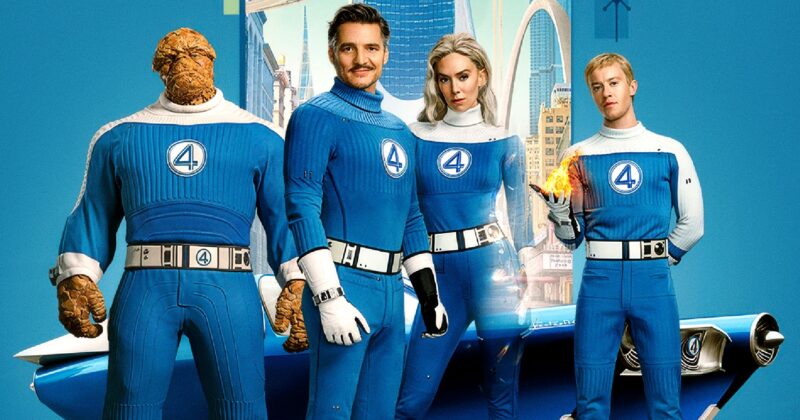
The blue-and-white era’s influence continues to ripple, especially as fans eagerly dissect every teaser of the Fantastic Four’s big screen iterations. Recent MCU interpretations, as seen in the much-anticipated First Steps, pay clear homage to this era—blending classic and modern sensibilities. The Thing now sports a full bodysuit, Mr. Fantastic switches it up with a blue turtleneck, and the new designs pay tribute to decades of comic experimentation, with white remaining a prominent color cue.
This thoughtful evolution speaks to the enduring appeal of John Byrne’s costume update, showing how comic history continues to shape the visual language of superhero cinema. The journey from accidental redesign to pop culture staple is proof that letting creative risks breathe can yield iconic results—something Marvel’s rapid-fire eras rarely allow today.
Fashion, Fandom, and the Art of Superhero Design
The saga of the Fantastic Four’s blue-and-white uniforms is more than a footnote—it’s a masterclass in the slow burn of comic book storytelling and branding. These outfits aren’t just aesthetic choices but are woven into the group’s very identity, cited fondly by fans and creators alike across adaptations. The fact that these costumes are still debated, referenced, and emulated decades later signals their continued relevance in both comics and the expanding Marvel Cinematic Universe.