The Meticulous Worldbuilding of The Boys: An Uncompromising Rule for Marvel & DC
Eric Kripke, the mastermind behind The Boys, has long established a curious tension at the heart of his universe. As the series gears up for its explosive fifth season, Kripke reaffirmed the one unwavering rule that sets this franchise apart from the rest: Marvel and DC simply don’t exist—not as films, comic book lore, or sly cultural references—within the show’s universe.
Hyper-Realism, With a Twist
When Kripke was pressed about the fine line between canon in The Boys and reality itself, his answer clarifies the show’s distinctive tone. The universe mirrors our own in every way—
corporate ladders, pop culture noise, even political chaos—except for one seismic difference: Vought International is the architect behind the only superheroes the world knows. No Marvel. No DC. Not even a tongue-in-cheek Superman mention or a knowing wink to Gotham’s cape and cowl.
The Purpose Behind the Rule: Why Erase Marvel & DC?
It would be easy for a show so heavily invested in superhero satire to turn into a barrage of references and backhanded nods to the MCU or DCU. Instead, Kripke’s approach forces The Boys to stand on its own—parodying superhero archetypes by creating warped versions, yet never directly acknowledging their source material. The allusions are deliberate; eagle-eyed fans recognize personalities and powers inspired by icons, but viewers are left to connect the dots themselves.
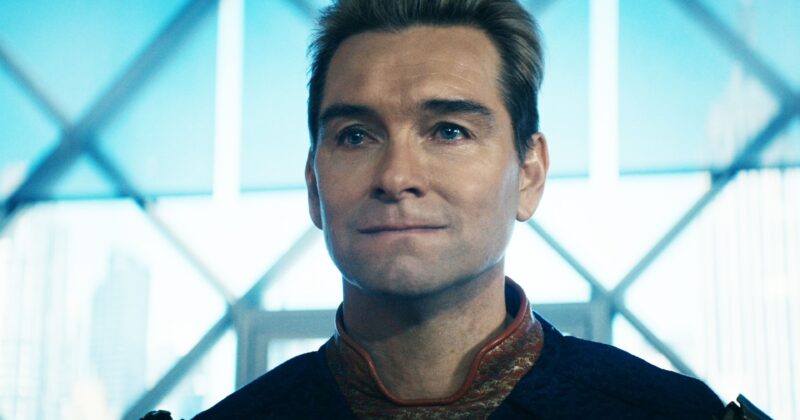
This approach has fueled countless debates and fan theories: Is Homelander’s chilling presence a brutal deconstruction of Superman? Do the antics of The Seven echo the dysfunctional dynamics of the Justice League or Avengers? The lack of overt connections keeps the satire razor-sharp and fresh, challenging the audience’s expectations at every turn.
How The Boys Ups the Stakes Compared to MCU & DCU
Unlike the meticulously interconnected Marvel Cinematic Universe or the grand mythmaking of DC’s silver screen projects, The Boys trades predictability for authentic unpredictability. Its world is brutally grounded; stakes are tangible, corporate malice is omnipresent, and fame is as much a weapon as superpowers. The characters grapple with the same viral trends and political undertones playing out in our streams and feeds—with one exception: all their heroes are born out of Vought’s manufactured purpose rather than genetic luck or cosmic destiny.
This hardline stance on worldbuilding has become part of the series’ DNA. Even as the show delivers dance numbers, meme-worthy set pieces, and references to modern culture, it scrupulously skirts the billion-dollar superhero franchises that dominate our real-world box office. Any temptation to reference a Marvel movie or a DC storyline is swiftly cut off in the writers’ room, with Kripke insisting: if it’s not Vought, it doesn’t exist.
The Allure of Parody Without Mention
For devoted fans of the genre, this unspoken barrier adds a layer of intrigue. Every new character, power, or downfall begs comparison—without being shackled to fan service or explicit pastiche. The game becomes meta: spotting which Boys supes might represent which beloved or infamous character from the comics, all while appreciating the creative freedom that comes with not having to pay homage.
As season 5 rolls out, viewers can expect even bolder explorations of power, celebrity, and corruption without the safety net of Marvel or DC’s established icons as crutches. This decision, at once limiting and liberating, is what keeps The Boys fiercely original and its satire biting as ever.
When and Where to Watch
The highly anticipated fifth season will premiere with its first three episodes released together, followed by a weekly rollout—all exclusively available on Prime Video. Stay tuned for new twists in a superhero world unlike any other, where the rules of storytelling remain as uncompromising as Homelander himself.