Netflix’s One Piece: A Lesson in Live-Action Adaptation
It’s no secret that adapting beloved manga and anime into live-action has been a daunting journey for many studios. Enter Netflix’s One Piece, a series that’s managed to captivate both lifelong fans and curious newcomers, and in doing so, has exposed a fundamental flaw in how fantasy and anime are often brought to the real world.
Why the TV Format Works for Anime
Anime, by its very nature, is crafted as long-form storytelling. Arcs stretch across dozens (sometimes hundreds) of episodes—each world-building and character-defining moment deliberately paced. This is why the decision to go with a television series, instead of a feature film, has been paramount to One Piece’s success on Netflix. Attempting to squeeze the expansive adventures of Luffy and his crew into two hours would have inevitably left much of the heart, humor, and humanity overboard.
Compare this approach to previous high-profile anime-to-movie adaptations. Dragonball Evolution, Death Note, and Alita: Battle Angel all suffered from this pitfall—an inability to condense years of layered storytelling into a digestible cinematic experience. Fans were left with flat character arcs, truncated plots, and the nagging sense that something vital had been lost in translation.
The Domino Effect Across Media Adaptations
This issue isn’t exclusive to anime. Literary classics, comic series, and even beloved TV properties have all struggled when shoehorned into a movie format. Consider the fate of Percy Jackson & the Olympians: the film adaptations failed to resonate, missing what made the books a cultural phenomenon. Fast forward to Disney+’s series reinterpretation, and suddenly, the long-form narrative is thriving, praised for its fidelity and depth.
Similarly, Netflix’s reboot of Lemony Snicket’s A Series of Unfortunate Events offered closure and cohesion that the earlier film simply couldn’t match. The lesson is clear—serialized stories demand serialized adaptations.
What Makes Netflix’s One Piece Stand Out?
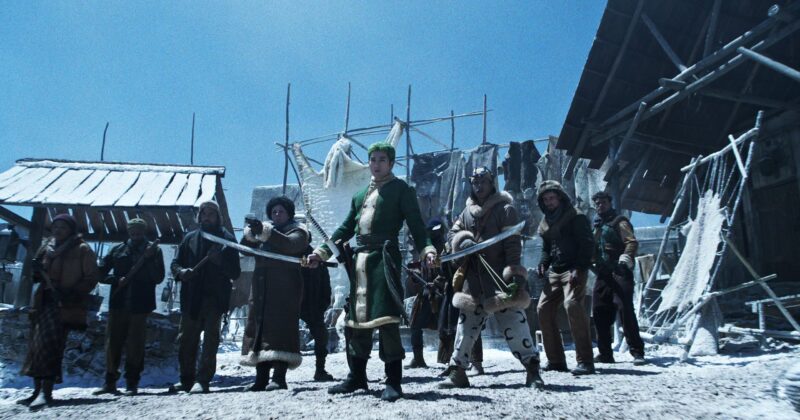
One Piece’s TV adaptation succeeds for several reasons. First, the creative team embraces the fantastical and sometimes cartoonish style of the source material. Instead of dialing back the wild powers, exaggerated characters, and grand-scale drama, they take the time to let each element breathe in its own space. Expect epic set pieces, vibrant costumes, and story arcs that unfold gradually, allowing room for both spectacle and emotional resonance.
Production values also play a major role. Led by showrunners Matt Owens and Steven Maeda, and featuring a cast that includes Iñaki Godoy as Monkey D. Luffy and Emily Rudd as Nami, the series doesn’t shy away from the challenge. The dedication to authentic world-building and thoughtful adaptation is evident in every episode.
The New Gold Standard for Adaptations
Netflix has set a template for success that other studios should take seriously. When bringing expansive, serialized universes to live-action, it’s essential to respect the pacing and depth that made them compelling in the first place. For fans of manga, comics, or fantasy fiction, this is more than nostalgia—it’s about honoring complex storytelling and delivering experiences that can build new audiences without sacrificing what longtime fans love.
As more adaptations loom on the horizon, the triumph of One Piece highlights the need for TV to TV translations—and why the future of live-action fantasy belongs not to the silver screen, but to episodic storytelling that can truly do justice to its origins.