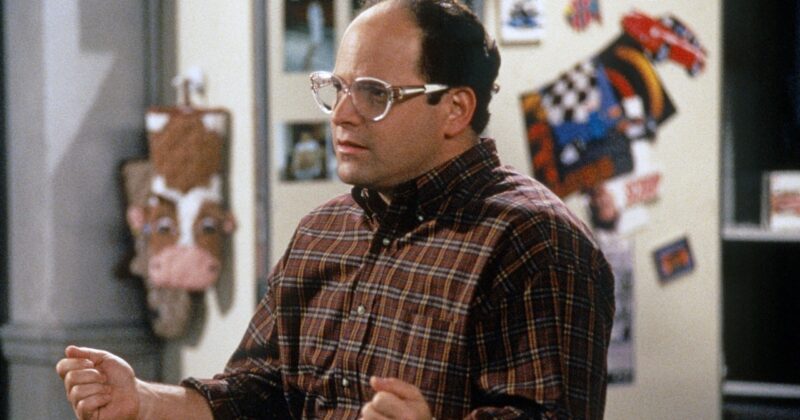
Why George Costanza’s Sharpest Line in Seinfeld Feels More Relevant Than Ever

George Costanza and the Unlikely Prophecy of «It’s Not a Lie If You Believe It»
There are few sitcom characters as indelible and complicated as George Costanza. Seinfeld’s perennial loser is the epitome of neuroses, a mix of deep insecurity and audacious cunning. But perhaps more than any other line ever delivered on Seinfeld, George’s advice to Jerry — ‘It’s not a lie if you believe it’ — has taken on an unexpectedly vital resonance in the digital era, becoming shorthand for an age obsessed with truth, perception, and self-delusion.
The Scene That Defines a Generation
The moment comes during the sixth season’s episode ‘The Beard’, where Jerry, anxious about passing a polygraph test, seeks wisdom from his friend George — the show’s notorious fabricator. At first George has nothing to offer, but as Jerry leaves, George deadpans the eight words that would echo far beyond 90s television. What was once a punchline rooted in George’s self-serving worldview has become a concept that neatly distills our post-truth reality. From political spin to viral TikTok myths, the line serves as a cultural mirror — reflecting how the truth has mutated into something alarmingly subjective.
How Seinfeld’s 90s Satire Prophesied the Digital Age
When Seinfeld first aired, casual dishonesty was the domain of dinner parties and office politics. Today, technology amplifies individual voices to a global stage. With social media, conspiracy forums, and algorithm-driven news feeds, anyone — like George — can spread their version of the story to millions, making his approach to ‘truth’ both cautionary and strangely modern. Online, a statement’s veracity is often less important than its viral potential or emotional charge. The George Costanzas of the world now possess megaphones rather than whispers, leading to new challenges for media literacy and trust.
The Enduring Complexity of George Costanza
Watching Seinfeld with 2026 eyes, George’s catalogue of misdeeds reads less like mere sitcom mischief and more as an exposé on unchecked self-interest. His resume includes inventing a fake charity, faking disabilities, fleeing danger while shoving bystanders, and even reacting with relief to his fiancée’s tragic fate — the dark comedic highs and lows that keep him fascinating and infuriating. Yet, what consistently sets George apart is his ability to convince himself — and sometimes others — that his narrative is the reality worth believing. It’s no stretch to see his philosophy reflected today, from the fictitious personas curated on social platforms to the widespread manipulation of facts for attention or advantage.
Seinfeld’s Cultural Legacy in the App, Streaming, and Meme Era
For fans revisiting Seinfeld on modern platforms, George’s arguments about the malleability of truth resonate amidst contemporary debates on misinformation and digital identity. What seemed outrageous in the ‘90s now feels like a comedic, if pointed, reflection of 21st-century anxieties. Streaming services have brought the series to new audiences, sparking fresh conversations about ethics, authenticity, and why we’re still drawn to a show that so brilliantly lampooned social pretense. In a world where anyone can shape their own legend on Instagram or in a forum thread, George’s best line isn’t just a joke — it’s a note of warning, carved into the DNA of internet culture itself.
If you’re fascinated by the way comedy exposes society’s deeper truths, keep an eye on pop culture newsletters that dissect moments like these. Insights into why characters like George endure — despite their flaws — continue to inform our understanding of entertainment, identity, and the limits of belief in a world that often confuses both.