Marvel Removes Its Most Hated Character: The End of Paul Rabin in Spider-Man Lore

Marvel’s Controversial Chapter: The End of Paul Rabin
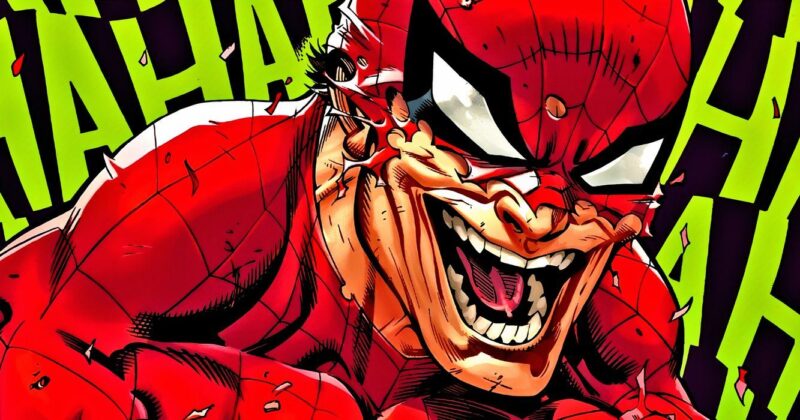
Marvel fans have finally witnessed the demise of Paul Rabin, arguably the most disliked character to enter the ever-expanding Spider-Man mythos. Paul’s brief but turbulent journey left a mark not because of his heroic feats, but because of how he disrupted the legacy romance between Peter Parker and Mary Jane Watson. His exit—delivered as a pivotal moment in the ongoing Venom ‘Death Spiral’ storyline—has sparked a rare sense of unity and celebration across Spider-Man’s passionate fan community.
The Fallout from Spider-Man and Mary Jane’s Breakup
Paul Rabin’s notoriety didn’t emerge from villainy or grand betrayal, but from the creative direction that paired him with Mary Jane following her sudden breakup from Peter Parker. This narrative twist, introduced abruptly in the comics, was met with bewilderment and backlash. Longtime readers and newcomers alike found no chemistry, substance, or meaningful development in Paul. Instead, he seemed little more than an obstacle for fans invested in Peter and MJ’s connection—one that Marvel had spent years painstakingly rebuilding.
How Marvel’s Writers Responded to Fan Discontent
What set Paul apart wasn’t a lack of importance in major arcs, but the way writers themselves reacted. In what fans perceived as a meta gesture, subsequent writers in titles such as All-New Venom and the most recent Venom series openly mocked Paul’s character and role. Even Mary Jane’s superhero transformation—a plot move almost universally loathed—was attributed to her connection with Paul. Later, the decision to dissolve their relationship in-universe felt like a direct acknowledgment of fan sentiment.
The Final Curtain: Paul’s Death in Venom’s Death Spiral
Within the ‘Death Spiral’ arc, Paul’s death comes at the hands of the villain Torment. The comic doesn’t shy away from the uncomfortable legacy he leaves; both the story’s cast and its narrative framing stress how little Paul truly mattered. His final words reinforce his narrative irrelevance, turning his death into an oddly cathartic experience for dedicated readers. Notably, Peter Parker’s muted reaction mirrors the sentiment found across the fandom: Paul’s presence was marked by detachment, both inside and outside the panels.
Is This the End? Comic Book Deaths and Marvel Tradition
As any seasoned comics reader knows, death is rarely the end. Marvel lore is abundant with resurrections and twists, from Jean Grey to Captain America. Paul’s fate remains at the mercy of future writers and editorial decisions. While his unpopularity sets him apart from most candidates for resurrection, the unpredictable nature of comic storytelling means that even a character as divisive as Paul isn’t immune to a surprise return. For now, though, his absence marks a notable reset in the Spider-Man universe, reflective of current fan culture and evolving storytelling priorities within Marvel’s creative ranks.
Spider-Man’s Enduring Legacy
Despite this saga, Spider-Man continues to be a franchise defined by its complex relationships, creative risks, and an ability to adapt to the changing tastes of its audience. The legacy of Peter Parker, Mary Jane, and the rogues’ gallery—including now-departed footnotes like Paul Rabin—remains at the core of what keeps new and old readers hooked. How the Spider-Man comics choose to move beyond this controversial chapter will certainly be the next focal point for fandom debates and speculation, as Marvel continues shaping its future stories for old faithfuls and newcomers alike.