Monarch: Legacy of Monsters Delivers Its Most Ambitious Time Travel Twist Yet

The Monsterverse Expands: How Time Travel Redefines Monarch: Legacy of Monsters
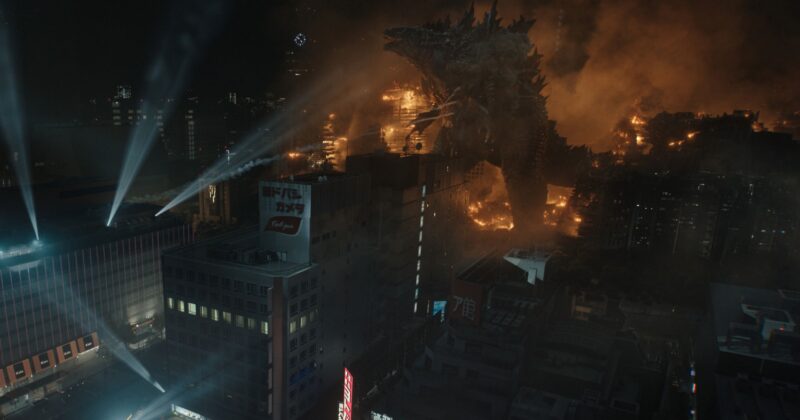
The latest episode of Monarch: Legacy of Monsters on Apple TV has catapulted the Monsterverse into uncharted storytelling territory, blending familial drama, kaiju chaos, and, most shockingly, a major time travel twist that transforms the franchise’s lore. What began as a gritty investigation into government cover-ups and ancient monsters now opens the door to quantum paradoxes and multigenerational character crossovers that feel plucked straight from classic science fiction – but with a distinctly Monsterverse flavor.
Two Lees, One Timeline: A Groundbreaking Encounter
Fans have been captivated by the dual portrayal of Lee Shaw by Kurt and Wyatt Russell, bringing to life two versions of the same character in different eras. Until now, these timelines ran parallel with no intersection—until episode 6 transcended this boundary. In a bold storytelling maneuver, young Lee Shaw establishes direct communication with his older self, thanks to a combination of dangerous rift technology and raw quantum energy. This marks the first direct encounter between two versions of the same character within the Monsterverse and signals a potential for rewriting history and consequences that could ripple across every Titan’s fate. The choice to cast a real-life father-son duo in these roles only deepens the impact, offering emotional resonance and authenticity rarely seen in genre television.
Quantum Mechanics Meet Kaiju Mythology
The show digs deeper into science fiction’s fascination with time as Dr. Suzuki and Lee Shaw attempt to harness an experimental device meant to draw out Godzilla. Their experiment, combined with residual rift energy, triggers a quantum distortion—literally allowing young Lee to break through the timeline and interact with his elder counterpart. This creative twist builds on earlier hints of time dilation within the Axis Mundi, the mysterious dimension that has explained agelessness and disappearances throughout the series. Now, the rules of the Monsterverse have changed: characters may have the power to alter the future, giving the narrative stakes reminiscent of the very best time travel tales in cinema and TV.
Connecting the Past: The Soviet Power Plant Tragedy
Flashbacks reveal significant connections between season one’s pivotal events and new developments. We witness Lee Shaw’s internal struggle, torn between loyalty to Monarch and his feelings for Keiko. The episode skillfully ties back to the incident at a Soviet power plant, explicitly referencing Keiko’s fateful disappearance—a moment that has haunted both fans and characters. This area, originally sealed off because of a kaiju-related catastrophe, hints at the global scope and real-world parallels the Monsterverse mirrors, drawing loose inspiration from actual Cold War nuclear anxieties. The technical detail in how the Titan activity leads to radiation tracking and government cover-ups adds realistic texture to the blend of sci-fi and monster mythos.
The Arrival of Isabel: New Faces and Deeper Ties
Episode 6 introduces Isabel, portrayed by Amber Midthunder (known for ‘Prey’), who arrives in Tokyo with immediate significance. Her lineage as the daughter of Walter Simmons—the infamous CEO of Apex Cybernetics previously seen in Godzilla vs. Kong—cements the Monsterverse’s growing web of interconnected characters. Isabel’s interest in collaborating with Kentaro signals shifting allegiances and the strategic ambitions still simmering beneath the show’s monstrous surface. Walter Simmons, though absent, casts a long shadow, reminding viewers of the deeply intertwined politics and corporate interests at play.
Titan X: From Threat to Tragic Creature
Perhaps the episode’s most poignant revelation is the true nature of Titan X. While Monarch originally chased the creature’s aggression as a signal of danger, cutting-edge research between Keiko and Cate uncovers that Titan X’s haunting sounds are less a battle cry and more a lamentation—a lost, frightened giant displaced from its kind. This insight puts Lee’s risky plan to summon Godzilla into a different light, highlighting the recurring Monsterverse theme: that kaiju, far from being mindless threats, are complex creatures capable of fear, loss, and confusion. Such narrative turns invite audiences to question humanity’s role as either savior or antagonist in this ongoing myth.
Behind the Scenes: Creative Minds and Star Power
Monarch: Legacy of Monsters thrives on the collaboration of seasoned showrunners and directors like Chris Black and Matt Fraction, and a talented cast that brings both gravitas and vulnerability to their roles. The combination of stylized action, intricate plotting, and emotional depth allows the series to stand apart in an overstuffed genre—placing intellectual curiosity and nuanced character work at the heart of the spectacle. For those invested in science fiction television and Monsterverse lore, this is a rare example of evolution rather than stagnation.
Modern Monsters, Modern Storytelling
Between ambitious quantum experiments, corporate intrigue, and monsters rendered with both terror and empathy, Monarch: Legacy of Monsters cements its place as a must-watch for fans of technology-driven narratives, deep continuity, and cinematic-scale television drama. Its time travel twist is more than a gimmick—it’s an invitation to explore all the unpredictable consequences and emotional reckonings that come with rewriting one’s destiny in a world where even the greatest monsters have a story to tell.