Pokémon Winds and Waves: Unexpected Transfer Limitations Stir Debate in the Community

Pokémon Winds and Waves: The Hype, The Friction, and Transfer Confusion
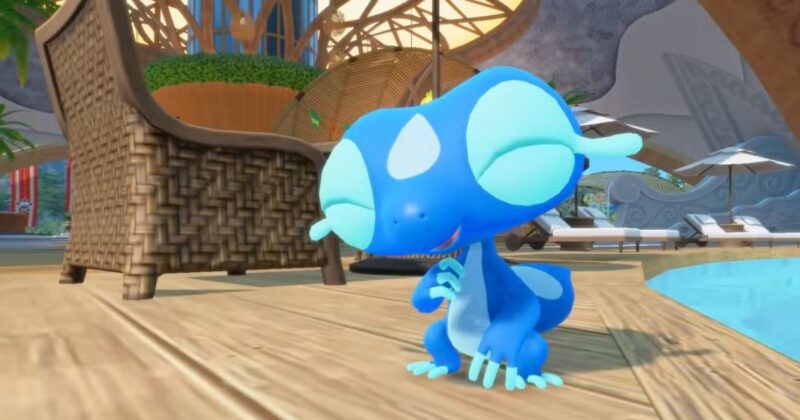
The anticipation for Pokémon Winds and Waves is peaking, but the community finds itself divided by a technical issue that reshapes trading expectations. Language compatibility, or rather its limitations, has triggered heated discussion among dedicated trainers. Specifically, the new support for Brazilian Portuguese is central to the controversy — and not for the reasons fans hoped.
Regional Language Support and Transfer Barriers
For many, a highlight of each new Pokémon game is the ability to transfer prized Pokémon across titles, forming a living archive of cherished companions. However, it has emerged that creatures caught in Brazilian Portuguese versions of Pokémon Winds and Waves will not be transferable to any previous games in the franchise. This marks the first time mainline Pokémon titles will support Brazilian Portuguese, a long-requested inclusion for fans in Brazil. Unfortunately, this progress arrives with fine print: language data incompatibility creates an invisible barrier.
This detail was first highlighted through a viral leak, igniting fast debate. The technical problem revolves around the Pokémon’s metadata—language tagging is essential for cross-game transfers. Titles prior to Winds and Waves were not coded to interact with Brazilian Portuguese entries, rendering Pokémon obtained with that setting unmovable into the past. The design suggests that unless legacy games are patched, which is usually rare for Nintendo titles, there’s no easy fix for this transfer incompatibility.
Global Implications: Not Just a Local Issue
While at first glance this seems like a Brazil-specific problem, the knock-on effects are much broader. Global trading services such as Wonder Trade and the Global Trading System (GTS) allow trainers to exchange Pokémon across continents and languages, often without knowing the origin of a particular creature. If a player in Europe or the US receives a Brazilian Portuguese Pokémon through these systems, they will also be unable to transfer it into any older games. This means even dedicated collectors and shiny hunters in other regions must remain vigilant about the language data attached to their Pokémon.
Community Reaction and Developer Challenges
As expected, many fans are frustrated. Some demand a technical solution, suggesting that the brand’s massive global appeal should justify a significant investment in backwards compatibility. Others point out that similar issues have cropped up in previous generations—language and region locks, unique event tags, and even custom ribbons have all created transfer barriers at various points in Pokémon’s history. Yet, the scale here is different; integrating a new language is fundamentally about progress and access, so the sense of limitation feels stark for a series so rooted in connection.
The practicalities of rewriting past game engines to accommodate new language metadata are substantial. Each Pokémon title stores and reads language settings in its own way, meaning a universal fix would require coordinated updates—a Herculean task given the sprawling library of Nintendo Switch and prior handheld titles. Fans have floated community projects or even third-party middleware, but as of now, the limitation stands.
Ahead of Launch: What Players Should Know
Despite the complication, the inclusion of Brazilian Portuguese is a milestone for accessibility in one of gaming’s most enduring franchises. Players planning to embark on their journey in Pokémon Winds and Waves should keep this detail firmly in mind, especially those who value transferring their teams or collecting international Pokémon via online trades. It also raises new strategic considerations: savvy trainers may choose to catch key Pokémon in English or other supported languages if they intend any backwards movement in their collection pipeline.
No specific release date for Pokémon Winds and Waves has been announced, so there remains a window for potential solutions or adaptations before launch. For fans tracking every update, staying informed about these transfer mechanics can prevent future headaches. The Pokémon Company has a long history of surprises, so the door isn’t entirely closed on a more elegant fix, but for now, language selection could define the boundaries of your Pokémon adventure more than ever before.
Behind the Curtain: The Technical Side of Pokémon Transfers
Transferring Pokémon is not just a matter of copy-pasting data. Each creature carries a digital passport filled with trainer IDs, origin stats, ribbons, language codes, and met locations. Pokémon Home and previous compatibility bridges painstakingly translate this info between generations and game engines. However, introducing new language support without retrofitting the entire system fragments the ecosystem. For those invested in cross-gen completion, these nuances matter—and may influence how they approach their in-game language options going forward.