How Peaky Blinders Redefined the Modern Historical Crime Drama

Peaky Blinders: The Crime Series That Shook Up Historical Drama
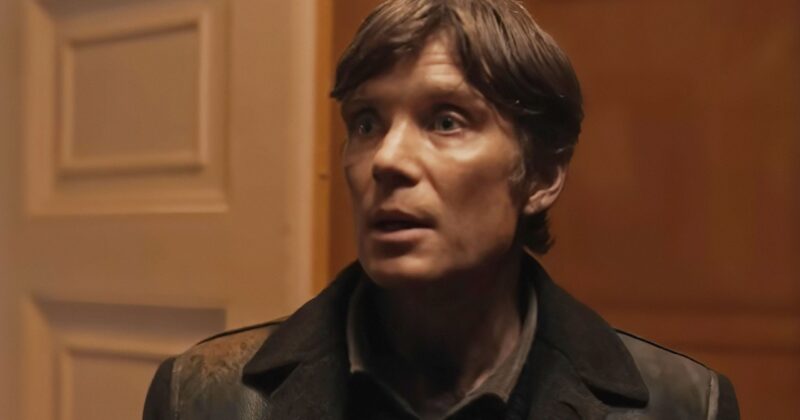
When Cillian Murphy first donned the iconic flat cap as Thomas Shelby, few could predict how deeply Peaky Blinders would impact the DNA of historical fiction on television. Set in the gritty aftermath of World War I Birmingham, the series quickly became a phenomenon, attracting not only crime drama aficionados but also those fascinated by cultural innovation. The show broke out alongside other significant titles on streaming platforms, paving its own way with a bold vision and a striking lead performance.
Breaking Rules With Anachronism and Modern Edge
What set Peaky Blinders apart is its brazen disregard for the genre’s conventional boundaries. Where earlier historical dramas would immerse viewers in orchestral scores and painstakingly period-accurate dialogue, here came a show powered by the pulsing riffs of Nick Cave and the White Stripes. The contrast of early 20th-century visuals with raw, contemporary soundtracks created an intoxicating blend that made the Shelbys feel as present as any modern antihero on streaming.
This move, orchestrated by creator and writer Steven Knight, was no accident. His earlier work demonstrated he could deliver classic historical narratives, but with Peaky Blinders, he deliberately chose to jolt the audience. These unexpected musical cues, intertwined with sharp writing and complex characters, gave the show an immediacy and urgency that other period pieces often lack.
Inspiring a Wave of Bold Historical Shows
The daring aesthetic choices in Peaky Blinders paved the way for creators to inject anachronistic elements into stories set centuries ago. Netflix’s global hit Bridgerton took this approach even further, allowing orchestral covers of modern pop songs to wash over Regency-era England, making the static grandeur of the period accessible and vibrant. Dickinson on Apple TV blended Emily Dickinson’s poetry with hip-hop sensibilities and slang, breathing new life into the tales of the past for Gen Z viewers.
Even Stephen Knight’s later projects, like Taboo and House of Guinness, embraced this flexible mode of storytelling, proving that the formula could travel and mutate beyond gangster tales in Birmingham. The playful and loose adaptations in shows such as The Great or The Buccaneers reveal just how widely the Peaky Blinders template has spread, defining the contemporary approach to the historical genre.
The Limits and Lessons of the Peaky Blinders Formula
While this style has inspired countless imitators, it’s not without risk. Knight’s grittier reinterpretations of classic literature, such as A Christmas Carol and Great Expectations, have divided viewers and critics alike. In these cases, the balance between darkness and style tipped too far, illustrating that innovation without restraint can cost a show its heart.
Yet, the essence of Peaky Blinders—a relentless push to make history feel alive, challenging, and immediate—remains a touchstone. Modern audiences, accustomed to streaming a global buffet of series, now expect their historical viewing to be as vital and fresh as contemporary fiction.
Peaky Blinders in the Streaming Age
With its multi-season arc and a planned feature-length continuation, Peaky Blinders continues to shape the taste and expectations of binge-watchers around the world. The series’ success has not only influenced other creatives but redefined how the past is presented on screen—less as a museum piece, and more as a living, breathing world, fueled by the energy of now. For anyone passionate about the intersection of apps, streaming tech, TV, and pop culture, Peaky Blinders stands as both a case study and a rallying cry for inventive storytelling in an ever-evolving digital era.