The Most Shocking Plot Twists in Final Fantasy History: 10 Iconic Moments That Changed Everything

The Art of the Plot Twist in Final Fantasy
Final Fantasy has been captivating players for decades, thanks to its unforgettable characters, rich worlds, and, most memorably, its mind-bending narrative twists. Across the mainline entries, the series has delivered plot reveals that redefine heroes, shatter villains’ mystique, and reframe entire stories. If you think you know where a game is headed, think again – Square Enix has mastered the swerve like few others in gaming.
Clive’s Sacrifice in Final Fantasy XVI
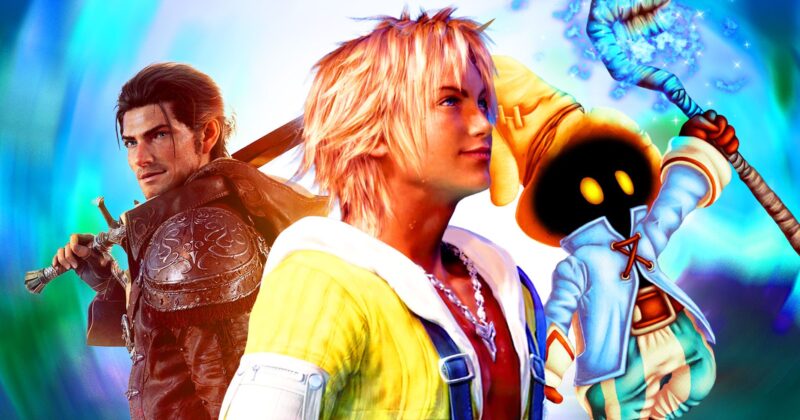
Throughout Final Fantasy XVI, subtle hints foreshadow the fate of Clive Rosfield, but the emotional punch lands hard regardless. As the chaos of world-ending threats play out, Clive’s final act sees him laying down his life to end the cycle of suffering. This isn’t just another hero’s sendoff—it’s a rare lead protagonist death in a franchise known for open-ended hope. Clive joins an exclusive club of Final Fantasy leads whose stories conclude in sacrifice, underlining XVI’s darker, mature storytelling. The game’s audacity here stands out, even in a series unafraid of tragedy.
The Orphanage Reveal in Final Fantasy VIII
For fans of Final Fantasy VIII, few twists are as head-spinning as learning that Squall and the rest of the party were all raised together by Edea, the sorceress they spend much of the game chasing. The sheer absurdity is compounded by collective amnesia—nobody recalls their shared past until the truth emerges. While FFVIII’s use of time travel and retcon-driven drama polarizes fans to this day, this twist reshapes nearly every character relationship and casts Headmaster Cid and Edea in a wholly new light. It’s a reveal that owns its narrative chaos in true Final Fantasy style.
Golbez Unmasked in Final Fantasy IV
Final Fantasy IV is often celebrated for injecting real storytelling depth into the early years of the franchise, and the reveal that mastermind villain Golbez is actually Cecil’s long-lost brother is a cornerstone of that evolution. Golbez initially presents as a stereotypical villain, but the truth about his identity adds a deeply personal edge to the climactic battles—not to mention, it set the template for complicated antagonist/protagonist relationships in later entries.
Cloud’s True Past in Final Fantasy VII
No twist in the franchise has reshaped its protagonist like the moment in Final Fantasy VII when Cloud’s memories unravel. Far from being the heroic SOLDIER he believed himself to be, Cloud is exposed as having absorbed much of his late friend Zack’s life and legacy. This revelation doesn’t just add dramatic weight—it transforms the entire journey up to that point, making Cloud more vulnerable, relatable, and iconic in RPG history. The unreliable narrator trope has rarely landed so perfectly as here.
The Twins of Final Fantasy XII
Final Fantasy XII is known for its political intrigue and layered storytelling, and nothing underscores that like the reveal that Basch and Judge Gabranth are twin brothers. The game’s early narrative leads players to believe Basch is a traitor, only to unravel layers of deception. The twin dynamic fuels much of XII’s emotional resonance, giving extra depth to its power struggles and personal stakes.
Jecht’s Transformation in Final Fantasy X
Picture the colossal, world-ending force known as Sin. Now imagine it’s actually your estranged father. That’s the reality facing Tidus in Final Fantasy X. The revelation that Jecht, whose complicated relationship with his son is a core plot driver, is Sin, redefines the quest. Suddenly, it’s not just about saving the world—it’s about facing your deepest personal demons. This shift intensifies the game’s emotional landscape, ensuring players never see Jecht or Tidus in the same light again.
Zidane and Kuja’s Origins in Final Fantasy IX
The connection between hero and villain hits a sci-fi crescendo in Final Fantasy IX. As the plot unfolds, the truth is revealed: Zidane and Kuja are not only brothers, but both were artificially created by Garland in a distant world. This revelation ties together the game’s themes of existentialism and purpose—echoing back to Vivi and the fate of the Black Mage soldiers. Few twists feel as inevitable and earned, echoing the best of classic literature within a fantasy RPG context.
Kefka’s Victory in Final Fantasy VI
Usually, RPG heroes avert disaster. Not so in Final Fantasy VI, where Kefka—the clownish villain—*wins* by destroying the world. This midway twist divides the game into two starkly different acts. As the planet lies in ruin, players regroup, facing not just global repercussions but emotional fallout. The audacity of having the villain succeed halfway through sets FFVI apart, both then and now, as a high-water mark for narrative risk-taking in video games.
The Truth About Tidus in Final Fantasy X
Just when you think you’ve wrapped your head around Final Fantasy X’s heartbreak, it lands another brutal twist: Tidus himself was never real. He’s revealed to be a dream conjured by the collective desires of the Fayth, adding a tragic layer to the blossoming romance and heroism that precedes it. It’s a revelation that makes every victory and loss sting all the more for players, especially as Tidus faces his imminent disappearance from Yuna’s world.
Final Fantasy and the Evolution of Storytelling
From intense family secrets, identity crises, cosmic betrayals, to upending genre norms, Final Fantasy’s plot twists aren’t just narrative stunts—they’re turning points that have shaped how players connect with characters and worlds. Whether you’re discovering these moments for the first time or revisiting them with fresh eyes, each twist demonstrates why Final Fantasy remains a storytelling powerhouse in gaming and pop culture.