Living in Post-Apocalyptic TV Worlds: Which Dystopian Setting Would You Actually Survive?

The Unsettling Allure of Post-Apocalyptic TV Worlds
From viral pandemics to nuclear winters, post-apocalyptic television has evolved into one of the most compelling genres on screen. These shows don’t just challenge the characters with survival; they test what it means to remain human when civilization has burnt to ashes. Below, we unpack the remarkable settings of popular post-apocalyptic series and rank them by just how livable they really are for an ordinary person—or for fans who imagine stepping into these broken landscapes.
The Last of Us: Survival Means Constant Fear
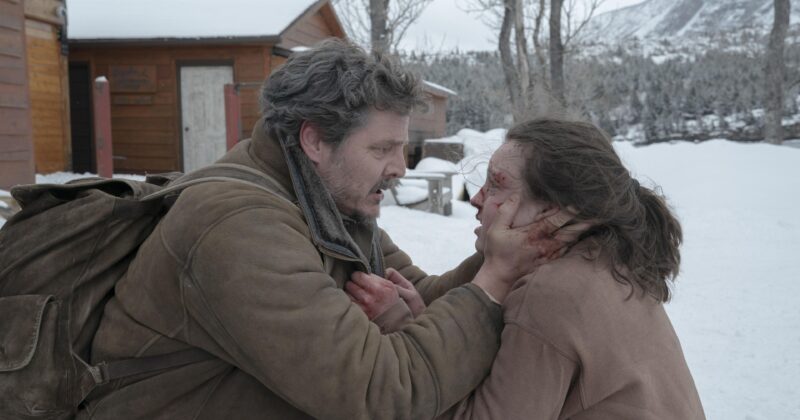
The Last of Us sets the bar for sheer brutality. After a fungal infection decimates humanity, survivors navigate a world overrun by infected creatures that make zombies feel almost quaint by comparison. Even in seemingly safe communities like Jackson, peace shatters at a moment’s notice. Threats come from both monstrous clickers and desperate humans, driving home the message that every breath could be your last. Those moments of tender normalcy—like Frank and Bill’s poignant partnership—are rare exceptions. With risk in every shadow, the dream of sanctuary is as fleeting as rain in the desert.
The Walking Dead: The Classic Zombie Gauntlet
Living in The Walking Dead universe means embracing perpetual uncertainty. While fans adore the franchise and its ever-shifting group of survivors, the relentless grind is not for the faint of heart. Safety never lasts, resources dwindle, and even fellow survivors pose as much threat as the undead ‘walkers’. Communities form and crumble, trust is a luxury, and moral boundaries blur fast. Unless you have a penchant for high-stakes heroics, life here can feel like an endurance test without finish line.
The 100: Second Chances on a Scarred Earth
In The 100, humanity’s remnants descend from a crumbling space station to see if Earth has healed after nuclear annihilation. It’s a universe that feels like a dark reinterpretation of Wall-E—but with violent grounder clans, constant radiation, and atrocities born of desperation. While there’s comfort in knowing you won’t become a zombie, the psychological and physical demands are unending. The choices faced by Clarke and her friends push the boundaries of ethics and survival, making this world relentless and divisive.
Snowpiercer: Life on the Icebound Express
Snowpiercer reimagines post-apocalypse aboard a train endlessly circling a frozen Earth. Thanks to technology, survival’s a given, but quality of life? That’s another story. The social divide is severe: the wealthy bask in comfort while others suffer deprivation in claustrophobic conditions. Class warfare isn’t hypothetical here; it fuels the narrative’s constant tension. For the lucky few at the front, there’s a twisted opulence, but for most, dignity comes by force. It’s one of the safer apocalypses physically, but psychologically it’s a powder keg.
Silo: Safe, But at What Cost?
Apple TV’s Silo traps survivors in a vast underground structure after an unknown disaster poisons the surface—or so they’re told. Life here is highly regulated. You’re secure from the elements, but daily life becomes a relentless loop of surveillance, strict rules, and censored truths. The hierarchy isn’t as rigid as Snowpiercer’s, but freedom is strictly rationed. The greatest challenge isn’t survival, it’s wrestling with a sense of agency within suffocating walls and constant uncertainty about what’s real.
Fallout: Retro-Futuristic Danger and Adventure
The world of Fallout offers a unique post-apocalyptic blend: 1950s-retro aesthetics, mutated creatures, and pockets of civilization eking out a life among radiation-bathed ruins. Inside the Vaults, you could live in relative comfort. Step outside, however, and you face unpredictable threats—ghouls, raiders, and monsters shaped by nuclear disaster. Among the ruins, you’ll find moments of camaraderie and a robust sense of community (plus the thrill of discovering old-world tech). The dangers are real, but so are the odd flashes of hope and the quirky spirit that sets Fallout apart from more dour apocalypses.
Sweet Tooth: Quiet Perils and Hopeful Hearts
Sweet Tooth imagines a world rebuilt from a viral catastrophe with the rise of human-animal hybrid children. Humanity’s greatest threat is its own paranoia: hybrids are feared, hunted, and misunderstood. Yet, compared to flesh-eating monsters or radioactive hellscapes, everyday life can be relatively gentle—even if isolation and mistrust run deep. What defines this post-apocalypse is not constant violence but the enduring search for kindness and connection, especially as young Gus discovers there might still be a place for innocence and hope in a shattered world.
Station Eleven: Rebuilding Through Art and Memory
Station Eleven takes us to a world where a flu pandemic has erased civilization’s familiar contours. But instead of focusing on brutality, the show explores healing, memory, and the human longing for meaning. Small communities emerge, shaped by art, roaming theater troupes, and the collective work of remembering what was lost. Scarcity is real, and danger lurks—but here, the aftermath of apocalypse births a gentle resilience, finding solace in music, performance, and the bonds that make us more than mere survivors.
Living the Genre: Fantasy, Risks, and Real Lessons
Whether you dream of exploring the neon chaos of Fallout’s wastelands or seeking sanctuary within Silo’s concrete depths, post-apocalyptic TV series dare us to question where hope truly lies after the world breaks. These worlds are harsh, strange, and sometimes, against all odds, beautiful. They reveal that if survival is guaranteed, thriving requires something much greater: courage in the face of fear, and a willingness to carve meaning from chaos. Each story leaves us asking not just if we could survive—but if we could truly live.