Fire Force’s Explosive Finale: Shinra, Hope, and the End of the World
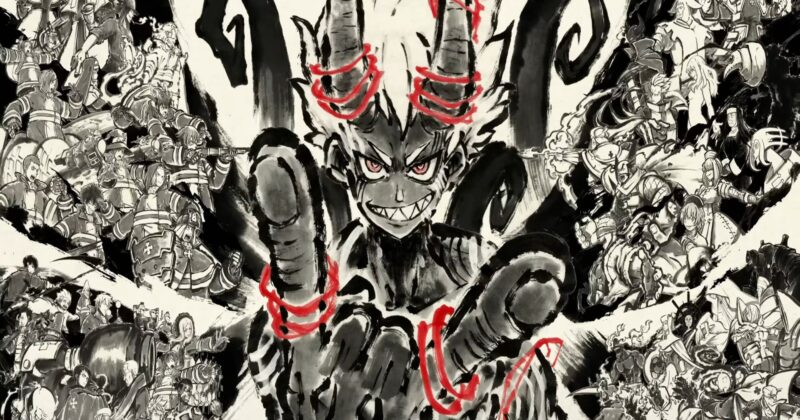
Fire Force did something rare in the shonen anime landscape: it stuck the landing with an ending that was as grandiose as it was deeply meaningful. What began years ago as a wild firefighting adventure with infernals and suspicious religious orders became a cosmic-level tale about despair, hope, and the very nature of humanity itself. The stakes in Fire Force’s final arc rose to a near-mythical scale, blending emotional catharsis with some of the best action the genre has to offer.
The Road to Adolla: Despair Versus Hope
The series’ last battles set the stage for a conflict not just of strength, but of philosophy. After Arthur vanquished Dragon in his own dazzling fashion and Shinra’s comrades overcame their doppelgänger foes, the planet teetered on the brink. The true antagonist, Haumea, was elevated by the power of the Evangelist—a being born from the collective death wish and despair of humanity. In a dark twist, Shinra’s very fight to preserve life was portrayed as villainous, while Haumea wielded the tragic power of fallen Pillars like Iris, Inca, Sumire, and Amaterasu, making herself nearly untouchable.
This battle’s emotional core arrived when Haumea, using her powers, forced Shinra to witness the simulated death of Captain Obi. Broken by rage and sorrow, Shinra nearly succumbed to the same despair that powered his enemies, reigniting the Great Cataclysm and threatening the world with obliteration. It was only a timely intervention from Arthur, attacking Shinra from orbit, that snapped him back to his senses—reminding viewers how much these relationships and ideals matter, even in stories filled with cosmic battles and supernatural powers.
Fusion, Family, and the Birth of Shinra Bansho Man
As Shinra stood on the precipice of destruction, the series revealed one last twist: Shinra’s mother, Mari, was in fact the Evangelist’s doppelgänger. In one of Fire Force’s most touching moments, Mari reunited with her sons, and together with Sho, they mirrored the central theme—the unity of hope, family, and willpower. Through the technique of Soul Resonance, they fused into Shinra Bansho Man, a divine being whose abilities reshaped reality itself.
Unlike conventional endings where everything resets, Shinra’s final act wasn’t about restoring the old order. Instead, he altered the very texture of the universe, making the world cartoonish and lowering the existential value of life and death. This rewriting of reality lessened the hold of despair over humankind. The finale walked a fine line between absurdity and profundity, with meta-commentary on narrative conventions and the search for meaning in endings themselves.
Humanity Forged Anew, Pyrokinesis Erased
With the ultimate foe defeated and the Evangelist’s remnants erased, Shinra did not simply restart life as usual. Instead, he entrusted a newly created God with watching over humanity, whose first job was eliminating pyrokinesis and spontaneous human combustion—core phenomena that had driven Fire Force’s drama from the very first episode. This act not only brought closure to countless plot threads; it effectively closed the book on the world viewers had come to know.
The Fire Force Legacy: Seeding the World of Soul Eater
Years pass, and Shinra forms a new organization dedicated to defending humanity from the world’s freshly bizarre threats, aided by his trusted friends. The story doesn’t stop there. Decades later, his son joins the same organization, and the curtain is pulled back: Fire Force is a stealth prequel to Soul Eater. Fans are treated to glimpses of iconic Soul Eater characters—Lord Death, Kid, Black Star, Maka—now fully tied into the legacy and themes established by Fire Force.
This revelation was more than fanservice. It created a meta-narrative bridge between two beloved franchises, each exploring darkness, hope, and the journey to self-acceptance in ways that complement each other. By tying the Fire Force universe directly into the origin of Soul Eater’s world, the series’ creator made the finale resonate far beyond its original audience.
Why Fire Force’s Ending Stands Out in the Modern Era
Anime endings are often scrutinized for leaving plot holes or rushing resolutions, but Fire Force defied this trend. Its final season balanced bombastic spectacle with meticulously paced closure. Every major character arc was respected and resolved. Perhaps most importantly, the narrative embraced the idea that happy endings are not just permissible, but can be exhilarating and deeply satisfying when earned. Meta references to manga and anime storytelling conventions raised the stakes and anchored the finale in a broader conversation about art, meaning, and the power of storytelling to reshape despair into hope. For longtime fans, and anyone who believes in the redemptive promise of anime, Fire Force delivered a conclusion that feels truly rare and unforgettable.