The Most Iconic Action Sequences of Each Decade: 100 Years of Adrenaline on Screen

A Journey Through a Century of Action Mastery
Action cinema is a universal language. While drama and comedy can sometimes get lost in translation, a jaw-dropping car chase or a perfectly executed punch sends waves of adrenaline to audiences everywhere, no subtitles needed. The relentless evolution of action movies has given us moments that not only push technical boundaries but stick with us, influencing everything from today’s blockbuster hits to the DNA of modern streaming series.
The 1920s: Buster Keaton Rewrites the Rules with The General
Modern audiences astonished by Tom Cruise’s stunts in Mission: Impossible owe it to themselves to travel back to the silent era. Buster Keaton’s fearless physical comedy in The General set the tone for everything that followed. The heart-stopping scene where Keaton clears railway ties while running in front of a moving locomotive remains a marvel — the kind of sequence where, a century later, viewers still wonder how any performer pulled it off and lived to tell the tale.
The 1930s: Survival and Suspense in Stagecoach
John Ford’s Stagecoach did more than make John Wayne a star; it defined an entire era of Westerns. The signature Apache attack on the titular stagecoach, featuring real stuntwork seamlessly blended with tight editing, feels raw and immediate even now. Ford’s use of tension and group dynamics gave the setpiece a pulse rarely seen among its contemporaries, laying the groundwork for ensemble-centered action narratives for decades to come.
The 1940s: The Raw Viscera of The Spoilers
Blockbusters today thrive on relentless action beats, but Hollywood’s golden age was more sparing. That’s what made the climactic barroom brawl in The Spoilers so impactful. John Wayne and Randolph Scott slug it out in a melee that, while over-the-top by today’s standards, still lands with startling intensity. Unapologetically extended and more brutal than most films of its time, this sequence is a testament to how emotional investment can turn a simple fight into cinematic gold.
The 1950s: Pure Spectacle with Ben-Hur’s Chariot Race
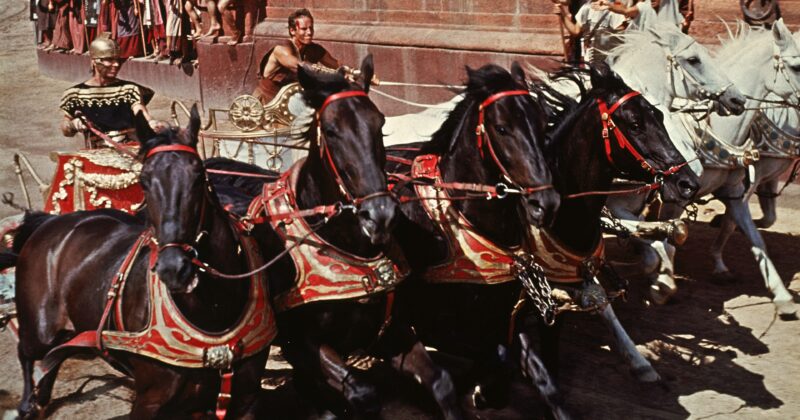
No CGI. No digital trickery. Just 10 minutes of heart-stopping practical effects and muscle-powered mayhem. The chariot race in Ben-Hur remains the benchmark for practical action. Shot over a year with a vast team, this sequence was so monumental in scope that it required its own million-dollar budget. Watching Charlton Heston barely keep control of his horses—with every jolt and near-miss captured in pristine detail—still leaves modern viewers breathless.
The 1960s: Operatic Mayhem in The Wild Bunch
The depiction of violence in American cinema reached a new threshold with Sam Peckinpah’s The Wild Bunch. Blood squibs, slow-motion carnage, and a fearless embrace of moral ambiguity turned the film’s final shootout into an unforgettable ballet of bullets. The titular group’s decision to go down fighting, guns blazing, crystallized the genre’s shift toward realism and grit—a tradition that would define action for generations.
The 1970s: Unscripted Danger in The French Connection
Few cinematic chases rival the anxiety-inducing frenzy of The French Connection. Director William Friedkin, determined to one-up even Bullitt, staged a chase so dangerous that many accidents on set were genuine. Hackman’s pursuit of an out-of-control elevated train through a city teeming with real civilians heightened every near-collision. The result: a sequence revered by filmmakers and adrenaline junkies alike, cited repeatedly in masterclasses on action editing.
The 1980s: The Relentless Thrills of Raiders of the Lost Ark
Steven Spielberg set out to create the perfect adventure, and with Raiders of the Lost Ark hit a peak rarely matched. Indy’s race through the temple—full of poison darts, ancient traps, and of course, that iconic rolling boulder—remains one of the most imitated and beloved opening action scenes ever shot. The sequence’s practical effects and choreography still outshine the majority of modern digital spectacle.
The 1990s: Bullet-Time Brilliance in The Matrix
The Matrix irrevocably altered the future of action cinema. The infamous lobby shootout—where Neo and Trinity defy gravity, literally tearing apart pillars as they move with otherworldly grace—blends philosophy, anime aesthetics, and influence from Hong Kong cinema into a seamless visual feast. The scene not only highlighted Keanu Reeves’ commitment to the role but introduced bullet time to the global lexicon, signaling a new digital era for action.
The 2000s: Unrestrained Chaos in Kill Bill: Vol. 1
Quentin Tarantino’s foray into martial arts with Kill Bill: Vol. 1 was his action filmmaking graduation. The House of Blue Leaves sequence is a relentless, blood-soaked ballet that pays homage to samurai classics and Hong Kong cinema, with Uma Thurman’s Bride dispatching the Crazy 88 with both ferocity and grace. Every frame of chaos is meticulously choreographed, setting a new standard for Western directors tackling high-intensity, melee-driven setpieces.
Legacy and Inspiration
The artistry, risk, and innovation of these iconic sequences continue to shape everything from streaming originals to the latest superhero sagas. Each decade’s entry stands as a monument to the creative visionaries who dared to ask not just how an audience could be thrilled, but how they could be transported into the very heart of action itself.