TV Shows Haunted by Their Own Popularity: When Success Becomes a Curse
In the ever-evolving world of television, even the brightest stars can find themselves dimmed by their own massive success. Some series that kick off with irresistible hooks, defined characters, and fresh concepts end up losing the very spark that made them hit phenomena. Whether it’s storyline fatigue, network demands, or the pressure to escalate for fans, the formula for ‘too much of a good thing’ often leads shows down a path from classics to cautionary tales.
When the New Becomes Excess: The «Riverdale» Effect
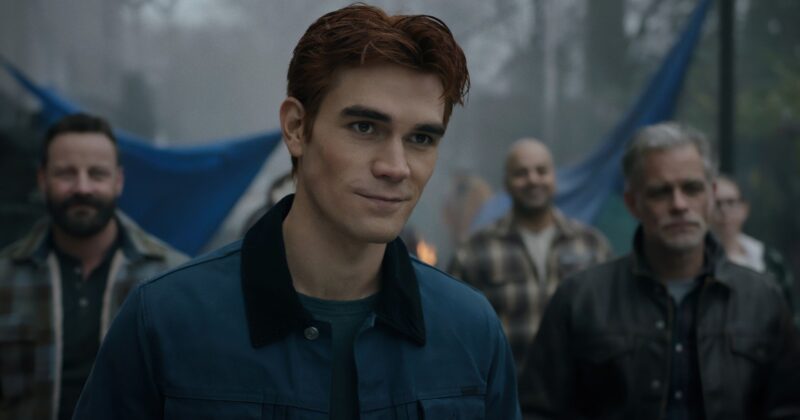
Riverdale burst onto the screen, drawing in fans with its dark, revitalized take on the iconic Archie Comics universe. The show’s first season was packed with a tightly-woven mystery and genuine teen drama. However, with rising popularity came pressure to outdo itself. Subsequent seasons veered into convoluted storylines, outrageous character arcs, and sensationalism. What had been sharp and addictive made way for chaos; the sincere foundations of its early episodes were replaced by unmoored absurdity. Riverdale’s arc is a classic example of how legacy IPs can lose their essence in the scramble for attention.
«Heroes» and The Curse of Fast-Track Storytelling
Originally lauded for its grounded, character-driven approach to superpowers, Heroes quickly unraveled. The infamous writers’ strike led to incoherent plot pacing and introduced more characters and plotlines than could be managed. Attempts to recapture the magic with spinoffs and reboots fell flat, emphasizing how easily a promising, serialized drama can be derailed when its expansion outpaces its core strengths. The decline was clear in ratings and fan sentiment, as viewers were left with more questions than answers.
The Sitcom Stumble: «The Big Bang Theory»
It’s rare for a sitcom to achieve such immense mainstream appeal as The Big Bang Theory. Over eleven seasons, the dynamic between quirky scientists and their neighbor Penny delivered rivers of laugh tracks and cultural references. Yet, as the series stretched on, character growth stalled and gags became repetitive. The show’s handling of key characters, particularly Penny, was critiqued for inconsistency and betraying established development. The comedic heart of the series gave way to predictable beats, showing how even juggernauts can get trapped in their own formula.
The Burden of Longevity: «The Simpsons»
No discussion about success fatigue is complete without The Simpsons. Its early seasons are masterclasses in animated satire, referenced endlessly across pop culture. However, as the longest-running primetime series, it has entered a period where innovation is overshadowed by quantity. Fans and critics alike have pointed to a significant drop in episode quality after the initial golden years. Besides, unresolved storylines and mishandled controversies (such as the ongoing debate over Apu’s characterization) have increasingly left fans nostalgic for the wit and relevance the show once had.
Zombies Without a Core: «The Walking Dead»
The Walking Dead rode high on the compelling tension of survival among the undead, with deeply invested character arcs. As time went on, key characters were written off unpredictably, and dramatic setups turned into unsatisfying cliffhangers. The show lost sight of what once set it apart—meaningful stakes and tight storytelling—in favor of shock value. Fans would debate which twist marked the beginning of narrative fatigue, but a consensus remains: when drama gets bigger than characters, even the most gripping apocalypse can feel empty.
How a Legendary Sitcom Undermined its Legacy: «How I Met Your Mother»
How I Met Your Mother built its momentum on a clever central mystery and a loveable, dysfunctional friend group. Across nine seasons, viewers speculated about the identity of ‘the Mother’—only to be delivered a finale that seemed to dismiss seasons of careful development. The divisive last episode, which crammed seismic shifts into a rushed conclusion, forever altered how the show is remembered, sparking debate about whether the journey was worth its final twist.
Falling from Grace: The «Dexter» Story
Dexter redefined the anti-hero, balancing forensic intrigue with dark, serial-killer impulses. Its early run was lauded for tight writing and bold character work. But after an electric start, later seasons grew inconsistent. Sudden departures, questionable narrative turns, and a protagonist making increasingly inexplicable choices led to growing disillusionment. While attempts at course-correction temporarily revived interest, the damage was already done—highlighting how high-concept drama can falter under the weight of keeping things fresh.
The Cost of Never Saying Goodbye: «Supernatural»
Few genre series have been as resilient as Supernatural, driven by a passionate fanbase and the undeniable chemistry of its leads. Yet, with each renewal, the show faced the challenge of one-upping itself. Over the years, its compelling mythology and personal stakes gave way to plotlines that felt increasingly cyclical. When long-form TV shows fear ending on a high note, the result is often creative stagnation—a lesson for all content creators in knowing when to bow out gracefully.
These shows remain etched in pop culture not only for what they achieved, but for the lessons they offer about creative sustainability, fan expectations, and the inherent risks of chasing perpetual success in the digital era. Their legacies are a testament to both triumph—and warning—of outgrowing the very formulas that once made them must-watch TV.