The Greatest Horror Movies That Gave Birth to Iconic Franchises

The Legacy of Horror: How Standalone Nightmares Sparked Cinematic Empires
Throughout film history, few genres have managed to capture the audience’s imagination—and their nerves—like horror. While today’s studios often dream in terms of potential franchises and cinematic universes, many of the greatest horror epics started as bold, singular visions with zero intention of spawning sequels, spinoffs, or crossovers. Ironically, it’s that focus on a powerful, self-contained story that ignited some of the most beloved sagas in pop culture.
Friday the 13th: From Campfire Tale to Multi-Generational Nightmare
When Friday the 13th arrived, it rode the trend of holiday-themed slashers, following in the bloody footsteps of predecessors like Halloween and Black Christmas. Yet, it stood apart not simply for its grisly creativity, but for its twist: the original massacre wasn’t committed by Jason, but by his grief-stricken mother, Pamela Voorhees. Only later did the infamous hockey-masked Jason rise to center stage, evolving the franchise into a pop culture juggernaut. The transformation of the killer’s identity is a perfect example of how organic storytelling can morph a contained film into a long-lasting legacy.
The Conjuring: A Modern Masterpiece That Redefined Supernatural Horror
James Wan achieved what few modern directors have managed: he built a connected universe starting with a single haunted farmhouse. The Conjuring didn’t just unleash sequels, but set off a chain reaction—leading to hit films focused on Annabelle and The Nun, all interwoven through the cases of Ed and Lorraine Warren. Leveraging chilling real-life inspiration, clever casting, and visual finesse, Wan’s approach proved that atmospheric dread and carefully plotted lore trump cheap jumpscares every time.
Scream: Meta Terror That Changed the Rules
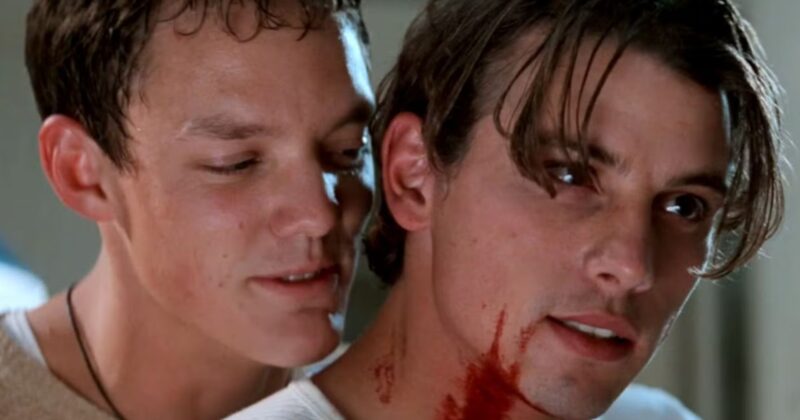
The slasher genre had grown increasingly predictable until Wes Craven’s Scream arrived, offering a fresh, self-aware spin. Characters didn’t just run from masked killers—they knew the horror movie playbook, breaking the fourth wall and inviting audiences to be part of the bloody game. This blending of satire and suspense made Scream both a love letter to past classics and the trigger for a new era of genre-defining horror sequels that continue to shape Hollywood sensibilities.
The Texas Chain Saw Massacre: Raw Fear Unleashed
Never intended as a franchise, The Texas Chain Saw Massacre was a relentless, guerrilla-style descent into madness. Tobe Hooper’s original vision used gritty visuals and near-documentary realism to present the unthinkable: a family of cannibals lurking in rural Texas. The breakout character, Leatherface, became an icon not for witty dialogue but for visceral terror and unpredictability. Later entries expanded (and sometimes warped) the mythology, but the inaugural film’s raw impact is what keeps this series terrifyingly influential.
The Domino Effect: From Singular Scares to Expanding Universes
Each of these films succeeded because they delivered authentic scares and rich, atmospheric storytelling instead of formulaic franchise-building. The evolution into major franchises happened almost organically—driven by fan passion, memorable monsters, and a willingness to break genre conventions. Today, the modern horror landscape continues to search for the next phenomenon, but history suggests that it will be the boldest, bravest visions—not the meticulously engineered studios’ plans—that inspire the stories we most want to revisit, sequel after sequel.