Why a Fourth Back to the Future Movie Will Never Happen: Insights from the Creators

The Timeless Influence of Back to the Future
Back to the Future stands as one of cinema’s most cherished trilogies, captivating every generation and leaving a cultural imprint unmatched by most sci-fi franchises. The adventures of Marty McFly and Doc Brown have not only inspired future storytellers but also kept fans endlessly curious about the possibility of traveling through time on the silver screen. Despite the box office and critical success that each installment brought — with global earnings and glowing reviews — the series remains steadfastly a trilogy. Fans’ craving for a fourth film is met with a resolute response from its original creators.
How the Musical Keeps the Legacy Alive
While whispers of a sequel persist, the official continuation of the franchise arrived not in theaters, but on stage. The brainchild of a casual conversation after attending Mel Brooks’ The Producers on Broadway, Back to the Future: The Musical offers a fresh take. Written by Bob Gale and directed in spirit by original filmmaker Robert Zemeckis, the stage adaptation has become a surprise sensation. Garnering a remarkable 92% rating from the London Theatre and securing an Olivier Award, the musical is praised by both critics and lifelong fans. Instead of forcing the original story into modern cinematic trends, this theatrical experience recaptures the wonder of the first film, transforming it for a live audience and sidestepping the pitfalls of unnecessary sequels.
Why Part IV Is Off the Table — Direct from Bob Gale
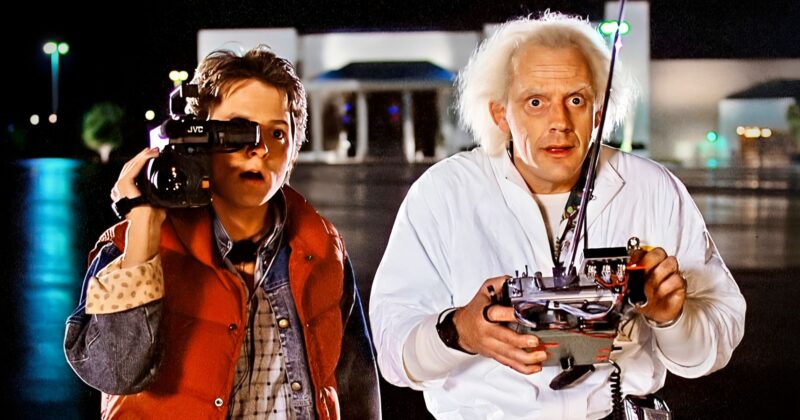
Fans, fueled by nostalgia and the indelible chemistry between Michael J. Fox and Christopher Lloyd, continue to ask why a fourth film has never materialized. Co-creator Bob Gale addresses these questions with transparency. From the moment Back to the Future Part III wrapped, Gale and Zemeckis were clear: the story was complete. The emotional weight of Michael J. Fox’s Parkinson’s diagnosis only solidified this stance. As Gale points out bluntly, the thought of a continuation without Fox at its heart feels fundamentally wrong. The risk of tarnishing the franchise’s spotless legacy looms large — one need only look at dubious sequels in other beloved series to understand the danger of going back to a well that’s already run dry.
Ownership and Creative Control
A vital factor in holding back a fourth movie is the unwavering control that Gale and Zemeckis maintain over the franchise rights. Studios have approached, hoping to cash in on nostalgia, but the creators have consistently refused. Their motivation isn’t just about preserving history — it’s about artistic integrity and respect for the story’s natural conclusion. Even with the fascinating multiverse trend sweeping Hollywood, the originality and character-driven heart of Back to the Future mean it stands apart from today’s constant reboots and sequels.
The Franchise’s Place in Pop Culture
35 years since its debut, Back to the Future retains a near-mythical status in pop culture. Marty and Doc’s adventures remain a reference point for everything from time travel narratives to family-friendly blockbusters. Its high Rotten Tomatoes score and continued relevance is a testament to thoughtful storytelling and the power of meaningful closure. As both a product of its era and a timeless tale, it reminds future franchises that saying ‘the end’ can be a radical act — and sometimes, the bravest thing a creator can do is leave their masterpiece untouched.