10 Seinfeld Lines That Are More Hilarious Than Ever

The Timeless Genius of Seinfeld’s Comedy Lines
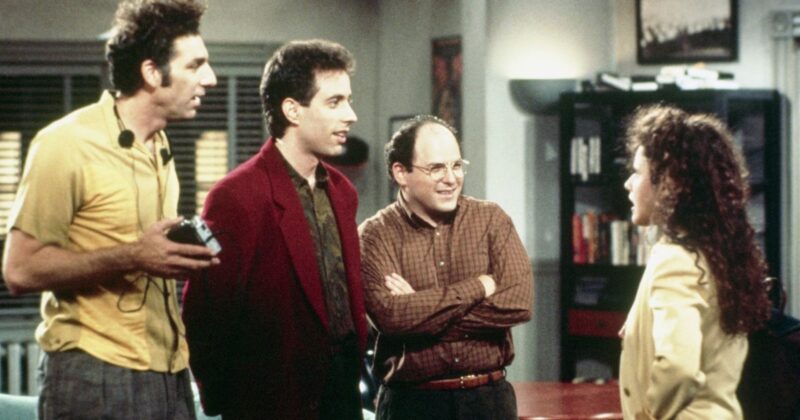
When it comes to sitcoms that truly stand the test of time, Seinfeld remains unbeatable. While other shows from the 90s risk feeling dated, Seinfeld’s sharp observations about the awkward nuances of everyday life now seem even more poignant—and funnier—in the present era.
‘Hello, Newman’
Few phrases in TV history capture contempt quite as efficiently as Jerry’s infamous greeting to his nemesis: ‘Hello, Newman’. Despite being used just 15 times, this line’s brilliance comes from its delivery. The barely contained disdain in Jerry Seinfeld’s voice has inspired a legion of imitators in pop culture, echoing through fan events and even referenced in shows like South Park, proving the inherent comedic value of perfectly executed repetition.
‘Serenity Now!’
Frank Costanza’s attempt at anger management with the mantra ‘Serenity now!’ couldn’t be less effective—or more hilarious—especially in a world obsessed with self-care and mindfulness. Watching Frank shout his supposed calming phrase in utter frustration turns the idea of personal mantras into a masterclass on sitcom irony. Even as conversations about mental health and meditation apps have become mainstream, Frank’s approach remains deliciously out of place—and all the funnier for it.
‘Who Is This?’
This running gag never grows old: George finds himself in a desperate situation, calls Jerry for help, and instead of offering comfort, Jerry greets him with a casual, ‘Who is this?’. It’s an in-joke for every comedian or friend group that thrives on not taking anything too seriously. The simplicity of the bit, and its unwavering commitment to the joke above all else, resonates even more in the era of caller ID and personalized ringtones.
‘I Can’t Be With Someone Like Me … I Hate Myself!’
In a moment that cuts deeper than the usual banter, Jerry’s realization about his relationship with Jeannie Steinman is both hilarious and uncomfortably truthful. This self-aware punchline lands harder now as self-reflection and talk of ‘self-love’ culture permeate social media. Jerry’s exaggerated self-loathing is relatable in the most awkwardly honest way.
‘Fake! Fake! Fake! Fake!’
When Elaine finally reveals to Jerry that she faked all her orgasms—‘Fake! Fake! Fake! Fake!’—the series steps boldly into territory unexplored by most network sitcoms at the time. Today, this episode feels ahead of its time for its fearless comedic take on sexual authenticity, long before open conversations about intimacy were normalized in mainstream shows.
‘A Festivus for the Rest of Us!’
Frank Costanza’s invention of Festivus—his answer to the excesses of commercial Christmas—has achieved cult status. The sheer absurdity of inventing a holiday, from the aluminum pole to the ‘Airing of Grievances,’ gave the world one of television’s most memorable and widely celebrated fictional traditions. Today, Festivus parodies corporate holiday fatigue better than any contemporary meme could hope to do.
‘The Mail Never Stops …’
Newman’s meltdown about the relentless onslaught of mail captures the perfect blend of workplace horror and existential comedy. Wayne Knight’s unhinged delivery gives this moment a cathartic edge for anyone who’s felt overwhelmed by the torrent of never-ending notifications and emails in the digital age. The phrase has even found new relevance as a meme for those spiritually crushed by modern workloads.
‘Worlds Are Colliding!’
George Costanza’s ‘worlds theory’—the idea that our social lives are made up of carefully separated circles that must never mix—has only grown more true. In an era of group chats, overlapping social media circles, and work-life blending, the fear of contaminating one realm of friends with another is more relatable than ever. The chaos and humor that ensue when these ‘worlds’ collide is a now-universal anxiety, perfectly encapsulated in George’s comic distress.
‘Not That There’s Anything Wrong with That’
Throughout the show, Jerry and friends are mistaken for a gay couple, prompting the legendary disclaimer: ‘Not that there’s anything wrong with that.’ While ‘gay panic’ humor elsewhere has aged poorly, Seinfeld’s self-aware repetition turned this phrase into a sign of progressiveness for its time. It still reads as unexpectedly savvy, mocking prejudice rather than playing into it, and has become a catchphrase for inclusivity in TV history.
Each of these lines remains not just iconic, but more relevant and funnier as the years go by, showing just how ahead of the curve Seinfeld was—and continues to be—in dissecting human behavior with razor-sharp humor.