One Piece Elbaph Arc: Why the New Anime Pacing Misses the Mark

The Elbaph Arc Brings Big Changes — But Not All Are Improvements
The debut of the Elbaph arc marks a significant evolution for the One Piece anime. Fans have celebrated the arrival of higher production values, rewarding the loyalty of generations who wanted to see Eiichiro Oda’s iconic manga adapted with the respect it deserves. The seasonal approach, which replaced the relentless year-round schedule, promised to finally resolve longstanding pacing issues that plagued earlier arcs like Dressrosa and Whole Cake Island.
Pacing Potential — And Its Pitfalls
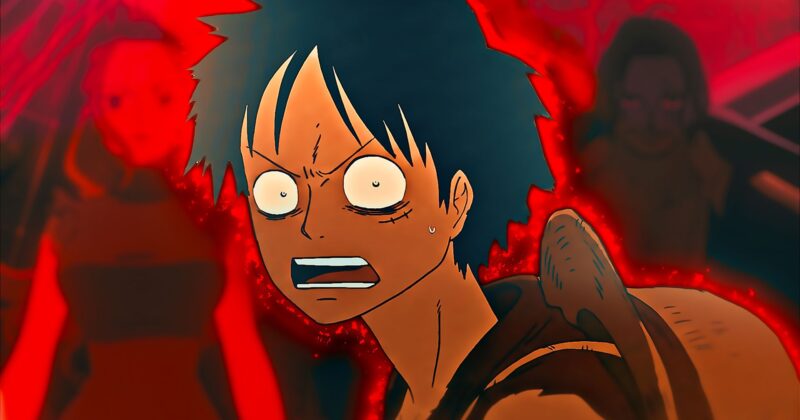
Despite those improvements, cracks are already showing beneath the glossy new surface. Episode 1156, a much-anticipated return for Luffy and the crew, avoided the notorious one-chapter-per-episode drag thanks to cleverly integrated new scenes exclusive to the anime. These anime-original moments — often called filler but here serving to enhance rather than distract — added context and flavor, and fans responded positively to improved animation and revamped sound design.
Yet, this victory is bittersweet. The current stretch of manga chapters isn’t dense enough to provide twenty minutes of engaging content per episode. Unlike earlier sagas bursting with world-building and rapid-fire plot twists, these chapters are more measured, mostly setting the stage for big payoffs. The result: Toei is forced to rely on creative but ultimately artificial padding. The danger is clear: unless significant narrative material is introduced, even seasonal pacing can’t save episodes from feeling stretched thin.
Why 1:1 Adaptation is a Double-Edged Sword
Adapting manga chapter-by-chapter — a longstanding dream for many purists — now reveals its limitations. While Episode 1156 blended the events of chapter 1125 with original content, future episodes are expected to struggle with the constraint of limited source material. The Elbaph arc isn’t close to peak action or emotional payoff, making it especially susceptible to slowdowns, a concern evident from the earliest signs in this new format.
It’s important to recognize that not all filler is created equal. Extra scenes that expand character interactions or reinforce world lore can add value, but too much obvious stalling disrupts immersion. The anime’s new approach will only thrive if Toei leverages these moments for meaningful storytelling rather than time-filling spectacle. For instance, the addition of subtle moments between the Straw Hat crew or exploration of Elbaph customs could subtly enrich the narrative without derailing momentum.
Production Upgrades: Animation, Sound, and Immersion
Where the Elbaph arc shines is in visual and audio upgrades. Animation is noticeably more fluid, with warm palettes and lively motion capturing the scale of the giant homeland. Enhanced sound effects and new music cues breathe life into major set pieces and quieter moments alike. These upgrades create a more cinematic experience, making even slower episodes more enjoyable to watch, especially for fans who remember the static nature of earlier arcs.
The Balance of Tone and Trivia
The Elbaph arc also offers plenty of classic One Piece trivia that delights longtime viewers: Luffy’s Gum-Gum Fruit powers, the origin of his iconic straw hat gifted by Shanks, Sanji’s culinary journey from The Baratie, Zoro’s legendary three-sword style, and Nami’s dream to map the world. Even the Netflix live-action cast — with Iñaki Godoy’s Luffy — has added a new layer of fan conversation, connecting anime and western audiences.
What’s Next for the Elbaph Arc?
The move to a seasonal schedule still signals a mostly positive future for One Piece, promising tighter arcs and better-crafted episodes. However, the Elbaph arc stands at a crossroads: to maintain momentum, it must find ways to tell a rich story even in episodes where source material is thin. The challenge now is to ensure every scene — original or adapted — carries emotional or narrative weight, thus honoring both Oda’s vision and the audience’s time.