The Last of Us Online: Inside the Cancelation That Shook Gaming Fandom

The Tragic Cancelation That Left The Last of Us Fandom Reeling
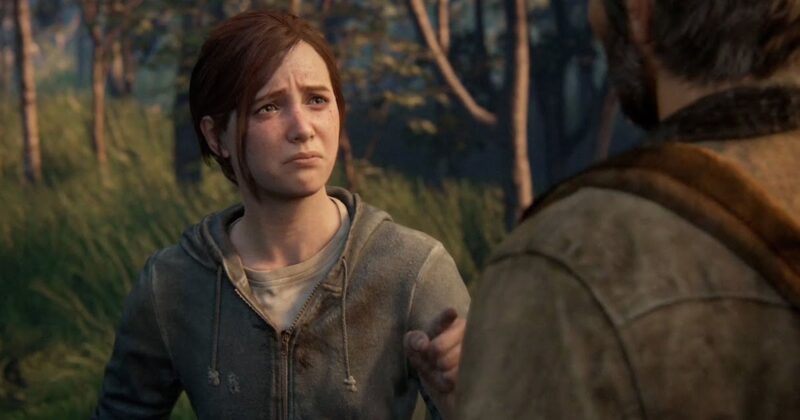
Few franchises have left as deep a mark on modern gaming as The Last of Us. From its harrowing narrative and unforgettable characters to its technical mastery, the saga crafted by Naughty Dog has defined a generation. Yet, just as fans waited eagerly for the next evolution, a stunning revelation emerged: a highly anticipated multiplayer installment set in The Last of Us universe was officially scrapped when it was almost finished.
An Almost-Complete Multiplayer Set in a Brutal Post-Apocalypse
According to direct accounts from former Naughty Dog team members, The Last of Us Online wasn’t just a rumor—it was a reality, and it was nearly ready for launch before its abrupt cancellation. This standalone multiplayer project was being built from the ground up in a significantly enhanced version of the existing in-house engine, promising both advanced visuals and sophisticated gameplay systems beyond what fans experienced in Part II.
The concept was ambitious: a persistent, live-service survival game with PvPvE elements, where players could align with various factions, scavenge vital resources, and undertake narrative-driven missions in dynamically evolving environments. Cooperation was critical, but so was competition, as threats lurked not just from other players, but from the infected world itself. Naughty Dog’s vision clearly drew inspiration from the surge of intense, narrative-rich multiplayer titles, seeking to create a uniquely atmospheric experience within The Last of Us lore.
Why The Last of Us Online Meant So Much to Fans
The shock over its cancelation is palpable across social and community platforms. Multitudes had pinned their hopes on revisiting the tension and raw emotion of The Last of Us universe with friends—or rivals—online. Many players cited the series’ exceptional approach to stealth and combat, imagining what a multiplayer twist could have offered to the formula. As one passionate fan put it, ‘It was the only live service I truly wanted to play’—a sentiment echoing across message boards and podcasts alike.
It stings all the more knowing the game was reportedly ‘80% complete’ at the time the developers were pulled off the project. Internal concerns about sustaining the live service model long-term sealed its fate, leaving the community lamenting what could have been a groundbreaking entry in the franchise.
The Future of The Last of Us Universe
With the multiplayer dream dashed, the conversation has pivoted toward the core story. While Naughty Dog has remained tight-lipped, creative director Neil Druckmann has teased possible new directions for The Last of Us Part 3. This has dramatically divided the fanbase. Some argue that Ellie’s story is already masterfully resolved, fearing that further chapters could dilute the emotional impact of Part II. Others believe there are still unfinished threads—can the post-pandemic world truly heal, and does Ellie have more to give?
Amid these questions, one thing is certain: the community’s patience will be tested. In the meantime, Naughty Dog’s immediate focus is believed to have shifted to their upcoming venture into the sci-fi genre with Intergalactic: The Heretic Prophet, a project drawing massive curiosity for how it might reinvent the acclaimed developer’s storytelling prowess.
Why the Loss Resonates Far Beyond a Single Game
This lost chapter of The Last of Us is more than just a cancelled release—it represents a vision of what could have expanded the boundaries of narrative-driven multiplayer. As live service models become more ambitious and narrative integration more seamless across genres, the best projects aren’t simply games, they’re worlds that players inhabit. For now, fans of The Last of Us must look to the horizon, holding out hope that the universe they cherish will one day make its online return in a form worthy of its legacy.