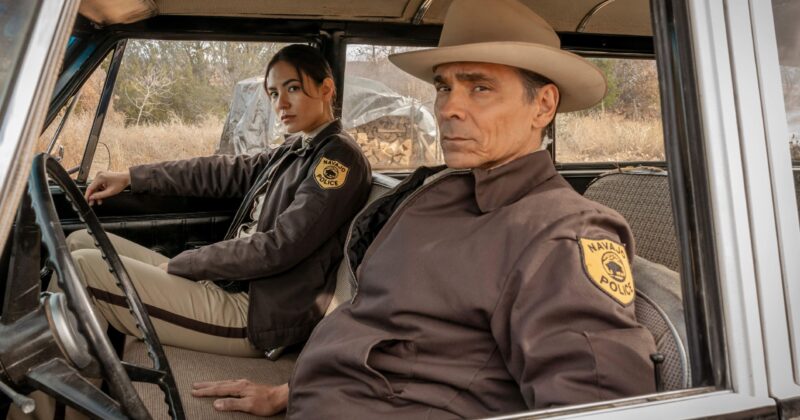
Dark Winds: The Jaw-Dropping Season Finale That Redefines the Series

The Transformation of Dark Winds After Its Most Heartbreaking Loss
Dark Winds has steadily established itself as one of television’s standout crime dramas, seamlessly weaving together psychological thriller elements and a rich tapestry of Native American culture. Set in the evocative landscape of America’s Four Corners region, the story has always found strength in its authentic representation—largely thanks to its predominantly Native cast and commitment to detail both culturally and narratively.
The Fallout From a Shocking Finale
The recent season finale didn’t just maintain the show’s signature tension—it detonated it. In a move no one saw coming, the murder of former sheriff Gordo Sena sent shockwaves through viewers and the world of the show itself. Showrunner John Wirth shared that the decision to end the season on such a pivotal note wasn’t taken lightly. This was not about shock for its own sake; instead, it was a powerful narrative device, opening the door to uncharted territory for the writers, cast, and beloved characters.
According to Wirth, losing Gordo in such a sudden and unpreventable way was akin to a force of nature—unpredictable and irreversible. This profound event isn’t just another dramatic twist; it’s a catalyst for significant transformation, both for the ensemble and the show’s ongoing mythology.
New Directions and Unresolved Tensions
Lieutenant Joe Leaphorn, portrayed with gravitas by Zahn McClarnon, now faces a personal crossroads. He had been contemplating retirement, but with the loss of his longtime friend, that path is bound to spiral in dramatic new directions. The implications for Leaphorn—and his dynamic with Jim Chee, brought to life by Kiowa Gordon—are considerable. How will these officers redefine themselves and their methods in the aftermath of a personal tragedy?
The narrative choice to remove such a central figure also offers fertile ground for new stories. With fresh characters set to enter the world and existing ones forced out of their comfort zones, the showrunner hints at a symbolic rebirth for the series. Fans can anticipate a deeper probe into the emotional and professional lives of the core cast—each ripple from Gordo’s murder promising to reshape alliances, motives, and the moral landscape that has been so masterfully developed.
A Living, Breathing World of Crime and Consequence
Dark Winds continuously explores more than just crime; it’s a nuanced examination of community, trust, and identity, all within the authentic historical backdrop of Native American reservations in the 1970s. The murder investigation at the heart of the show’s universe forces both officers and viewers to repeatedly confront uncomfortable truths about justice, loyalty, and legacy.
With executive producers like Robert Redford, Anne Hillerman, and even George R. R. Martin involved behind the scenes, the show has never lacked for creative vision. However, it’s in moments like these—gut-wrenching, unpredictable, and deeply human—where its storytelling truly soars.
Anticipating What’s Next
One intriguing thread left tantalizingly untied involves the character played by Titus Welliver, known for his acclaimed work in the crime genre. Though his arc in this season remains unresolved, all signs suggest he will play a critical role moving forward—possibly intersecting with the fallout and investigations stemming from Gordo’s death. This represents just one of many layered plot strands that promise an evolving, unpredictable journey for both cast and audience.
Dark Winds proves that even after several seasons, it isn’t afraid to press the reset button, challenge its audience, and seize opportunities for creative evolution. With every twist, the series reinforces why it’s not just another entry in the crime genre, but a landmark in modern television storytelling.