The Boys: How Prime Video’s Boldest Sci-Fi Series Became the Playbook for Building a Next-Gen Franchise

When Satire Becomes Blueprint: The Boys and Its Relentless Evolution
Prime Video’s The Boys is not just another hit in the crowded superhero arena—it’s a cultural juggernaut that redefined how television can take on the comic book genre. Launching into a landscape dominated by the relentless output of the MCU and DCEU, The Boys arrived as a brutal, subversive commentary on the superhero machine. Its earliest episodes pulled no punches, offering razor-sharp parody of comic icons and the entertainment engines that fuel their real-world equivalents. This raw, unapologetic approach instantly set it apart, drawing fans who were weary of formulaic caped crusaders and thirsty for something with real bite.
How The Boys Transformed Its Own Rules of Engagement
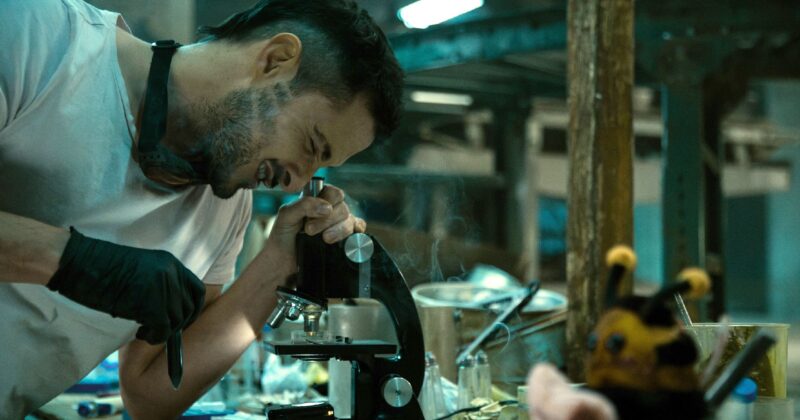
The Boys wore its intentions on its blood-splattered sleeves—mocking superhero legends, lampooning mega-corporate culture, and dissecting the absurdity of brand-obsessed heroism through the monstrous lens of Vought International. From the layered performance of Antony Starr’s Homelander, a parody yet deeper than any Superman send-up, to the corporate chess games played by Giancarlo Esposito’s Stan Edgar, the show captured the hypocrisy and moral decay lurking under the spandex.
But as its popularity surged, something fascinating happened. Prime Video doubled down, expanding this one-of-a-kind vision into a sprawling universe—spinoffs, prequels, and interconnected events began trickling into the platform. This wasn’t just another case of chasing the big Marvel and DC model: The Boys—for all its mockery—had become the very thing it set out to destroy. Yet rather than feeling hypocritical, the transformation felt almost inevitable, especially with audiences hungry for more of this cynical, kinetic world.
Biting the Hand That Feeds: Vought, Expansion, and the Art of Satire
Early on, The Boys lampooned the endless cinematic universe phenomenon—Vought’s internal blockbusters like Dawn of the Seven are both scathing parodies and sharp industry commentary. Corporate maneuvering, superhero marketing, and omnipresent cross-promotion ring true not just in fiction but across our current pop culture. And yet, after the main show’s explosive success, the franchise began mimicking the rollout strategies of its real-world rivals. The satirical edge remained, but the business tactics were straight from the playbook of the entertainment giants it roasted.
The universe widened: The Boys Presents: Diabolical delivered animated madness, while Gen V added depth to the mythos. Forthcoming entries like Vought Rising and The Boys: Mexico will soon add new flavors to this ever-expanding lore. And despite the risks of brand dilution, the creative minds continue to prioritize savage commentary and meaningful storytelling—never letting satire slip into soulless imitation.
Measured Expansion: The Secret Ingredient Missing from Other Franchises
What separates The Boys from other cinematic universes? It’s the pacing and precision of its expansion. While comic book rivals flood audiences with constant content, The Boys keeps its releases strategic and purposeful. Every spinoff feels necessary. Gen V wasn’t rushed—it arrived only after the main series had built enough foundation for a powerful, interconnected narrative. The introduction of storylines like the biologically engineered supe virus makes supplemental shows feel vital to the ongoing saga, not like mere side quests.
Future projects will adhere to this approach: Vought Rising will arrive after the next major season, and The Boys: Mexico is set for after the looming finale showdown between Butcher and Homelander. Each spinoff is carefully spaced, ensuring anticipation grows rather than fatigue. Fans are never swamped, so every addition to the universe feels like an event—rare and incendiary.
A Playbook for the Streaming Era
The brilliance of The Boys‘ franchise model isn’t just in the content—it’s in how and when that content is delivered. Rather than mimicking the content overload that has caused even the Marvel fandom to wane, the carefully cultivated rollout of The Boys keeps excitement alive. Even as it grows into something that resembles the very thing it once ridiculed, it holds onto its soul and sharp edges, setting the stage for what serialized worldbuilding can aspire to be in a saturated streaming era. For streaming platforms and franchise hopefuls, this unruly and often uncomfortable universe offers the smartest blueprint yet for keeping both edge and engagement alive in the age of the endless superhero.