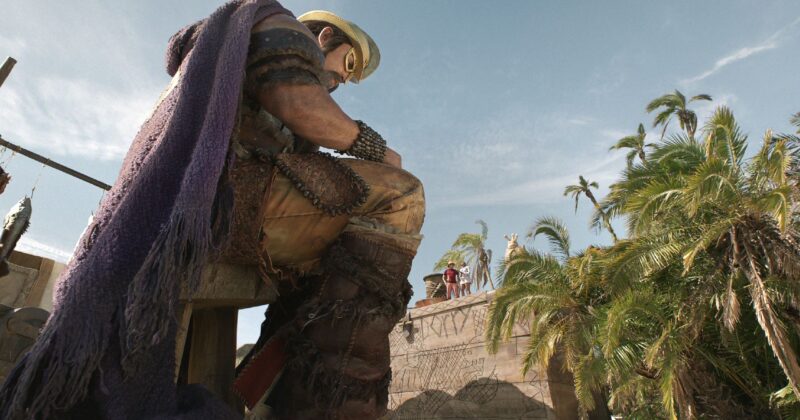
The Ongoing Evolution of Netflix’s One Piece
Netflix’s live-action adaptation of One Piece has rapidly gained traction among anime and manga fans. Every new season raises the bar, but with the release of the second season, viewers have noticed a significant shift in how story arcs are adapted. Where season one delivered a fully realized journey through the East Blue Saga, fans find themselves navigating unfinished business in the season two finale, with many eager for the next installment.
An Adaptation with Unique Pacing Choices
In a bold move, Netflix chose to begin season two with the Loguetown Arc before plunging into the fan-favorite Arabasta Saga. However, unlike the previous installment, season two doesn’t wrap up the saga in its entirety. The Arabasta Arc—the emotional core of this chapter—will not conclude until season three. This has prompted debate among longtime fans and new viewers alike. For many, it resembles the narrative split previously seen in high-profile Netflix projects, where a single story is paused midstream, leaving audiences on the edge of anticipation.
Echoes of Split-Season Strategies
The concept of splitting a major story into multiple seasons isn’t new to streaming. Netflix has applied this approach to several hit series, from the suspenseful structure of Squid Game to the split-part finales of Stranger Things and Cobra Kai. In the case of One Piece, the decision is subtler—season two and three are individual seasons rather than labeled parts, yet the interconnected storytelling is undeniable. The beginning of the Arabasta Saga in season two, with its conclusion held back for season three, shapes a unique binge-watching experience that both frustrates and entices audiences.
Impact on Storytelling and Character Arcs
While this pacing keeps the hype alive for returning viewers, it does shift the emotional weight carried by the finale. Season two’s closing confrontation—Luffy’s battle with King Wapol—delivers excitement but lacks the all-out spectacle of the Straw Hats’ iconic showdown at Arlong Park in the first season. Context matters here: Wapol was never meant to be a saga-defining villain. In the original manga and anime, his role was always that of an arc-specific antagonist, not the climactic end to a major storyline. The show’s structure amplifies his role, but some viewers may miss the massive, cathartic payoff expected at a season’s end.
What Awaits in Season Three?
Despite some criticism, One Piece’s live-action adventure remains a rare example of a successful manga adaptation, thanks to strong casting, faithful set pieces, and a nuanced understanding of its source material. With production already underway for the next season, long-time fans and first-time viewers are set up for a thrilling ride when the Arabasta Saga finally reaches its conclusion. The anticipation will only grow as release day approaches, promising another wave of excitement as the Straw Hats face the Baroque Works and the Empire of Sand in one of the franchise’s most beloved arcs.