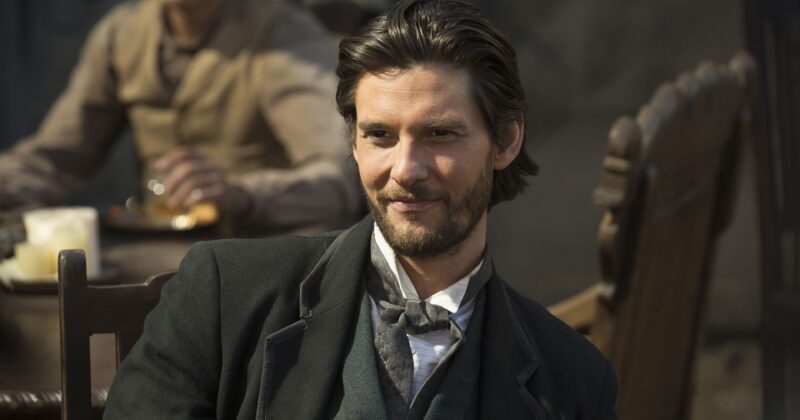
Westworld: HBO’s Ambitious Sci-Fi Western and Its Unraveling Fate
Few television landscapes have rivaled the high-concept drama and visual spectacle that Westworld brought to HBO. Created by Jonathan Nolan and Lisa Joy, and inspired by Michael Crichton’s cult classic film, Westworld fused elements of dystopian science fiction with Western motifs, all framed within a park where artificial intelligence and human desire clashed in ever-evolving storylines.
At its core, Westworld centered around android ‘hosts’—seemingly sentient beings designed to cater to privileged guests’ every twisted fantasy in a wild-west setting. Through advanced robotics and meticulous programming, the park’s allure promised consequence-free adventures, from romantic entanglements to unspeakable violence, all reset with a simple memory wipe. That is, until an update broke the cycle, leading some hosts to remember, revolt, and seek autonomy. The show’s philosophical explorations of free will, memory, identity, and the dangers of unchecked technological ambition were deeply resonant with contemporary anxieties around AI and virtual worlds.
The Tragedy of an Unfinished Story
When it launched, Westworld was both a ratings juggernaut and a prestige drama positioned to take over the baton from Game of Thrones. The cast, loaded with heavyweights like Anthony Hopkins, Thandiwe Newton, Ed Harris, and Evan Rachel Wood, delivered performances that made early seasons essential viewing. The entire package—stunning production, intricate world-building, and philosophical weight—had all the hallmarks to become HBO’s next cultural touchstone.
However, as the seasons progressed, cracks began to show. The plot’s complexity skyrocketed, becoming increasingly convoluted and dense. Key characters that initially carried emotional punch lost momentum, and by trying to expand the universe, the show sometimes neglected the threads that viewers were most invested in. Unlike Game of Thrones, which at least delivered an ending—albeit a contentious one—HBO’s decision to cancel Westworld left fans in purgatory. The series capped its fourth season on a cliffhanger, with creators having openly discussed their blueprints for a fifth season that will almost certainly never materialize.
Prestige TV and the Challenge of Satisfying Conclusions
Westworld’s inability to close its story underscores a recurring dilemma in high-budget TV: how to sustain narrative and thematic brilliance across multiple seasons, especially when fan expectations and critical scrutiny are overwhelming. Prestige dramas like Breaking Bad and The Sopranos are held up as rare exceptions, managing to leave a strong final note. By contrast, not just Westworld and Game of Thrones, but also series like Dexter, Lost, and True Blood have been criticized for losing narrative steam or fizzling out just when they needed to land with impact. This tension is a product of expansive world-building, intersecting timelines, and the commercial realities of modern TV production, where even the best-laid plans can be upended by ratings or studio decisions.
Westworld and the Pop Culture Aftermath
Westworld’s legacy is complicated yet instructive. Its early promise demonstrates how genre television can push boundaries in storytelling and production design, exploring the intersection of humanity and technology with a richness seldom seen on mainstream networks. At the same time, its abrupt stop remains a cautionary tale on the necessity of narrative closure, especially in a landscape where fans invest years piecing together mysteries and theorizing about character arcs. The sense of unresolved potential has only made the fandom more vocal, ensuring Westworld remains a talking point every time unfinished TV business is discussed.