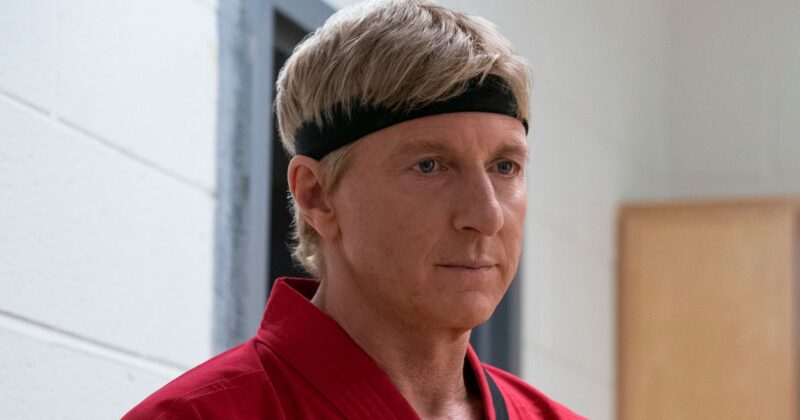
Bloodhounds: The K-Drama That Raises the Bar for Martial Arts on Netflix
While Cobra Kai has earned its place as one of Netflix’s premier action-dramas, there’s a new contender redefining the stakes and realism of combat sports storytelling. Bloodhounds, a South Korean drama, pushes the boundaries of martial arts narratives on streaming platforms. Not only does it outshine previous entries with its electrifying choreography, but it stands out for its unflinching portrayal of violence and consequence—a trademark many fans felt missing in the Karate Kid universe and its offshoots.
Violence With Real Consequences
The central criticism often levied at Cobra Kai and its cinematic origins lies in the so-called ‘plot armor’ that shields its main characters from the most severe outcomes of brutal fights. Sure, we’ve seen life-changing injuries—who could forget Miguel’s harrowing fall at the school brawl?—but death and lasting physical cost are still rare commodities in the dojo. Even the infamous Sekai Taikai showdown was colored by melodrama rather than genuine peril.
Bloodhounds breaks this convention with a relentless onslaught of high-stakes confrontations. In almost every fight, brutal injuries or mortal consequences await. The show’s antagonists personify lawless violence, driving the protagonists to the brink both physically and morally. The tension rises not just from who will win, but who will survive and what they will lose in the process. Especially in its second season, viewers experience a palpable sense of risk and unpredictability rare in mainstream combat dramas.
The True Cost of Victory
One of the standout qualities of Bloodhounds is its commitment to highlighting the tangible price of each victory. The series maintains consistent ‘power scales’—a term familiar to fans of RPGs and fighting games—ensuring that each character’s skills and limitations feel grounded in painful reality. Whereas Cobra Kai often blurs these lines for dramatic effect, Bloodhounds meticulously builds up every increment of skill, training montage, and psychological wear-and-tear, making triumphs hard-won and losses meaningful. Even when main characters seem to briefly defy plausible odds, the narrative quickly resets with harsh realism.
An Underground Tournament With Ruthless Stakes
The driving force in Bloodhounds Season 2 is the IKFC, an illegal, underground tournament that calls to mind cult classics like Bloodsport and Enter the Dragon. Unlike the more regulated, rule-bound events in Cobra Kai, this arena is ungoverned and deadly. Fights aren’t just for honor or school pride—they’re for survival and, at times, revenge. Every match pulses with the threat of deadly finish, making the outcome less about points and more about who can endure the darkest corners of human desperation. The unpredictability here becomes a central hook, keeping martial arts aficionados on edge.
Fight Choreography and Pacing: No Time to Breathe
From the first episode, Bloodhounds promises (and delivers) heart-racing choreography. Its brisk seven-episode season is a masterclass in action pacing—viewers are pulled from one savage showdown to the next with little respite. The tightly-controlled runtime prevents the narrative bloat known to plague longer shows, ensuring the focus remains sharply on action and character development. For fans of combat series looking for relentless momentum and impactful drama, it’s a must-watch.
Bloodhounds’ Place in Modern Martial Arts Storytelling
As streaming platforms continue to seek the next big combat drama, Bloodhounds has quickly carved out a reputation as one of the most intense and immersive series in the genre. By elevating the stakes—both physical and emotional—and refusing to shy away from the price of fighting, it sets a new benchmark for successors. The hope is that its current momentum will see the series renewed for further seasons, pushing the boundary of martial arts storytelling even further.