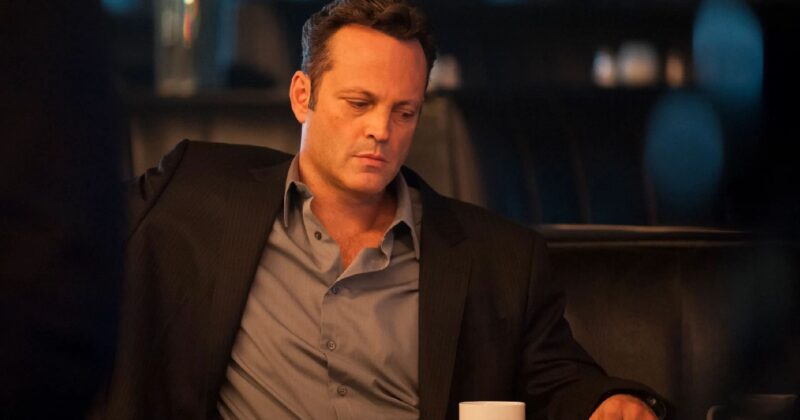
Vince Vaughn in True Detective: An Unexpected Redemption Arc
When crime dramas are discussed in the world of premium television, it’s impossible to ignore the legacy of series that revolutionized the genre. After classics like The Shield and The Wire redefined police procedurals, audiences arrived at a turning point—demanding more complex, flawed heroes and embracing morally ambiguous storytelling.
Enter True Detective, a show that burst onto TV screens with a season one that blended psychological intrigue, occult undertones, and compelling performances by Matthew McConaughey and Woody Harrelson. With its atmospheric Louisiana settings and existential monologues, that first season set a new bar that almost no anthology drama since has eclipsed.
The Polarizing Shift of True Detective’s Second Season
The following season brought together a star-studded cast—Vince Vaughn, Colin Farrell, Rachel McAdams, and Taylor Kitsch—and placed them amidst a sprawling Los Angeles conspiracy. Where the debut was intimate and mysterious, season 2 widened its scope, delving into corrupt city politics, organized crime, and the dark intersections between law enforcement and the criminal underworld.
This ambitious approach initially overwhelmed audiences and critics alike. The overlapping jurisdictions—Ventura County, Vinci PD, California Highway Patrol—created a tangle that, on first watch, felt excessive. Vaughn’s Frank Semyon, a mob boss haunted by personal tragedy, added another layer to the already murky waters of betrayal and desperation.
How Time Has Changed Perceptions
Revisiting True Detective now yields a different perspective. The unique chemistry between Farrell’s broken detective, McAdams’ relentless Sergeant, and Kitsch’s conflicted officer brings a hard-edged humanity to the show. The series becomes even more fascinating when viewed through the lens of Vaughn’s nuanced performance as Frank. Stripped of his usual comedic persona, Vaughn delivers a character trapped between brutality and vulnerability—a gamble that, over time, pays off handsomely.
What once seemed convoluted now feels daring. The dense plot threads—often cited as weaknesses—have aged into features. The show’s noir aesthetics, stark L.A. landscapes, and unflinching violence situate it among modern crime classics that are unafraid to depict systemic rot and fractured psyches.
Standout Performances and Craftsmanship
Rachel McAdams and Taylor Kitsch, too, have scenes that stick with viewers long after the credits roll. McAdams imbues her character with pain and purpose, bristling against corruption and personal demons alike. Kitsch plays a man torn by secrets, whose struggle underscores the series’ pervasive sense of dread.
Behind the camera, Nic Pizzolatto’s script and the direction of Cary Fukunaga (in season one) and successors (in season two) keep the narrative fraying just enough to mirror real-world complexities. The season asks difficult questions about masculinity, loyalty, and redemption at a societal scale—questions still relevant in contemporary television discussions.
Why True Detective’s Second Outing Deserves a Fresh Watch
The detective genre is more crowded than ever, but True Detective’s sophomore season offers something unexpected: an unvarnished look at the cost of compromise amid urban chaos. It stands apart as a moody, ambitious reminder that TV can be both imperfect and unforgettable.
For viewers seeking more than hollow twists, the series rewards patience, offering a slow-burn experience that improves with time. Vaughn’s Frank Semyon is now recognized not just as a supporting player in a controversial season but as a compelling antihero whose struggles resonate through today’s gritty television landscape.