One Piece Season 2: Breaking the Live-Action Curse
Adapting anime for live action has always been a risky business. From failed CGI experiments to awkward casting, the path is littered with high-profile disappointments. One Piece’s debut on Netflix was initially met with skepticism—the sheer scale and absurdity of Eiichiro Oda’s world seemed impossible to translate beyond animation. Who could blame fans for doubting that rubber pirates, shape-shifting fruit, and sea monsters would survive the jump to live action?
Into the Grand Line: A Wider, Wilder One Piece
With season two, One Piece plunged straight into its most fantastical storylines. The Grand Line arc isn’t just a setpiece—it’s a collision course with talking reindeer, explosive villains, and islands straight out of fever dreams. Even inside the show’s universe, these elements are bonkers. On paper, depicting places with dinosaurs, depressed whales, or agents wielding exploding powers risked descending into farce. These anxieties were palpable among longtime fans and newcomers alike.
Yet, instead of dialing back, the team behind One Piece leaned fully into the show’s inherent chaos. Tony Tony Chopper, the adorable and tragically complex reindeer, arrived not just as comic relief but as an emotional anchor. The CGI work, paired with Mikaela Hoover’s vocal performance, turned what could have been an uncanny disaster into one of the series’ biggest triumphs—culminating in an episode already lauded as the season’s highlight on IMDb.
Villains, Wigs, and World-Building Done Right
The villains this season are as diverse as they are memorable. While fans of more structured storytelling might have worried about the absence of a single overarching nemesis, the writers wove together threats both immediate—like King Wapol—and looming, particularly with Mr. Crocodile in the wings. This choice let the series mirror the anime’s globe-trotting structure without losing narrative momentum.
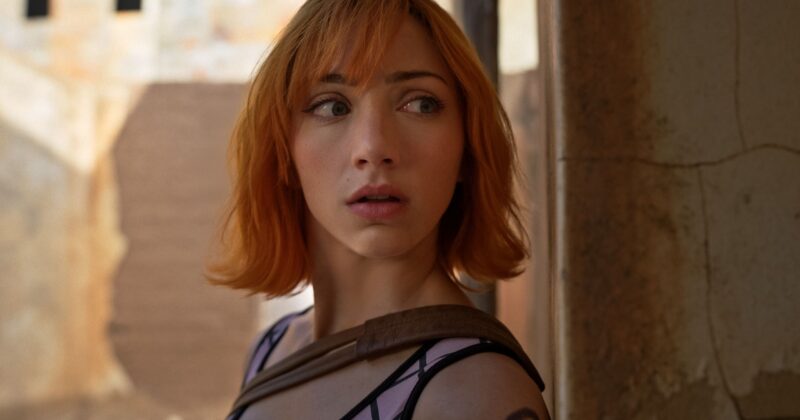
Production values soared, with each island of the Grand Line realized in loving detail, packed with visual Easter eggs and fan-favorite locales. The show’s approach to the bizarre (giant warriors, sly wigs hiding weaponry) traded irony for sincerity, which made even the silliest moments resonate. Season two didn’t just keep up with the original—by matching the anime’s inventiveness beat for beat, it made these adventures accessible to a global audience.
Reception and Ratings: The Proof is in the Audience
Numbers don’t lie. On IMDb, the second season now edges past the first, sporting an 8.6 average user rating versus the original’s 8.4. Rotten Tomatoes crowned the sophomore outing with a rare 100% critical score—a feat unheard of for adaptations of this kind, especially on the heels of a solid 86% for season one. The message from both fans and critics is clear: One Piece is no longer just a surprise hit, but a gold standard for anime adaptations.
The Road Ahead: Why Season 3 Could Be Even Bigger
With the wildest characters and concepts from the manga already brought to life successfully, the creative team now faces a stretch of story even more beloved among fans: the Arabasta arc. Tensions will peak with alliances, betrayals, and battles that have defined One Piece for decades.
The addition of household names to the cast, including Netflix leads like Xolo Meridueña, points to even greater star power and depth for future storylines. By conquering the hardest adaptation hurdles early on, the show is free to bring fans the most iconic chapters of the saga without holding back.
One Piece’s transformation from an expected misfire to a must-watch phenomenon showcases what’s possible when creative teams trust the material and the audience. Every challenge met—and every worry dispelled—just sets the stage for something even grander.