Pedro Pascal Shines in Hulu’s Indie Sci-Fi Masterpiece: Why ‘Prospect’ Remains a Must-Watch for Genre Fans

The Unmissable Appeal of Hulu’s Indie Sci-Fi Gem
At a time when science fiction often means glitzy CGI and sprawling multi-million-dollar universes, the quietly crafted Prospect delivers a refreshing antidote. Available to stream on Hulu, this standout indie film proves that imaginative storytelling and keen world-building can offer a deeper, more tactile experience than many blockbuster rivals.
Building a Lived-In Sci-Fi Frontier
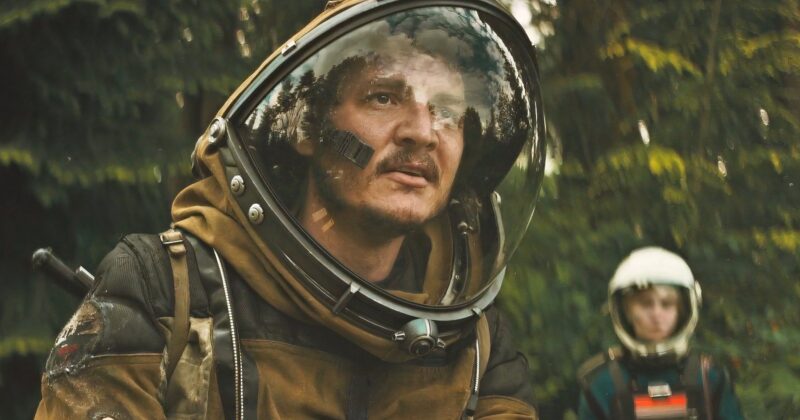
What immediately distinguishes Prospect is its raw, tactile vision of the future. The film’s creators worked magic with a reported $4 million budget, embracing practical effects and production design over green screens and post-production razzle-dazzle. Every battered spacesuit, scuffed visor, and makeshift tool echoes the rugged, analog spirit of classic sci-fi cinema from the 1970s. Inside cramped cockpits and cluttered modules, you sense each object has a story, each surface has seen hard use—the future, in Prospect, feels unwaveringly lived-in.
Prospect’s setting—a dense, toxic alien forest—serves as the perfect backdrop to its tone. Instead of laser shootouts across nine-star systems, survival unfolds under the oppressive canopy of a world you can almost smell and touch. The technology isn’t pristine; it’s worn, patched together, and feels real. This approach blurs the line between speculative fiction and gritty drama, creating immersion rarely seen outside the most beloved cult classics.
A Sci-Fi Western Anchored in Human Tension
Despite its extraterrestrial setting, Prospect thrives on the tension of human interaction. At the core is a young woman, Cee—portrayed with gut-level determination by Sophie Thatcher—and her father as they prospect a dangerous alien moon for valuable resources. When their harvesting job goes predictably sideways, what follows is less an action spectacle and more a battle of wits and wills.
The film draws liberally from Western iconography: shifting alliances, moral ambiguity, and confrontations that feel more standoff than skirmish. Characters negotiate, trade, threaten, and plead. The weapons brandished have more in common with retooled farm equipment than ray guns. Every encounter is weighted by the environment: you sense that in this world, every breath is precious, every misstep could be fatal.
Pedro Pascal delivers one of his most complex performances as Ezra. At first a self-serving interloper, his true motives unravel in tandem with the viewers’ expectations. His chemistry with Thatcher is electric, as necessity forges an uneasy partnership that’s as much about emotional survival as physical escape. Pascal’s signature depth and charisma transform Ezra into a character whose every decision matters.
Grounded Performances, Atmospheric Storytelling
The success of Prospect owes much to its subtle performances. Thatcher’s Cee is the film’s emotional anchor. Watching her evolution from cautious observer to resolute survivor gives the narrative real bite even when the plot trades momentum for mood. She plays vulnerability and resilience in equal measure, forging a character arc that stays with you long after the credits roll.
Pascal, meanwhile, imbues Ezra with equal parts menace and unexpected humanity. His stylized, almost poetic dialogue risks theatricality, but in the oppressive world of Prospect, it grants the character uniqueness—he is, at once, a product of his environment and its critic.
Why Prospect Still Resonates in Today’s Sci-Fi Landscape
What makes Prospect stand out among today’s endless parade of big-budget content is its commitment to atmosphere and character over spectacle. The film’s careful production design—rooted in practical, tangible details—invites viewers to not just watch its world but explore it alongside the characters. With restrained pacing and a narrative that values tension over tidy resolutions, Prospect becomes a rarity: science fiction for those who crave immersion and authenticity over easy answers.
The legacy of Prospect is a testament to what indie filmmakers can achieve with limited resources but boundless vision. It shows that there’s still hunger for stories that take chances, that trust the audience’s patience and curiosity, and that don’t shy away from the messier side of survival—whether on a toxic moon or closer to home.