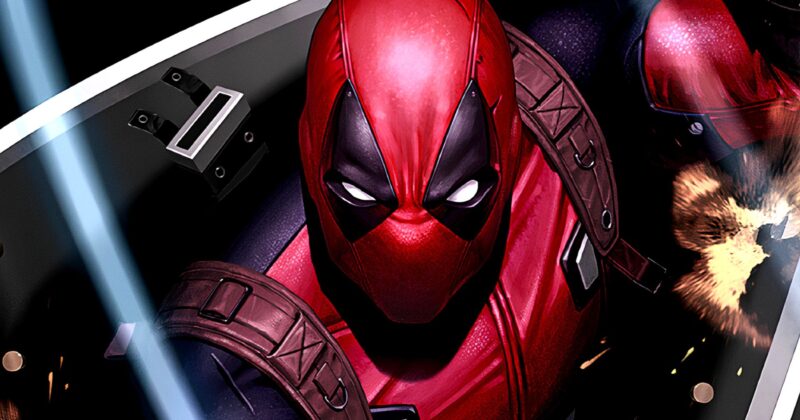
Why Deadpool Still Lacks Great Villains – And What Marvel Is Missing

Deadpool’s Ascent and the Persistent Villain Problem
Few Marvel heroes have taken such a wild path from cult burnout to global phenomenon as Deadpool. Originally debuting as an edgy anti-hero with sharp wit and sharper swords, Wade Wilson reinvented what it meant to be a pop culture staple. His journey from the fringes of comics to starring in blockbuster films and endless merchandise is a testament to the character’s chaotic charm and meta-awareness. However, there’s a unique gap in Deadpool’s legacy—one that even his creators and die-hard fans can’t overlook: the persistent lack of a truly iconic rogues’ gallery.
Rob Liefeld’s Critique: What Happened to Deadpool’s Enemies?
Rob Liefeld, co-creator and the visual architect of Deadpool, has been openly blunt about what he sees as Marvel’s biggest misstep. During panels and interviews, he points out that unlike Spider-Man or Batman—whose enemy rosters are legendary and help define their heroism—Deadpool has been left fighting a revolving door of third-tier antagonists or joke villains. Liefeld suggests this wasn’t accidental, theorizing that after key creators left the publisher for other ventures in the ’90s, Marvel intentionally held back on letting Deadpool build his own major adversaries.
Iconic heroes gain depth from their enemies; Batman has the Joker and Two-Face, while Spider-Man’s battles with the Green Goblin, Doctor Octopus, and Venom are integral to his mythos. Deadpool, instead, faced foes such as Doctor Bong (literally a villain with a bell on his head from Howard the Duck’s corner of Marvel) and other borrowed or comedic antagonists. This steering toward absurdity cemented Wade as a comedic figure, but it limited the development of personal or legendary threats.
The Earnest Attempts at Crafting Nuanced Villains
Marvel did allow moments where more serious adversaries were introduced. Early threats like T-Ray, Slayback, and Killspree played up the intense, over-designed trends of their era but failed to stand the test of time, often being too derivative or lacking lasting emotional ties with Deadpool. Liefeld himself tried to change this when he returned to the character with storylines like Deadpool: Bad Blood, where he introduced Thumper—an enemy tied to Wade’s own troubled past. Yet, even these efforts didn’t make their mark long-term and Thumper, alongside other new creations, struggled to gain traction beyond their debut arcs.
Is There Really No Signature Nemesis for Deadpool?
Digging into Deadpool’s comic history reveals a few recurring names: Taskmaster, Ajax, Evil Deadpool, T-Ray, and the cosmic-level Thanos, who cursed Wade with immortality out of jealousy. Each carries unique motivations—and some like Ajax and T-Ray dig deep into Wade’s traumatic origins—but none have become inseparable from Deadpool’s story in the way Joker is to Batman or Magneto to the X-Men. Taskmaster might come closest, but his loyalties and conflicts are spread widely across the Marvel landscape.
Other innovative concepts exist, like Evil Deadpool (a Frankenstein’s monster made of Wade’s discarded body parts) and Madcap, a foe who matches Deadpool for chaotic energy and mind games. Despite these flashes of brilliance, these adversaries often fade after a few appearances, seldom forming recurring psychological or emotional arcs with staying power.
Why Marvel’s Villain Problem Is No Longer Just Deadpool’s Dilemma
The issue stretches beyond Deadpool. The concept of a vibrant rogues’ gallery that grows with a hero has slowed across comics in recent years. Whereas the earlier decades saw a rapid expansion of memorable foes for heroes, modern Marvel rarely succeeds in introducing villains that endure. Characters like Spider-Man and Hulk are often locked into cycles with familiar enemies, and even newer fan favorites like Miles Morales largely inherit adversaries from their predecessors or face villains who rarely stick around for more than a storyline.
The reasons are complex—today’s comics often favor big, universe-shaking events that overshadow the slower, more personal build-up of signature rivals. Villains in both comics and cinematic adaptations now tend to be episodic, appearing in a blast of hype and then disappearing, with few anchoring themselves as essential, ever-present threats. This shift in storytelling focus means even a character as popular as Deadpool is less likely to build his own pantheon of legendary enemies.
Does Deadpool Even Need Classic Arch-Enemies?
The true irony may be that Deadpool, as a perpetual outsider, doesn’t actually require a traditional rogues’ gallery to be effective. His best stories subvert expectations, breaking the fourth wall and using the Marvel universe itself as his playground. Often, his most memorable showdowns pit him against heroes, anti-heroes, or even the cosmic hierarchy that governs the fate of reality—situations where personal nemeses take a back seat to mind-bending meta-commentary and wild, unpredictable action.
So, while the absence of iconic villains arguably limits some narrative potential, it also reinforces Deadpool’s unique niche. His adversaries might be fleeting, bizarre, or borrowed, but every battle—whether against Taskmaster or his own fractured psyche—pushes the boundaries of what superhero comics and movies can be. As Marvel continues to evolve, it’s entirely possible the next signature villain for Deadpool is just waiting in the wings, ready to match the mercenary’s madness with an equally unforgettable twist.