The Unmatched Brilliance of Sandman’s Most Surreal Redesign in Spider-Man Comics

The Lasting Impact of Iconic Spider-Man Villain Redesigns
Throughout the ever-expanding universe of Spider-Man comics, the gallery of villains has been continually elevated by innovative artists who give each nemesis a unique visual identity. Some interpretations become so interwoven with the fandom’s memory—think Doctor Octopus by Steve Ditko or Carnage by Mark Bagley—that they cast a long shadow over any subsequent reimaginings. Yet, among these, Sandman stands as a remarkable case study of creative transformation.
Why Sandman’s Design Stands Apart
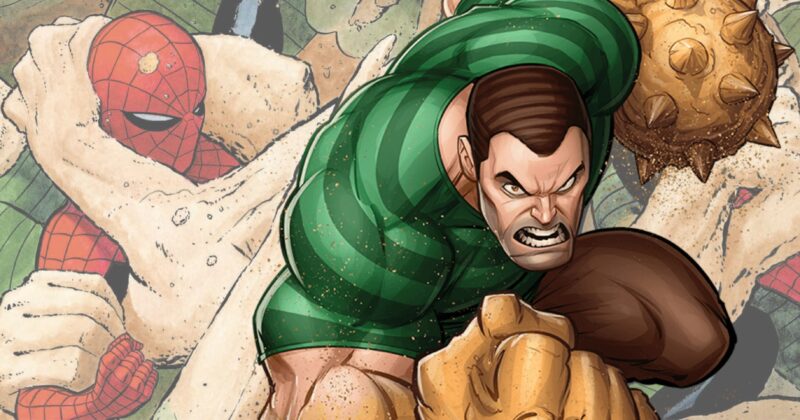
While William Baker—better known as Sandman—has always invited artistic experimentation due to his amorphous, sand-based form, the most audacious and memorable rendition came in a two-part arc known as «Reborn» in Peter Parker: Spider-Man. Guiding these pages was artist Sam Kieth, whose impressionistic and almost nightmarish style turned Sandman into a figure unlike anything seen before in Spider-Man’s pages.
This was not the tidy, shifting silhouette fans knew; Sandman in these issues morphed with grotesque whimsy. Imagine scenes reminiscent of Tim Burton’s most surreal animation—Sandman’s body became a fluid canvas. Fists transformed into oversized, bristling hammers, limbs warped into uncanny shapes, and his face contorted with bulging eyes and incongruous rows of teeth that seemed more claymation than superhero comic fare. Kieth’s visual approach embraced the absurd possibilities of a villain made of sand, matching the fractured state of Baker’s psyche during this period.
The Art That Raised the Bar for Visual Storytelling
These issues didn’t just play with anatomy—they tested the boundaries of comic book art itself. Kieth’s design choices evoke a visceral reaction: loose optical nerves, oddly segmented bodies, and transformations that can only be described as feverish visions. With every panel, readers found themselves both captivated and unsettled, wrestling with a version of Sandman that feels simultaneously classic and terrifyingly new.
The transformative art style demonstrates just how far a villain’s potential can be stretched in expert hands. Sandman, often treated as a secondary threat in the hero’s pantheon, suddenly became an unforgettable presence, making this short run an instant classic for those seeking the boundary-pushing side of superhero comics.
A Villain Forever Changed
Decades of Spider-Man comics have shown that visual reinvention isn’t just a cosmetic endeavor; it shapes how readers interpret a character’s motivations, power, and menace. While many artists since have brought their own flair to Sandman, Kieth’s depiction remains peerless, mainly because it shattered the comfort zone of familiar comic aesthetics and pursued something deeply unsettling and wholly original. This creates a high-water mark that, so far, remains unchallenged.
For comic fans and aspiring artists, the lesson is clear: innovation isn’t just about new powers or costumes, but about perspective—how an artist dares to see, distort, and ultimately redefine what we thought possible in superhero comics. With each visionary behind the pencil, the legacy of classic villains like Sandman only grows richer, inviting each new generation to reinterpret them in ways that might one day set their own impossible standard.