‘Parable of the Sower’: Warner Bros Prepares a Sci-Fi Thriller Set to Eclipse The Handmaid’s Tale

Why Parable of the Sower Could Redefine Dystopian TV
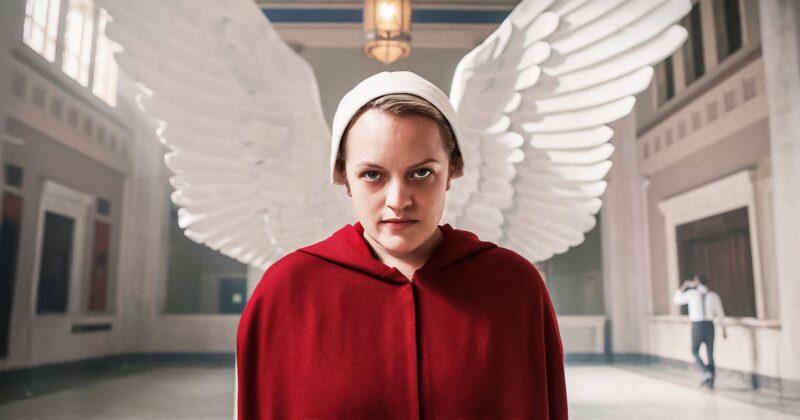
When it comes to dystopian fiction, few stories have gripped audiences the way The Handmaid’s Tale has. Its portrayal of a terrifying theocratic regime struck a nerve, leading viewers through a world marked by oppression, resistance, and harrowing reality. Now, Warner Bros. is stepping into this space with their adaptation of Parable of the Sower, promising an experience that delves even deeper into the anxieties of our world, and potentially surpasses the emotional resonance and cultural relevance of Hulu’s acclaimed series.
The Story: Dystopia Born from Climate Disaster
Parable of the Sower, based on the groundbreaking novel by Octavia E. Butler, imagines a near-future United States in existential crisis. The world-building here isn’t just speculative—it’s viscerally tied to the realities many fear might soon be ours. The story follows Lauren Olamina, a young African-American woman who possesses the rare ability to feel the pain of others. Raised behind the walls of a gated community on the edge of a collapsing Los Angeles, Lauren witnesses firsthand the fallout of climate change, unfettered corporate power, and deepening social inequality.
The fabric of society in Butler’s narrative is torn by resource scarcity: jobs are nearly extinct, food is a luxury, and violence simmers outside every fortified refuge. When Lauren’s safety is shattered, she is forced northward, journeying through a lawless landscape and planting the seeds of a new hope—her radical Earthseed philosophy. This is a dystopia where the most chilling antagonist is not a single regime or leader, but the unstoppable consequences of human denial and environmental neglect.
A Dystopia More Relevant Than Ever
What sets Parable of the Sower apart—in both its original page-turning novel and the promise of Warner Bros.’ upcoming adaptation—is its unapologetic focus on climate change as the driving force of civilization’s breakdown. While The Handmaid’s Tale brings climate decline into its lore, it is religious extremism and state violence that shape Gilead. In contrast, Butler’s world is crumbling because of irreversible ecological devastation—an anxiety that feels all too timely in 2026.
This sharp focus could allow the new series to explore territory mostly untapped in mainstream TV: how sweeping environmental disaster magnifies inequality, triggers waves of migration, and fuels the birth of new ideologies. As Lauren navigates a society broken by both climate and class, the story echoes the lived fears voiced by scientists and activists around the globe. It’s a powerful backdrop for exploring the human drive toward both survival and transformation.
Beyond The Handmaid’s Tale: Exploring What Others Only Hint At
Fans of The Handmaid’s Tale know that its darkest elements are not for the faint-hearted. The series doesn’t shy away from topics like forced pregnancies and the stripping of autonomy. Yet, climate change is only a shadow in Gilead’s creation—it whispers in the background rather than demanding center stage. Parable of the Sower reverses this, using eco-collapse as a full-force narrative engine. For viewers craving dystopian stories rooted not just in power but in our world’s most urgent existential threat, this shift could be transformative.
Moreover, Lauren’s journey is fundamentally different from June’s silent resistance. She forms a new spiritual movement, Earthseed, envisioning a humanity that adapts and survives by embracing change itself. The philosophical depth behind Lauren’s odyssey stands to spark conversation and debate among viewers long after the credits roll.
The Future of Dystopian Science Fiction on TV
As anticipation builds, Warner Bros.’ adaptation of Parable of the Sower is poised to channel the raw, prescient energy of Butler’s original work into a new digital era. This series won’t just parallel The Handmaid’s Tale; it will challenge, confront, and expand what dystopian fiction can accomplish on screen. By daring to hold up a mirror to the tumult of the present, this next great sci-fi thriller signals a bold new chapter in the evolution of speculative storytelling.