The Pitt Season 2, Episode 14: Hidden Struggles and Shocking Confessions Upend the ER

The Pitt Season 2, Episode 14: Breakdown at PTMC
At Pittsburgh Trauma Medical Center, the intensity never relents—especially as Season 2 nears its unforgettable finale. The penultimate episode delivers a double punch: a major reveal about Dr. Al-Hashimi’s secret condition and the heartbreaking confirmation of Dr. Robby’s mental health crisis. Each storyline captures the haunting reality of working in high-stress medical environments and the crushing personal toll that often stays hidden behind hospital walls.
Dr. Al-Hashimi’s Hidden Battle Comes to Light
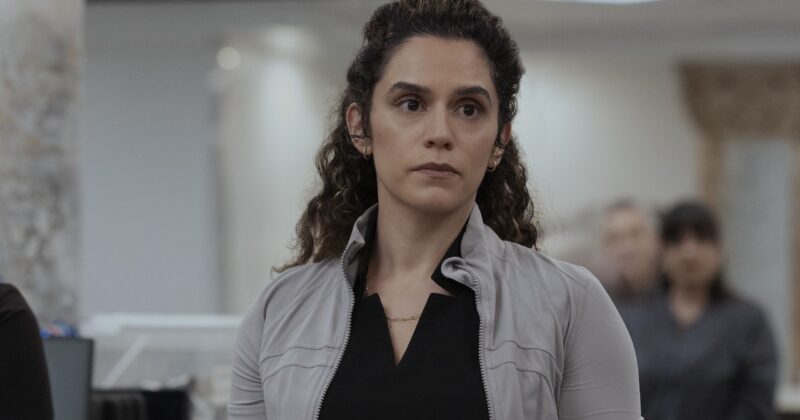
Since her introduction, Dr. Baran Al-Hashimi has been enigmatic—poised under pressure, yet always a step removed, as if shadowed by something unseen. That mystery unravels at the worst possible moment: in a candid conversation with Robby, Al-Hashimi hands over a patient file for his advice, only for him to quickly realize the file is about her. It details a prolonged bout with viral meningitis which led to a seizure disorder, explaining her unexplained moments of distance while treating patients.
These lapses, previously dismissed as distraction or stress, are now revealed as probable warning signs of oncoming seizures—moments that terrify her and put her role as leader of the ER at risk. The episode also revisits an earlier scene where Al-Hashimi discreetly phones a neurologist from the bathroom, a subtle clue that her symptoms are flaring up. Her willingness to show Robby her sensitive medical history does more than clear up plot points; it deepens their dynamic and underscores the very real vulnerabilities circulating among staff at PTMC.
Dr. Robby’s Struggle Reaches A Critical Point
Dr. Robby has been at the center of speculation all season. His erratic behavior and growing detachment have put viewers on edge and cast a shadow over every shift in the ER. In this episode, the show tackles his mental health head-on. Robby’s planned motorcycle road trip to Head-Smashed-In Buffalo Jump was suspected to be an escape—and it turns out, he isn’t just running from his job. During a tense exchange with his friend Duke, Robby finally vocalizes what many had feared: he doesn’t want to be alive anymore.
This admission isn’t just a throwaway line—it reframes his actions over the entire season. Robby explains that the relentless pace of the ER is the only thing keeping his thoughts at bay, the chaos acting as a shield against profound depression and suicidal ideation. Duke’s blunt intervention—reminding Robby that death is irreversible and escaping isn’t a solution—lands as perhaps the most honest and needed exchange Robby has had all season. It’s a raw, seldom-seen dive into the genuine crisis moments that medical dramas rarely address with such authenticity.
Burnout, Paperwork, and an Unexpected Hero Moment
While Al-Hashimi and Robby deal with their internal turmoil, the rest of the day-shift team is up against a grimly realistic form of modern burnout. With a mountain of old paper medical records to scan after a cyberattack scare, the hope of leaving the hospital fades for everyone. Layer in a cascading set of emotional reveals, and tension reaches its breaking point across PTMC’s corridors.
Amid the darkness, there’s a rare moment of triumph. Dr. Langdon, recently grappling with his own crisis of confidence, gets pulled into an emergency with a patient suffering a severe spinal injury. In a bold move, he attempts a blind closed reduction to save the patient from further harm—something his colleagues warn is risky in the extreme. Langdon’s gamble pays off, earning him not only a restored sense of competence but also a nod of respect from Robby at long last. Yet, real-world pressures resurface almost instantly as Langdon faces the consequences of missing a mandatory drug test—a storyline that shows how quickly moments of pride give way to personal battles in the medical field.
Bringing Clinical Realism and Mental Health Into Focus
The Pitt’s latest episode cuts closer to reality than most hospital series, tackling burnout, anxiety disorders, and the impact of hidden illnesses on medical teams. It’s a pointed commentary on how the chaos and heroics of emergency medicine often mask deeper, more insidious struggles—reminding viewers that sometimes, the hardest emergencies are the invisible ones.