Why Mindhunter Remains Netflix’s Unrivaled Crime Thriller Masterpiece

The Enduring Legacy of Mindhunter: Psychological Thrills Unmatched
For lovers of psychological thrillers and true crime, Netflix has a vast catalog. Yet among its many strong contenders, Mindhunter continues to stand apart, not just for its masterful storytelling but for how its impact grows with time. While newer series tap into the allure of serial investigations, few match the chilling authenticity and atmospheric intensity crafted under the guidance of showrunner Joe Penhall and executive producer David Fincher.
Diving Deep into the Criminal Mind
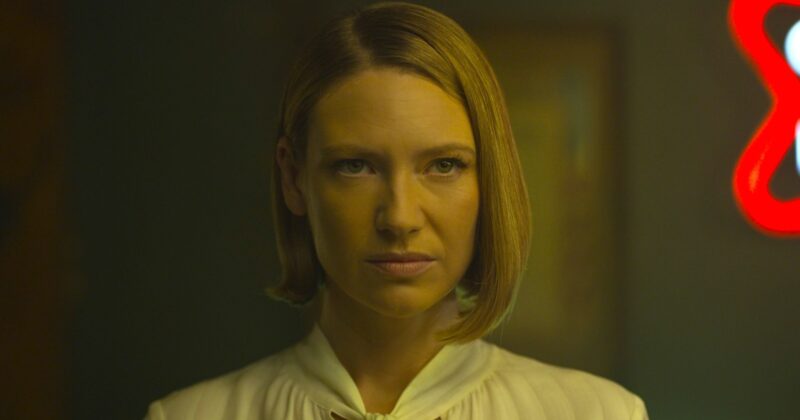
Based on the non-fiction bestseller ‘Mindhunter: Inside the FBI’s Elite Serial Crime Unit’, the show brings the groundbreaking work of the FBI’s Behavioral Science Unit to life. Jonathan Groff’s Holden Ford and Holt McCallany’s Bill Tench deliver intricate performances as two agents obsessed with understanding what drives the world’s most infamous serial killers. The inclusion of Anna Torv’s psychologist Wendy Carr as their brilliant consultant adds further complexity, ensuring each investigative breakthrough and setback feels psychologically textured and emotionally resonant.
While procedurals like Criminal Minds and the stylish horror-noir of Hannibal explored similar themes, Mindhunter’s obsession with ambiguity and uncertainty sets it apart. Here, the hunt for answers is fraught with as much personal turmoil as professional discovery, making the audience question not just who the killers are, but if true understanding is even possible.
A Crime Thriller Without Easy Answers
Most series aimed at criminal profiling offer the comfort of closure. Mindhunter subverts this by embracing shadows and complexity, refusing to reduce its real-world killers to caricatures or neatly tied-up motives. Each interview and case stretches tension, often leaving both the agents and the viewers with more questions than answers.
One of the show’s boldest moves is its focus on multiple cases rather than a singular mystery. The detectives’ work rarely grants them full resolution, adding an extra layer of realism that’s both compelling and unsettling. The series’ portrayal of ongoing investigations – from the haunting sequences in Atlanta to the show’s roster of interviews with expertly cast actors embodying infamous criminals – creates a tapestry of dread and fascination that lingers well after each episode.
Mood, Detail, and a Legacy That Grows
The production is a masterclass in building atmosphere. Every scene, from the muted palettes of the BSU offices to the interrogation rooms heavy with anticipation, feels meticulously crafted under the vision of directors like David Fincher, Carl Franklin, and Andrew Dominik. The dialogue is sharp, investigative, and steeped in the language of behavioral psychology, contributing to Mindhunter’s reputation as the gold standard for intelligent crime drama.
It’s no surprise that, since its untimely cancellation, Mindhunter has only gained new waves of critical acclaim. Its influence is now evident in a new generation of TV thrillers attempting to capture its signature blend of realism, suspense, and psychological depth. For viewers craving crime narratives where the real tension lies in the minds of both law enforcement and those they pursue, few shows are as essential or rewarding.