How Disney’s Storytelling Magic Shaped Berserk—The Definitive Dark Fantasy Manga

The Unlikely Connection: Disney’s Shadow in Berserk’s World
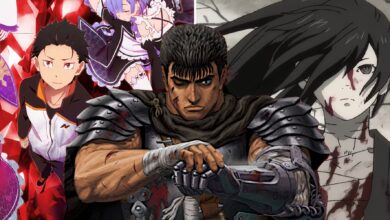
Dark fantasy has carved out a vivid niche in the landscape of manga and anime, pushing boundaries with its grim tales and complex heroes. Yet, few titles resonate as fiercely as Berserk. Most fans instantly recall Guts’ relentless struggle through a world infected by violence and supernatural horrors. What remains hidden behind this saga’s brutal façade, though, is a creative secret: Disney’s legendary storytelling played an indirect but pivotal role in shaping Berserk’s unforgettable universe.
Kentaro Miura and the Unexpected Influence
The late Kentaro Miura, known for redefining the limits of manga artistry and narrative, once revealed a surprising source of inspiration during a rare, in-depth interview at a major Berserk exhibition. Miura admitted that, when trying to craft a world both immersive and accessible, he looked outside obvious reference points. He explained: ‘I used Disney’s works as references when creating the worldview… Disney’s fable storytelling style, which is common throughout the world, helped me build a stateless stage.’
This approach has profound implications. While Berserk draws readers perilously close to the darkness, its backdrop avoids specifics of place or era, much like the timeless settings in classic Disney films such as Snow White or Beauty and the Beast. This narrative choice grants Berserk a universal quality: it is both nowhere and everywhere, a fabled land where evil can feel all too real.
What Disney Brought to Berserk’s Worldbuilding
At first glance, it seems paradoxical to see any link between Disney’s wholesome tales and Berserk’s notorious violence. Yet, inspiration was borrowed not from Disney’s tone, but from its craft in myth-making. Disney, long recognized for adapting Earth’s fables into narratives that transcend cultural and generational borders, gave Miura a model: keep the world’s origins indistinct, encourage the imagination, and create a playground for exploring both light and shadow without geographic or historic anchors.
This technique is reflected by the way Berserk’s setting—while loosely reminiscent of medieval Europe—remains intentionally vague. Maps and kingdoms exist, but specifics fade into allegory, making Guts’ journey emotionally accessible for global readers. The stateless design leaves enough room for personal projection, an essential ingredient in any enduring myth.
Berserk’s Emotional Core: Beyond Swords and Demons
Much has been said about Berserk’s unflinching depiction of violence and sorrow. But dissecting its enduring appeal means looking deeper than severed limbs and monstrous foes. Miura took further cues from surprising directions—in particular, the emotional richness of shojo manga, a genre typically tailored to young women.
In interviews, Miura acknowledged this source, recognizing that his work’s intense emotional expressiveness was more akin to shojo manga than most seinen (adult male-targeted) stories. ‘Shojo manga is all about expressing every feeling powerfully,’ Miura once explained, emphasizing that these emotional beats added a surprising softness and authenticity to Berserk amidst its brutality.
This blend, evident from the legendary Golden Age arc onwards, transformed Guts and Casca from mere survivors to richly drawn characters whose bruised hearts drive the narrative just as much as battles or betrayals.
Mosaic of Influences: From Devilman to Disney
Berserk’s creative DNA also pays homage to a range of other works that left indelible marks on Miura. Iconic titles like Devilman and Fist of the North Star contributed to Berserk’s tone and intensity, while the sprawling fantasy epic Guin Saga inspired scope. Yet it’s the layered—in some cases, contradictory—influences that explain Berserk’s uniqueness. The fusion of fairy-tale timelessness, shojo emotionality, and seinen savagery makes Berserk stand apart as a masterpiece that continuously inspires new waves of creators across media.
Berserk’s Expanding Legacy
Even after Miura’s untimely passing, the saga continues under the guidance of longtime friend Kouji Mori and Studio Gaga. Berserk’s universe has grown, spawning animated adaptations, films like Berserk: The Golden Age Arc, and video games that invite fans to cut deeper into its mythos. Every new chapter remains a testament to the unlikely but crucial role that classic storytelling—not just from fantasy, but from the very heart of global pop culture—can play in building a legend.