A Sci-Fi Experiment That Divides
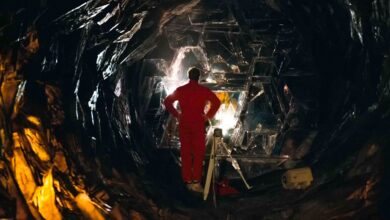
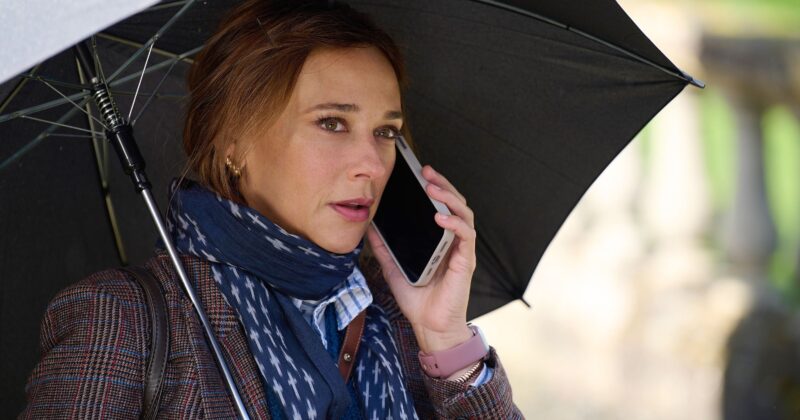
Hulu’s latest science fiction release, In the Blink of an Eye, isn’t just another genre film making its streaming debut. Directed by the renowned Andrew Stanton, this ambitious production weaves together three distinct stories stretching across thousands of years—connecting prehistoric times, a present-day researcher, and a futuristic space scientist. Cast members include Rashida Jones and Daveed Diggs in the modern-day timeline and comedy powerhouse Kate McKinnon as a space-faring scientist, creating a blend of seasoned dramatic and comedic talent rarely seen in the genre.
Critical vs. Audience Reaction: A Stark Contrast
Rarely does a single movie create such disparity between critics and viewers. On Rotten Tomatoes, critics have awarded the film just 18%, marking it as Rotten, while audiences counter with a strong 78% Fresh score. This division is based on substantial input: nearly 40 professional reviews and over 50 audience ratings.
Critics point to a lack of character depth and narrative focus, an unexpected complaint given Stanton’s illustrious Pixar background (Finding Nemo, Wall-E, Toy Story 5). One review praises Thomas Newman’s score and Ole Bratt Birkeland’s cinematography, but laments that, aside from these elements, the film struggles to resonate emotionally or linger in the mind. The general consensus among reviewers is that the nonlinear storytelling sacrifices any opportunity for meaningful character arcs.
Why Fans Are Defending In the Blink of an Eye
On the other end of the spectrum, Rotten Tomatoes users rally behind the film for its ambition and philosophical underpinnings. Many argue that the lack of deep character development feels secondary to the film’s bigger existential questions and emotional payoff. Viewers highlight the movie’s slower pace and the way the three timelines culminate in a thought-provoking finale. For fans of meditative science fiction in the vein of Arrival or 2001: A Space Odyssey, its focus on message over melodrama provides a welcome change of pace in a landscape often driven by spectacle.
The Director’s Track Record and Legacy
Andrew Stanton’s transition from animation legend to live-action director has proven challenging. While his work across Pixar (helming classics like A Bug’s Life and Finding Dory) and key TV episodes (Stranger Things, Legion, For All Mankind) has earned near-universal acclaim, his live-action cinematic efforts generate more polarized responses. John Carter was met with similar division, echoing the complex reception now greeting In the Blink of an Eye.
A Slow-Burn for Sci-Fi Enthusiasts
If you’re curious about films that push boundaries and fuel debates about narrative and meaning, In the Blink of an Eye offers a cerebral alternative to typical space opera thrills. It demands patience, inviting reflection on humanity’s eternal questions rather than offering easy explanations or standard blockbuster excitement. Stanton’s film proves just how passionate, complex, and varied the science fiction audience can be—especially when the lines between spectacle, story, and philosophy are intentionally blurred.