IDW Revives Crime Comics: The Renaissance of a Genre That Defined an Era

The Powerhouse Behind the Comeback: IDW’s Bold Move
For more than two decades, IDW has been a transformative force in North American comics, forging an identity with groundbreaking originals like 30 Days of Night and reimagining franchises such as Star Trek and Teenage Mutant Ninja Turtles. Their keen sense for the pulse of comic culture makes them uniquely positioned to resurrect one of the industry’s most storied traditions: crime comics. This genre once stood shoulder-to-shoulder with superheroes, westerns, and romance on comic racks, only to be all but erased by the rigid censorship of the Comics Code Authority. Today, IDW is boldly ushering in a new era anchored by realism, moral ambiguity, and a dive into the lesser-explored shadows of society.
IDW Crime: A New Imprint, A New Wave
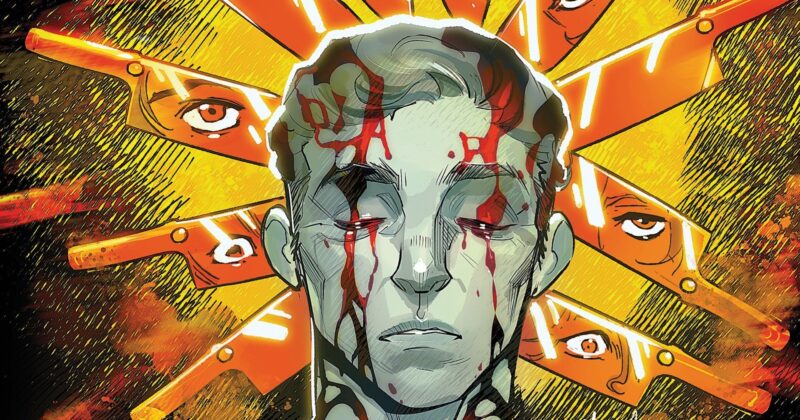
Crime fiction in comics is having a renaissance, building on the intricate legacies left by classics and innovators like The Good Asian. IDW’s new imprint, IDW Crime, is setting itself apart immediately by launching with three sharply focused series, each unafraid to challenge convention or commentary:
- Seven Wives — Launching the line, this intense, three-issue arc by Zoe Tunnell and V. Gagnon is a murder mystery set within a fundamentalist religious sect. Inspired by long-form investigative research and survivor accounts, Tunnell injects rare authenticity, exploring not just the shocking events, but the psychological reality of faith-based isolation. Drawing from real pop culture references like Sister Wives, the series promises a complex look at secrets, power struggles, and human frailty.
- Killer Influences — Joey Esposito and Valeria Burzo present a scathing look at influencer culture through a darkly comic lens: When an aspiring serial killer teams up with a podcaster seeking grisly stories for her audience, it’s less about moral clarity and more about the echoes of internet notoriety. This series dives into the unsettling glamorization of violence and the blurred lines between infamy and celebrity in the social age.
- Fixation — Taking obsession and fandom as its core, Amy Chase and Savanna Mayer’s entry invites readers to confront the sometimes toxic devotion found in fan communities. Expect a narrative that probes the consequences of obsession, both individual and collective.
Behind the Scenes: Creators at the Forefront
Seven Wives stands out thanks to Zoe Tunnell’s methodical approach—digging into cult psychology, bouncing between fictional drama and harsh truths. Best known for the webcomic Blade Maidens and contributions to titles like Marvel Pride, Tunnell notes the difficulty and gravity of representing real-world trauma in a format typically associated with escapism. The creative partnership here ensures both gravitas and immersive storytelling.
On the other hand, Killer Influences thrives on the tension between its characters. Esposito, experienced with genre-bending narratives (including work on Batman), recognizes the psychological dance of making villains captivating—a legacy of crime fiction from Walter White to Dexter. The book refuses simplistic heroes or villains, engaging with the unsettling reality that audiences can find themselves rooting for deeply flawed individuals. Artists like Burzo and Inaki Azpiazu help add the necessary nuance and humanity to these ‘monstrous’ figures—reminding us of the thin line between fascination and revulsion in pop culture.
Why Crime Comics Matter—Now More Than Ever
The return of crime comics is more than a nostalgic rehash. Today’s readers face a world where media, fandom, and identity collide—making stories about transgression, justice, and obsession strikingly relevant. Whether it’s the probing of systemic power structures in Seven Wives, the exposure of internet narcissism in Killer Influences, or the reflection on fan culture in Fixation, IDW is betting that readers crave the kind of story that lingers—and maybe even disturbs.
For comic enthusiasts and newcomers alike, this renewed focus by IDW promises stories that are as layered as they are haunting. Crime comics, once stifled by censors, return not just as curiosity, but as a mirror for our times.