HBO’s Ambitious Harry Potter TV Adaptation: A Double-Edged Spell
The world of streaming TV is about to experience one of its boldest moves as HBO prepares to launch its long-awaited Harry Potter series. The first season, adapting ‘Harry Potter and the Philosopher’s Stone,’ promises fans an immersive return to Hogwarts, with an eight-episode format set to delve deeper into the magical universe than any movie ever could. But as the excitement for the trailer surges, a pressing concern looms over the project’s future — its unpredictable release schedule.
Why HBO Isn’t Promising a Yearly Hogwarts Visit
HBO’s chairman, Casey Bloys, struck a chord with fans when he acknowledged that the series won’t stick to an annual release pattern. The pressure of modern TV, where big-budget prestige series outshine even Hollywood’s largest films, means longer production timelines are now the norm. As Bloys clarified, ‘Our goal is to not have a huge gap… especially because the kids are growing. It’s not going to be an annual; the show is too big and too massive.’ Yet, he left the definition of ‘huge gap’ frustratingly vague.
This ambiguity has sparked anxiety across the fandom. While the ambition to meticulously recreate every Hogwarts hallway detail is admirable, streaming history has taught us that ballooning production schedules can create gaps that erode a show’s momentum — see the multi-year delays of series like Stranger Things. The original Harry Potter films, despite their scale, never left more than a year between releases. Now, with each TV season set to be far denser — at least eight hours long — production complexity multiplies, which naturally feeds skepticism about sustainability.
The Aging Cast Dilemma & Narrative Consistency
The promise of letting a new generation grow up alongside the series, just like the original fans did with Daniel Radcliffe and company, is a core attraction of this HBO remake. But that’s increasingly at risk if the expected delays stretch on. Even under optimistic projections, a gap of just one extra year per season would mean over a decade to complete a seven-season arc. The youthful stars, particularly Dominic McLaughlin as Harry, would inevitably age beyond their book counterparts. For context, he’d be well into his mid-20s by the final chapter — notably older than Radcliffe in Deathly Hallows Part 2.
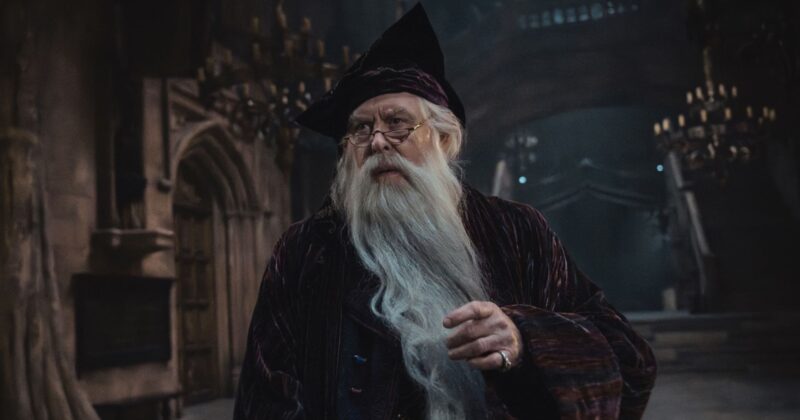
Complicating matters further is the need to potentially recast adult roles should production run into setbacks; for example, veteran actor John Lithgow as Dumbledore is already in his 80s. The challenge is clear: either the show takes shortcuts to stick to a tighter timeline (risking the integrity and magic of the Wizarding World) or it faces the potential pitfall of losing steam between seasons.
High Fantasy Meets Modern Television Pitfalls
Adapting all seven books is an unprecedented commitment, and HBO’s track record for high-quality TV suggests the creative ambition is genuine. Showrunner Francesca Gardiner and directors like Mark Mylod bring both gravitas and genre credibility. However, the modern streaming environment is notorious for forgotten promises and shifting priorities, especially as production costs spiral. The publication infrastructure that allowed the movies to roll out reliably every year no longer exists in a streaming landscape dominated by bigger effects and layered storytelling.
And this problem isn’t unique to Harry Potter. Similar delays have plagued epic franchises across platforms, testing even the most devoted fans. The hope is that technological advances and robust fan engagement will help mitigate some wait times, but the shadow of missed deadlines hangs over every ambitious fantasy serial in the streaming era.
What to Watch as the Wizarding Reboot Unfolds
For now, anticipation for the long-form TV adaptation remains sky-high. Expect the production to face continued scrutiny over release dates, especially as casting announcements and trailers roll out. The stakes aren’t just entertainment — they’re about preserving the shared experience of growing up with Harry, Hermione, and Ron, as well as redefining how sprawling book series make the epic leap to binge-worthy television.
Fans will certainly keep their wands at the ready — hoping the magic of Hogwarts can outlast the ticking clock of TV production schedules and that HBO delivers a saga worthy of the Boy Who Lived.