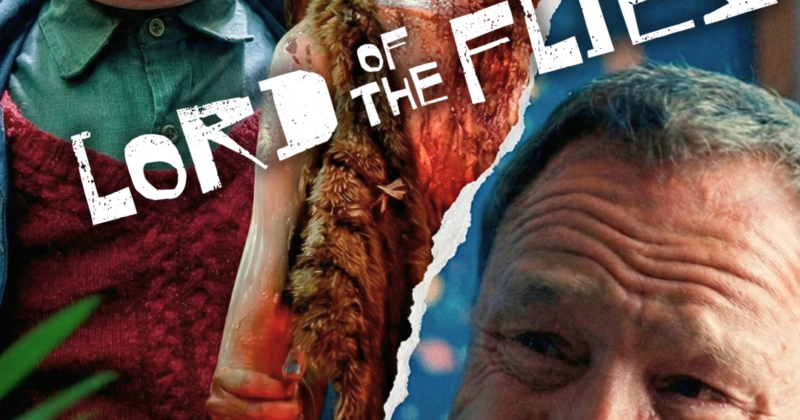
Why Lord of the Flies Still Resonates: Exploring the Unchanging Darkness of Human Nature

Lord of the Flies: A Timeless Exploration of Human Nature
It’s rare for a mid-century novel to maintain not only its cultural relevance but also its raw ability to unsettle audiences decades later. Lord of the Flies persists as a staple in both pop culture and academic circles, thanks to its unflinching gaze into humanity’s darker instincts. Few narratives so deftly weave themes of order, chaos, and the primal need for survival—all under the guise of an allegory featuring a group of stranded children.
Why the Story Still Cuts Deep
At its core, Lord of the Flies is a confrontation with the unchanging basics of human behavior. When a group of boys finds themselves isolated from society, their attempts to establish civil order rapidly deteriorate. The story’s grip comes from its refusal to sugarcoat: the civilized masks peel away, and what emerges is not noble, but raw and often violent. The age of the characters—a detail that might suggest innocence—serves only to heighten the impact. While so much of popular media leans on external threats, this novel and its adaptations remind us the real danger can lie within our own minds and social instincts.
The Enduring Themes: Survival, Order, and Chaos
What keeps Lord of the Flies at the frontline of discussions in literature, film, and contemporary TV is its exploration of the push and pull between structure and anarchy. In recent years, everything from Yellowjackets to The Society has borrowed cues from this narrative. Stories about fractured groups fighting for survival now fill the streaming landscape, reflecting back on audiences their own fears about society’s potential to unravel. It’s not just about setting or age; it’s a dynamic that feels increasingly poignant in a world where technology and social change continue to shake the boundaries between stability and chaos.
Human Nature, Power, and Modern Parallels
The symbolism within Lord of the Flies—the conch shell, the beast, the shifting alliances—translates seamlessly into modern discussions around leadership, groupthink, and the ways humans relate to power. The story’s warning persists off the page as well, often surfacing in debates about the impact of social media, gaming toxicity, and online communities that sometimes echo the very descent into tribalism highlighted by the novel.
For fans of contemporary epic storytelling, from dystopian games to dark coming-of-age series, the DNA of Lord of the Flies is easily traced. Its widespread impact spans from video game narratives, like those in The Last of Us, to survival-centric titles such as The Forest. Even in the resurgence of post-apocalyptic and socially critical cinema, the questions raised by Golding’s classic echo louder than ever: What part of our humanity do we lose first when the world falls apart—and is that loss inevitable?
Why the Conversation Won’t End Soon
Ultimately, the darkness and clarity of Lord of the Flies guarantees its continued relevance. As long as we debate the essence of human morality, leadership, and the fragility of social contracts, this story—and the questions it asks—will never feel old. It’s this brutal timelessness that cements its position not just as required reading, but as a crucial touchstone in how modern media explores the extremes of who we can become when left to our own devices.