Fantasy TV Shows That Truly Hit Their Stride After Season 1

Why Season 1 Is Just the Beginning for Fantasy TV
Fans of fantasy television know that sometimes the first season only scratches the surface of what’s possible. While some series launch with a strong, immersive world, others use their first batch of episodes to lay the groundwork: constructing lore, developing main characters, and slowly introducing the forces at play. After this foundation, these shows often undergo striking evolutions, revealing new depths, better pacing, and braver narratives that keep genre lovers hooked—sometimes for years.
Avatar: The Last Airbender – A Tale That Matures With Its Heroes
The opening act of Avatar: The Last Airbender offers viewers a blend of lighthearted exploits and whimsical adventures, complete with the basic mechanics of elemental bending and a sketch of the Fire Nation’s threat. However, it’s with its second season that Avatar embraces its true ambition, deepening character arcs and dramatically intensifying the narrative stakes. The Ba Sing Se arc not only shifts Zuko from villain-in-training to one of television’s most compelling antiheroes, but also brings the war’s emotional toll and questions of morality to center stage. This commitment to growth—both narrative and emotional—is precisely why the show became a repeat favorite and award-winner, elevating itself far beyond the typical animated series.
The Vampire Diaries – From Teen Drama to Supernatural Epic
At first glance, The Vampire Diaries feels like another teen-focused supernatural soap, with Mystic Falls’ dark secrets explored through a mix of flashbacks and angsty love triangles. Yet, as the show moves into subsequent seasons, it rapidly expands its mythology. The arrival of immortal Originals, the enigmatic Klaus Mikaelson, and layered conflicts between vampires, werewolves, and witches push the boundaries of its genre. By weaving in intricate plots and gradually shifting focus from teenage intrigue to powerful supernatural legacies, the show found its true voice, especially as storylines like Stefan’s past as a ‘Ripper’ and the town’s endless battles with ancient curses took center stage.
His Dark Materials – World-Building With Purpose
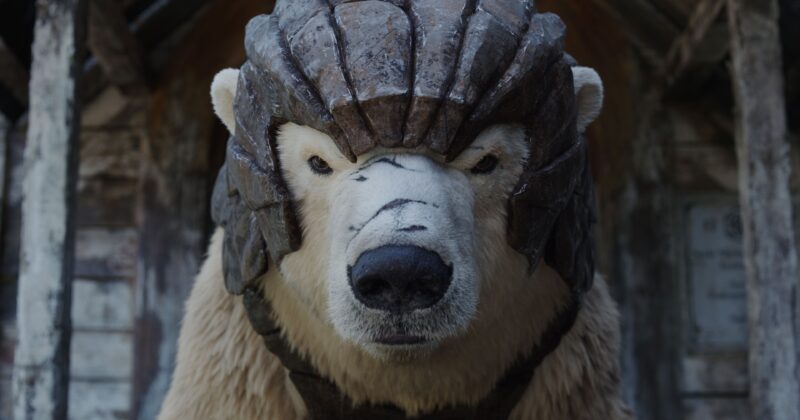
Unlike previous adaptations, HBO’s His Dark Materials masterfully balances meticulous world-building with narrative momentum. The first season is a slow burn, meticulously establishing the rules—daemons, Dust, and a subtly oppressive Magisterium—while introducing audiences to Lyra’s journey. From season 2 onward, the story broadens, introducing Will Parry and the mysterious city of Cittàgazze, and eventually delving head-on into cosmic, metaphysical conflict. The production’s courage to present challenging themes—rebellion against authority, the cost of free will—without compromise, especially in its unapologetically bittersweet conclusion, marks it as a modern fantasy benchmark.
The Legend of Vox Machina – Leveling Up Story and Animation
Drawing from the critical acclaim of live-streamed tabletop RPGs, The Legend of Vox Machina makes its debut with a mix of irreverent comedy, gothic horror, and rapid-fire world establishment. However, subsequent seasons show the creators’ increased confidence and technical skill—both visually and narratively. The rise of the Chroma Conclave brings high-stakes action, with animated set pieces that push the limits of what adult fantasy can look like. Emotional subplots—Pike’s crisis of faith and the sibling trauma of Vax and Vex—find room to breathe alongside epic dragon battles. This blend of spectacle and depth has secured more seasons and a passionate fan base.
Angel – Darker, Deeper, and Far From Procedural
Spinning off from Buffy the Vampire Slayer, Angel first presented itself as a supernatural procedural, dealing with one-off cases that rarely carried lasting impact. This changes quickly as the show’s structure shifts: the corrupt law firm Wolfram & Hart emerges as a persistent nemesis, and long-running story arcs force Angel and his friends to grapple with redemption, betrayal, and the seductive nature of power. By the time the show questions its heroes’ complicity within evil systems, it has shed any formulaic trappings, offering morally complex scenarios rarely explored so deeply in supernatural television.
Supernatural – Outgrowing the Monster-of-the-Week
Lasting more than a decade, Supernatural is a phenomenon who’s lasting power can be traced to its willingness to reinvent itself. While season 1 plays with urban legends in an episodic format, later seasons embrace ever-more ambitious story arcs: demon alliances, cosmic wars, and the emotional fallout of Sam and Dean’s choices. The series’ evolution is a testament to its showrunners’ ability to balance nostalgia—returning to classic monsters for Halloween nods—with modern storytelling, never shying away from the brothers’ internal struggles or the world-ending catastrophes around them.
Each of these fantasy TV shows proves that first impressions aren’t everything. By investing in expansive world-building, character complexity, and bold thematic risks after their initial season, they deliver some of the most rewarding journeys in contemporary genre television. Whether you’re drawn to inventive animation, supernatural intrigue, or epic adaptations, it’s often worth hanging on past season one—the real magic is just beginning to unfold.