A New Breed of Dystopian Sci-Fi: The Unsettling World of Severance
When most people think of dystopian sci-fi, they picture neon-lit mega cities, rebels against oppressive regimes, or maybe humanoid androids searching for meaning in a rain-soaked future. Severance on Apple TV breaks all those molds, choosing instead a hauntingly familiar setting: the corporate office. In a clever twist, this acclaimed series trades in the traditional aesthetics of Blade Runner and Mad Max for fluorescent overhead lighting and muted business casual. Yet, the nightmare it conjures is every bit as impactful.
What Makes Severance So Exceptional?
With an eye-popping 41 Emmy nominations, Severance is recognized not just for its production values, but also its ability to blur genre lines. The premise is chillingly simple: Lumon Industries, a biotech giant, has pioneered the ‘Severance’ process—a surgical procedure that splits employees’ consciousnesses in two. Work memories are confined to the office, while personal memories exist only outside. The result? Employees become two distinct people, each unaware of the other’s experiences. It’s a black mirror held up to our culture’s obsession with work-life separation, yet escalated to sci-fi extremes.
Corporate Paranoia and Human Cost
The brilliance of Severance lies in how it slowly peels back the layers of its seemingly benign world. At first glance, Lumon’s hallways could belong to any modern company. But as viewers journey deeper with Mark Scout (Adam Scott) and his colleagues, the everyday soon turns sinister. The show’s unsettling tone owes as much to its minimalist art direction as to its pitch-black humor and growing sense of conspiracy. Each episode goes beyond surface-level horror, inviting viewers to question the very nature of identity, consent, and the cost of corporate control. The sci-fi concepts are not just background—they’re the heart of philosophical and moral debates that echo long after the screen goes dark.
Twists, Turns, and the Power of Pacing
Fans of The Twilight Zone or Black Mirror will find much to love here, but Severance refuses to settle for anthology-style shock. Instead, it expands its dark concept across a carefully plotted series arc. The long gaps between seasons—often a source of frustration in the streaming era—become a feature, not a bug. Each hiatus gives audiences time to digest the moral knots and layered mysteries, fueling lively debate across forums, podcasts, and newsletters dedicated to decoding hidden clues and thematic resonance within the show.
A Cast That Delivers, Even Off-Screen
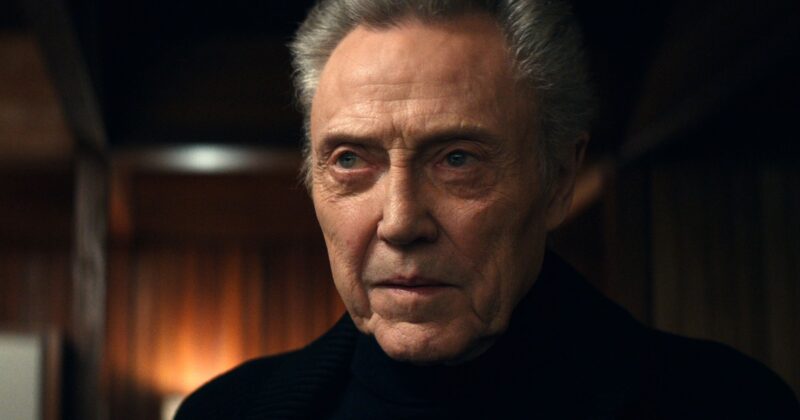
A show this complex demands a powerhouse ensemble, and Severance more than delivers. Adam Scott anchors the series with a quietly devastating performance, surrounded by talent like Britt Lower and Christopher Walken. The demanding schedules of the stars mean longer waits between seasons, but each return is met with feverish fan anticipation. By not rushing, Severance ensures its storytelling remains meticulously crafted, rather than diluted for quantity.
Looking Ahead: Severance and Sci-Fi’s Ongoing Revolution
While dystopian media continues to trend, with upcoming series promising everything from cyberpunk revolutions to fantasy reboots, Severance stands out for its sheer inventiveness. It’s not just a critique of office life or a caution about unchecked technology—it’s a meditation on autonomy and the walls we build around our own minds. As conversations about workplace culture and personal boundaries intensify outside the screen, Severance feels less like speculative fiction and more like a prescient warning welded to a perfectly tuned suspense drama. For those hungry for sci-fi that challenges and disturbs as much as it entertains, this Apple TV original is unmissable.