Why ‘Dark’ Remains One of Netflix’s Best Sci-Fi Series—and How It Mastered the Art of the Perfect Finale

The Art of the Science-Fiction Finale: How Dark Set the Gold Standard
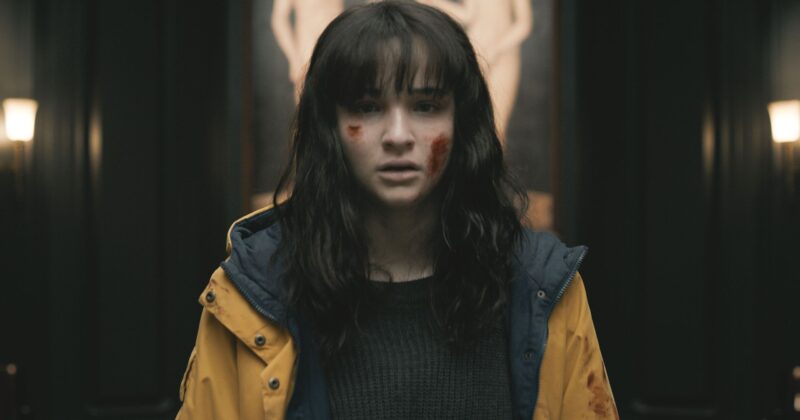
When it comes to mind-bending sci-fi television, few series have balanced complexity and coherence quite like Dark. The German show, conceived by Baran bo Odar and Jantje Friese, has gone beyond traditional genre boundaries, crafting a narrative that is as emotional as it is intellectually demanding. Across three meticulously orchestrated seasons, Dark dives into the fictional town of Winden, where a missing child paves the way for a tangled web of time travel, paradoxes, and existential dilemmas.
The Genius of Winden: Complexity Done Right
Dark is not just a story about missing children—it’s a masterclass in sustained narrative tension. The show quickly pivots from a simple disappearance to intricate revelations involving multiple timelines, with every character intricately linked through family, fate, and time loops. When Mikkel vanishes and is revealed to have traveled back in time, ultimately becoming the father of protagonist Jonas, the series kicks off a cascade of twists that feel both shocking and inevitable in retrospect. Selling audiences on such convoluted logic is a high wire act, but Dark does it with clarity and emotional resonance—a virtue that many sci-fi series strive for, but rarely achieve.
Critical Triumphs and the Art of Ending Well
With a 95% critics’ score on Rotten Tomatoes, Dark has outperformed most of its contemporaries in both audience appreciation and critical praise. Each season managed to escalate the stakes and deepen character arcs without resorting to cheap cliffhangers or plot holes. By the time the finale arrives, viewers aren’t left with unresolved paradoxes or forced sequel bait, but instead with a profound sense of closure. The series wraps the destinies of its central characters in a way that is logical, emotionally charged, and true to its internal logic—a rare feat in serialized science fiction, where the temptation to overextend is often irresistible.
Beyond Happy Endings: The Bravery of Dark’s Conclusion
Dark did not cave to the pressure of delivering a rosy resolution or an unexplained twist to erase its own rules. Instead, the final episode opts for choices that may not be conventionally uplifting but are organic to the journey the show’s characters have taken. This commitment to narrative integrity is what makes Dark a touchstone for discussions about how to end ambitious streaming series—especially in a time when so many shows stumble in their closing moments.
The Invisible Barrier: Language and Audience Reach
One of the few obstacles Dark faced was its German-language origin. In a streaming landscape dominated by English-language hits, international titles often struggle to gain mainstream traction. Language bias and an aversion to subtitles can prevent even the most remarkable series from getting the audience they deserve. Yet, despite this barrier, Dark has steadily built a cult following and earned its place among Netflix’s greats, frequently topping lists of the best non-English series available today.
Slow Burn, Big Payoff
Part of what sets Dark apart from other sci-fi hits is its deliberate pacing. Unlike many modern series that rely on relentless action to keep viewers engaged, Dark uses its measured tempo to let storylines breathe and relationships deepen. It’s a show that asks patience from its audience and rewards them with intricate payoffs and genuine emotional impact. This slower rhythm can be a hurdle for viewers used to the breakneck speed of mainstream science-fiction, but it’s integral to the show’s unique flavor and enduring appeal.
Creative Team and Unforgettable Cast
Much of Dark’s resonance can be attributed to the depth brought by its creative team and cast. Louis Hofmann (Jonas Kahnwald) and Lisa Vicari (Martha Nielsen) anchor a cast whose performances steadily elevate the complex material. Showrunners and key writers like Jantje Friese, Baran bo Odar, and Marc O. Seng orchestrate everything from multi-generational secrets to jaw-dropping timeline convergences without losing either logic or heart.
Still Worth Discovering
For those who crave meticulously constructed stories where every detail matters, Dark remains a must-watch. Its innovative approach to time travel and parallel realities has influenced a new generation of science fiction creators. Whether you come for the cerebral puzzles or stay for the nuanced character arcs, Dark stands as a shining example of what can be achieved when sci-fi storytelling is treated with intelligence, care, and a deep respect for its audience.