Why Fallout’s TV Success Outshines Even The Last of Us in the Streaming Age

Two Post-Apocalyptic TV Titans: Fallout vs. The Last of Us
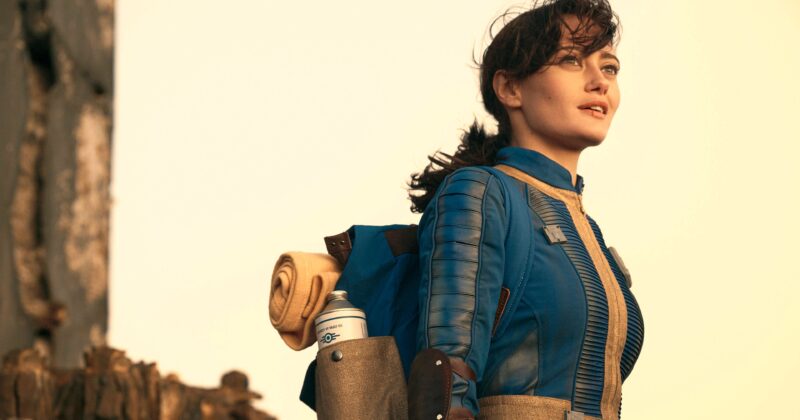
In a landscape crowded with post-apocalyptic fiction, few series have ignited as much conversation as Amazon Prime Video’s Fallout and HBO’s The Last of Us. While both began with impressive receptions, recent developments have positioned Fallout as a new standard for video game adaptations—outshining even its highly anticipated HBO rival.
The Unique Challenge of Adapting Iconic Games
Adapting beloved games is notoriously complex. The Last of Us broke ground by delivering an emotionally rich, cinematic narrative—its first season was almost universally praised, thanks to nuanced performances and a faithful approach to the original game’s story. However, the deeper the series ventured, especially into its second chapter, the more divided the audience became. This split mirrored the real-world debate surrounding the source game’s sequel, making the adaptation process far more challenging for showrunners and creatives.
Fallout, in contrast, avoided these pitfalls by refusing to simply retell existing stories. Under the guidance of showrunners Lisa Joy and Jonathan Nolan, and with a directorial team including Frederick E. O. Toye and Stephen Williams, the series expands the videogame universe rather than echoing it scene for scene. Instead of retreading familiar ground, each episode explores fresh scenarios, tapping into new corners of the wasteland—something longtime fans and newcomers can both appreciate without getting tangled in comparison wars.
Narrative Freedom and Fan Reception
Many point to Fallout’s lighter, more playful tone as a factor in its broader acceptance among fans and critics. However, the reality is more nuanced. Other attempts at comedy-based game adaptations—like the recent flop of the Borderlands movie—show that style is not enough on its own. What really sets Fallout apart is its anthology-like narrative freedom, allowing for unpredictable twists, new faces, and high-stakes adventures within its already established lore.
This approach means the show never feels chained to the video game’s specific set pieces or expected emotional beats. By embracing creative expansion rather than rigid recreation, Fallout builds on fan nostalgia without undermining it. For viewers, it’s a rare balance of reverence and reinvention.
The Technical Art of Game-to-TV Adaptation
For anyone fascinated by how games make the leap to prestige television, Fallout offers valuable lessons. Fans familiar with the likes of Fallout or The Last of Us know that capturing the spirit of a beloved franchise means balancing audience expectations, world-building, and narrative depth—all while navigating the critical eye of die-hard fans and general viewers alike.
Details matter: the wasteland vistas, mutated wildlife, and quirky survivor settlements aren’t just window dressing—they’re staples of Fallout’s identity. In choosing to expand rather than replicate, the series capitalizes on the franchise’s wild, unpredictable energy and lore-rich universe. This is a creative gamble that’s paid off where other adaptations have stumbled.
Streaming, Storytelling, and the Future of Video Game Adaptations
With Fallout now setting a high bar, it’s clear that the future of video game adaptations lies in intelligent, daring reinvention rather than risk-averse retelling. The show’s critical and fan response proves that tapping into a universe’s potential—not just its most iconic storylines—can lead to a richer, more resonant streaming experience.
For viewers seeking immersive worlds and unpredictable narratives, Fallout stands as a reminder that adaptation thrives on creativity, not just nostalgia. As the streaming wars continue, only the boldest approaches will survive in the irradiated wastelands of modern pop culture.