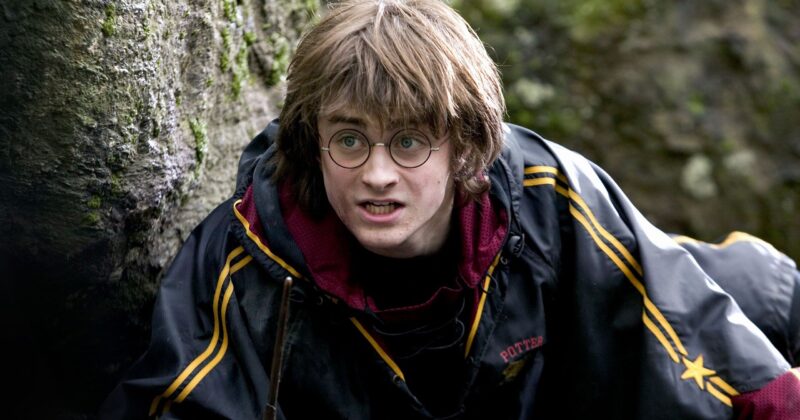
Harry Potter Heads to TV, Game of Thrones Conquers Cinema: The Bold Switch Shaking Up Two Iconic Franchises
Two Giants Trade Mediums: The Surprising Switch of Harry Potter and Game of Thrones
Few universes have captivated fans as completely as the Wizarding World of Harry Potter and the sprawling lands of Westeros in Game of Thrones. Both franchises have redefined genre storytelling, amassed massive followings, and created pop culture moments that linger long after their credits roll. Now, in a move that has electrified fans and industry insiders alike, both worlds are boldly swapping their traditional formats—Harry Potter embraces episodic television, while Game of Thrones finally makes its leap to the big screen.
Harry Potter: The Wizarding World’s TV Era Begins
After enchanting millions across eight blockbuster films, the world of Hogwarts and magic is being reimagined for television. The fresh adaptation goes back to the roots, focusing on the original novels and promising to deliver the kind of faithful, scene-for-scene detail that time-limited movies simply couldn’t pull off. The debut season, already drawing attention with its teaser featuring newly cast leads Dominic McLaughlin as Harry, Alastair Stout as Ron, and Arabella Stanton as Hermione, will span eight episodes and dives deeply into the events and subtle nuances of Harry Potter and the Philosopher’s Stone.
This new TV adaptation is more than just a retelling; it’s a decade-spanning project. Warner’s ambitious plan is to allocate a season for each book, allowing for a narrative that aligns closely with J.K. Rowling’s original world. By finally giving screen time to beloved subplots and underexplored characters, the show aims to excite longtime fans and attract a new, younger audience who may have missed out on the original films or books. Don’t expect familiar faces here—the cast is completely new, signaling a clean slate and a fresh vision for the iconic franchise.
Early previews have already showcased scenes meticulously omitted from the films, including detailed classroom dynamics, common room camaraderie, and magical mishaps straight from the page. For fans who have debated the merits of book-versus-film for years, this is a monumental moment; it’s a chance to see a properly faithful adaptation and experience the Wizarding World through a more expansive, serialized format.
Aegon’s Conquest: Game of Thrones Emerges on the Silver Screen
Game of Thrones, having dominated television and sparked heated fan debates over its final seasons, is set to conquer new territory. While audiences have seen Westeros through the layered, slow-burn storytelling of TV—first through the main series and then prequels like House of the Dragon—the franchise is turning its attention to feature films, starting with Game of Thrones: Aegon’s Conquest.
This film will tackle the Targaryen dynasty’s legendary rise, a foundational mythos from George R.R. Martin’s lore chronicled in Fire & Blood. The jump to film isn’t just a change in format; it’s a statement that Game of Thrones can deliver the scale, spectacle, and emotional impact of its battles and intrigues in a concise, visually intense cinematic experience. The story’s grandeur—dragons reclaiming Westeros, political betrayals, sweeping landscapes—demands the immersive power only the big screen can offer. With this move, the franchise not only revisits its roots but aims to set a new standard for fantasy cinema, all while drawing connections to its established TV universe.
Why the Format Flip Matters: Opportunity and Risk
This momentous exchange isn’t just about corporate strategy; it’s about creative potential. After the lukewarm reception to the Fantastic Beasts films, Harry Potter’s return to long-form storytelling is the refresh the franchise needed. As every fan knows, each Potter book contains plenty of magical details and nuanced emotion, much of which was trimmed in the transition to film. With television, there is room for deeper character development, multi-layered storylines, and a chance to adapt fan-favorite literary moments—think Marauders’ secrets or lost chapters of Hogwarts history.
On the flip side, after three highly acclaimed TV shows, Game of Thrones is ready for a high-stakes, self-contained romp. The format switch allows for big-budget spectacle and a focused narrative arc, reminiscent of how fantasy epics like The Lord of the Rings reshaped cinematic expectations. Fans can expect legendary dragons, daring conquests, and the doomed passions that have always set this franchise apart, but on a scale renewed by cinematic storytelling.
The Bright Horizon for Fandom and Storytelling
Switching formats allows each franchise to address its unique storytelling needs: Harry Potter’s books gain the breathing room of episodic TV, while Game of Thrones distills its war-torn, dragon-filled drama into a format designed to stun audiences in theaters. If both projects hit the high bar set by their predecessors, the next chapters in these universes may well redefine what audiences expect from genre adaptations on any screen—big or small.