The Contours of Power: Homelander’s All-New America
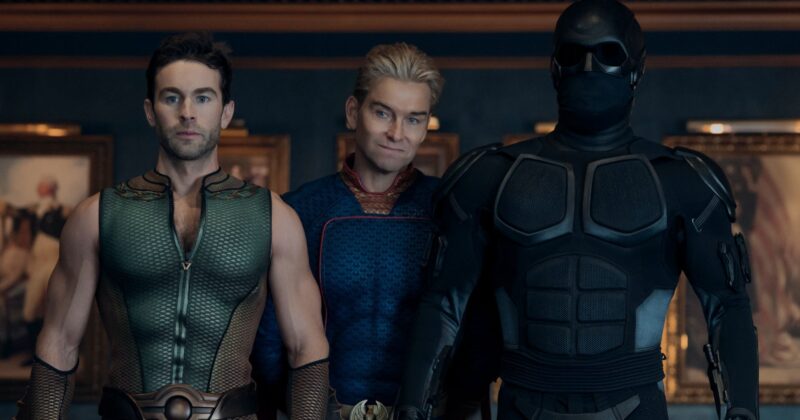
When The Boys Season 5 opens, the world feels darker and colder. Homelander, now the nation’s de facto leader, has consolidated his hold over the U.S. through a puppet presidency. With his unchecked power, he transforms political dissidence into terrorism with the stroke of a word, setting up “Freedom Camps” and instilling widespread fear. His regime distorts justice and liberty, matching the show’s core themes of corrupted power and hero worship run amok, with all the chilling spectacle fans have come to expect.
Kimiko Finds Her Voice—Literally
After seasons spent in silence, Kimiko stuns friends and foes alike: she’s speaking full sentences. Therapy—both for trauma and speech—has empowered her to reclaim her voice, and a little help from TikTok added a modern twist to her recovery journey. This new era for Kimiko hints at fresh dynamics, alliances, and the very human need to heal even in the most chaotic of worlds.
The Mystery of Ryan’s Disappearance
The fate of Ryan, Homelander’s super-powered son, looms large. His rejection of both Homelander and Butcher sent him off the grid, missing through the yearlong gap. His absence is especially worrying, as he’s one of the few Supes who could challenge Homelander’s rule. The void he leaves behind heightens the stakes, making every rumor or whisper about his return a major plot tremor for the new season.
Indoctrination and Transformation: The Boys in Captivity
Fans watched in horror as Hughie, Frenchie, and Mothers’ Milk (MM) were dragged off to Freedom Camps after the previous season’s chaotic finale. This year in captivity leaves deep scars: MM emerges with an addiction, Frenchie finds sobriety after seasons of struggle, and Hughie is newly hardened, more sure-footed in danger and leadership. Their personal changes ripple into the group’s strategies and relationships, marking the trio’s escape as much an emotional as a physical liberation.
Ashley’s Double Life: Superpowers and the Vice Presidency
Ashley, always desperate to survive in Vought’s brutal hierarchy, finally took Compound V—catapulting her into Homelander’s good graces and the vice presidency. Her powers are bizarre: she’s grown a second face with mind-reading abilities and a uniquely righteous conscience. This grotesque twist serves as grim satire of both corporate ambition and political doublespeak, putting Ashley in a powerful yet precarious spot in Homelander’s new world order.
Breakdown and Betrayal Among the Supes
Firecracker’s loyalty to Homelander once seemed unshakeable, even producing breast milk for his unsettling cravings. When she becomes physically unable to continue, her value to Homelander plummets, despite her unmatched talent for Vought-sanctioned propaganda. This subtle character shift exposes the transactional nature of power and affection in the Supe inner circle.
Rebellion Sparks: Starlight and A-Train Take a Stand
Starlight, always the moral heart of the show, galvanizes her supporters into an organized rebellion. With A-Train at her side—after his notorious betrayals—this alliance signals both growth and new fractures in the Vought-dominated world. Starlight harnesses the legacy of the Starlighters, transforming disillusion into outright resistance, and turning once-symbolic fandom into real opposition.
New Faces in the Resistance: Marie Moreau Steps Up
From Gen V’s breakout success, powerful Supe Marie Moreau enters the fray. As Starlight and A-Train expand the rebellion, Marie and her allies add muscle and mystery, blurring the lines between main show and spinoff continuity. Her presence is not just a treat for fans of the wider Boys universe—it’s a reminder that in this world, new powers and old grudges are always just around the corner.
Conclusion? Not Here—Just More Conflict Ahead
The Boys universe thrives by turning expectations upside down. This one-year time jump isn’t just a narrative device—it’s a seismic shift that leaves every character more complex and every allegiance more fragile. The threads laid bare in this gap promise brutal confrontations, unexpected alliances, and the kind of drama that’s made the series a must-watch for fans of superhero deconstruction and antihero storytelling alike.