Fargo on Hulu: A Crime Thriller That Defines Modern Television Mastery

The Modern Struggle: Originality in the Age of Endless Adaptations
The television landscape has gone through a notable transformation in recent years. Networks and streaming platforms across the board are obsessed with recognizable intellectual property (IP), often favoring projects tied to bestselling novels, classic films, or sprawling comic universes. From the critically acclaimed The Last of Us to an ever-growing roster of Marvel adaptations on Disney+, it’s rare for anything wholly original to break into the mainstream conversation. Yet, nestled among these IP-heavy offerings are a handful of bold experiments—rare gems that defy the safe path while still playing with familiar ingredients.
Fargo: From Coen Brothers’ Classic to Remarkable TV Series
When FX announced they were turning the Coen brothers’ Oscar-winning film Fargo into a television series, skepticism was immediate. The original film is lauded for its singular vision—a pitch-black crime story seen through the lens of small-town midwestern quirks and chilling violence. Adapting it for TV was a daunting challenge, given how often attempts to replicate the Coens’ offbeat style fall flat.
However, with Noah Hawley at the helm, what viewers received was not a carbon copy, but a wildly inventive reimagining. Instead of regurgitating the familiar, Hawley infused the show with the Coens’ signature dark humor and peculiar charm, developing an anthology format where each season unfolds with fresh characters, settings, and timelines. The show’s success wasn’t just in following the film’s tone, but in using it as a springboard for new stories about crime, fate, and the banality of evil lurking behind picket fences. Viewers discovered that the everyday lives of Fargo’s suburbanites could be a fascinating vantage point to explore high-stakes criminal intrigue.
Ensemble Performances, Unpredictable Storytelling
One of the hallmarks of Fargo is its revolving cast, allowing each season to feel distinct yet connected by the thread of moral ambiguity and absurdity. The first season, boasting standout performances and razor-sharp scripts, captivated audiences and critics alike. It set a high bar, but follow-up seasons didn’t merely rest on those laurels.
Season two arguably took the show’s emotional resonance and surreal touches even further—complete with UFO sightings interwoven into its Cold War-era plot. Meanwhile, even when seasons three and four stirred debate among fans, the series maintained a level of quality that eludes most anthology counterparts. For instance, Ewan McGregor’s dual performance as feuding twins became a series highlight, demonstrating the ambitious risks the series is willing to take with its characters and structure.
A Return to Form with Season Five
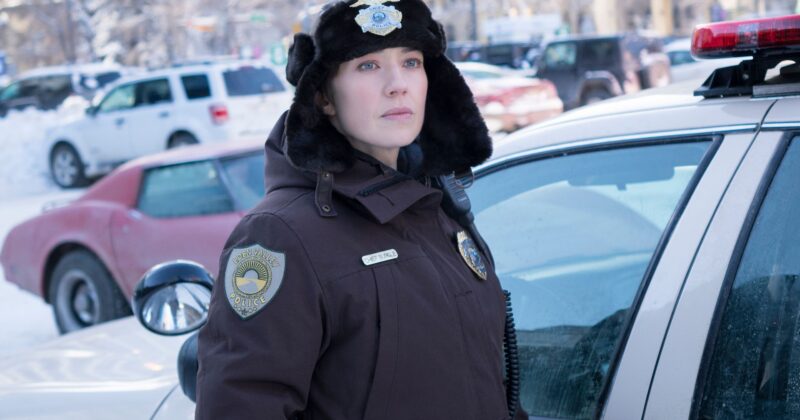
The most recent season delivers a clever twist on the original film’s premise. Instead of replaying the story of Jerry Lundegaard as the desperate, hapless orchestrator of his wife’s kidnapping, the show re-envisions her as a formidable, gun-toting protagonist battling not just external threats, but her own shadowy past. This creative gamble injects the series with a new surge of adrenaline, proving that even after multiple seasons, Fargo can surprise—without abandoning what made it beloved in the first place.
The Anatomy of a Modern Masterpiece
It’s Fargo’s tireless reinvention and unyielding commitment to Coen-esque storytelling that earn its reputation as a modern television masterpiece. Yes, the IP-obsessed era has produced its share of uninspired spin-offs and reboots, but Fargo is a vivid reminder that even in the age of endless adaptation, there’s room for creativity and risk-taking. The series stands as a benchmark for how classic stories can be transformed, deepened, and re-examined in the hands of visionary showrunners and fearless casts. Rather than resting in the shadow of its cinematic source material, Fargo confidently stakes out its own place in the pantheon of must-watch TV crime thrillers.