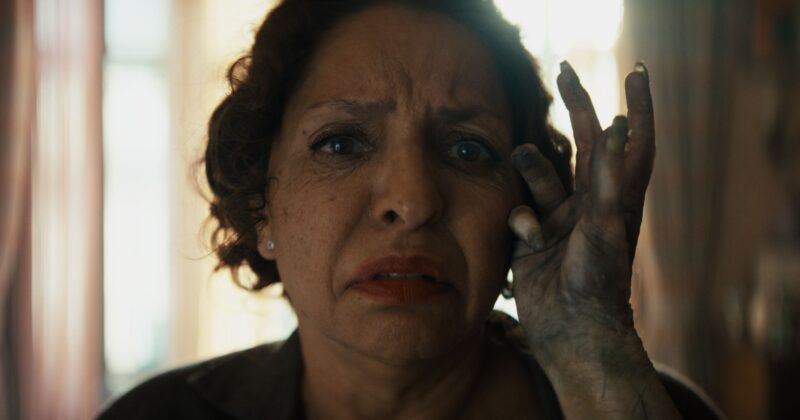
The Mummy Review: Lee Cronin Revives a Classic Monster With Hardcore Horror

A New Chapter in Cinematic Horror
It’s never simple to reinvent a monster as iconic as the mummy. Defined by ancient Egyptian myth and a load of recognizable bandages, any deviation risks losing the creature’s chilling essence. Yet Lee Cronin steps up with a bold take, holding tight to classic lore while fearlessly infusing inspiration from modern horror giants like Evil Dead, The Exorcist, and even Hereditary. Instead of delivering another dusty rehash, Cronin crafts something that pulsates with suspense and a primal sense of fear that feels fresh in today’s horror landscape.
Plot With Real Emotional Stakes
The premise is straightforward but potent: Eight years after their daughter Katie mysteriously vanished in Egypt, Americans Charlie (Jack Reynor) and Larissa (Laia Costa) are shocked when she’s found alive—though barely. Katie emerges horribly disfigured, wrapped in ancient cloth, and deeply traumatized. As the family brings her home to Albuquerque, the emotional reunion swiftly unravels into a nightmare. Katie’s presence triggers a wave of terror that shakes the family’s core, grounding the story with emotional gravity that transcends the usual monster-movie shocks.
The film wisely avoids treating Katie’s abduction as just another horror mystery. Early scenes introduce audiences to the family dynamic before the tragedy, making the eventual horror cut deep. Cronin reveals why Katie is targeted and shows us the terrifying abduction from multiple points of view, especially through her father’s desperate eyes. It’s a strategy that pays off, trapping the viewer in the family’s tension as supernatural events escalate.
The Power of Suspense and Sensory Horror
Much of the film’s tension thrives in the anticipation before the scares. Cronin expertly manipulates our senses—a sudden whine from charging camera flashes, the relentless chattering of Katie’s teeth—triggering genuine dread as scenes approach their breaking point. There’s a palpable energy in how Cronin uses editing and sound, whether through clever split diopter shots or simply the juxtaposition of reaction and shock. In these moments, the horror feels oppressive and personal, amplifying every gasp and flinch from the audience.
Stellar Performances Heighten the Realism
Among the cast, May Calamawy stands out as Detective Zaki from Cairo. Her limited screen time leaves a strong impression, portraying a resilient investigator haunted but undeterred in her search for truth. One particularly suspenseful scene — a highlight for anyone craving more gritty detective horror — demonstrates Calamawy’s knack for realism and emotional intensity. Even without extended backstory, her character’s physicality and presence bring an added layer of immersion to the film’s grounded moments.
Family Under Siege: A Modern Horror Theme
The real terror in The Mummy isn’t just the ancient curse; it’s the disintegration of familial bonds. As Cronin did with Evil Dead Rise, themes of corrupted kinship take center stage. Here, a child becomes both the victim and the vector of terror, flipping the script on traditional horror dynamics. The horror isn’t just about what comes from the tomb, but what seeps into the family home, with devastation both physical and emotional. It’s a thematic choice that gives the film its haunting power and relatability.
Mixing Dark Humor With Gore: Cronin’s Signature Blend
For all its chilling atmosphere, the film doesn’t shy away from injecting dark humor and moments of pure, grotesque fun. Some sequences echo the outlandishness of Cronin’s prior work, with absurd gore and sick laughs counterbalancing the oppressive dread. Analog media—creepy cassette recordings, sinister videotapes—anchor the scares with a tactile unease, making each set piece and shock linger longer in the mind.
Where The Mummy Stumbles: A Shallow Mystery
Not everything in The Mummy hits as hard as its horror beats. The story teases depths that aren’t quite realized, especially as the mystery thins out before the finale. As the film races towards a chaotic, all-bets-off climax, there’s a sense that its narrative secrets were spent too early. While it doesn’t derail the thrill ride, it may leave some viewers wishing for just a little more complexity to match the movie’s expert craft.
Why This Mummy Matters in Modern Horror
What makes Cronin’s The Mummy a standout is not just its creature reimagining but its commitment to character and craft. With intelligent sound design, daring performances, and a director unafraid to toy with expectations, this film repositions the classic monster as a figure of real terror—not just nostalgia. Horror fans watching in theaters will squirm at both the pain on screen and the skill behind the camera, making it a can’t-miss entry in contemporary horror.