Barbara Crampton: The Enduring Force Transforming Modern Horror

Barbara Crampton: A Legacy Reinvented for a New Era of Horror
For decades, Barbara Crampton has been a touchstone for fans of supernatural chills and psychological terror. Bursting onto screens with her early work in Days of Our Lives and forever cementing her genre status with the cult-favorite Re-Animator, Crampton has continually pushed boundaries, both in front of the camera and behind the scenes. Now, her bold ambition is nothing less than to become the Betty White of horror—an enduring, beloved presence capable of redefining what it means to be a legend in one of cinema’s most challenging genres.
An Unbreakable Core in Genre Storytelling
Rarely content to play stock victims, Barbara Crampton has fiercely advocated for the depth and realism in horror performances. While fans frequently request her to revisit her iconic screams, Crampton resists the reductive label of «Scream Queen.» She puts it succinctly: being a horror actor is demanding—the characters are thrown into visceral, life-or-death situations that demand genuine emotional grounding. As she states, the job involves far more nuance than simply running, screaming, or dying on cue; the story must feel painfully real to resonate.
Transitioning Into Comedy and Embracing Versatility
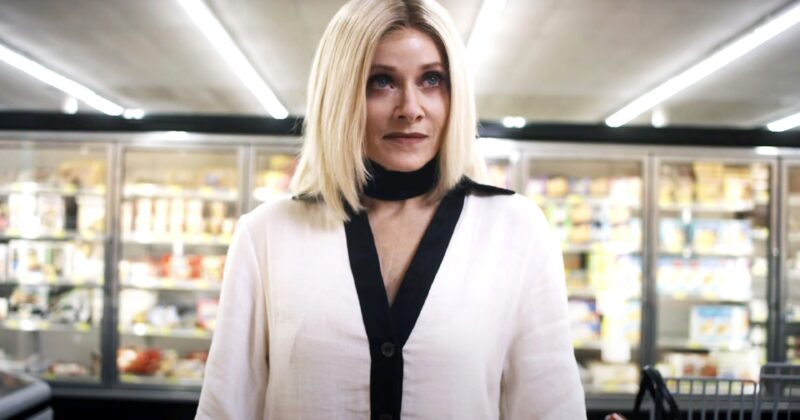
Although Crampton built her reputation on serious, high-stakes roles, recent years have seen her exploring lighter, comedic territory within the horror scene. Earlier in her career, there was a tendency to protect the drama of her craft, but she now finds freedom in self-parody and comedic timing—much like Betty White’s pivot to comedy led to mainstream adoration. In films like Jakob’s Wife, she expertly melds midlife crisis with pitch-black, vampiric humor, earning industry accolades and introducing new layers to horror protagonists.
The Evolution from Leading Lady to Genre Personality
Her filmography is a rich tapestry: beyond Re-Animator and From Beyond, Crampton has graced fan-favorites like You’re Next, lent gravitas to chilling indies such as We Are Still Here, and even parodied her genre roots in sitcoms like The Nanny. This diversity has only blossomed as she’s transitioned into producing, an arena where her curated taste is spotlighting boundary-pushing horror. With credits like Glorious and Suitable Flesh—the latter reimagining H.P. Lovecraft’s classic for contemporary audiences—Crampton amplifies new voices and invigorates classic stories for horror’s expanding fanbase.
From the Silver Screen to Interactive Horror
Crampton’s prolific influence extends into digital realms as well, with contributions to projects like Texas Chainsaw Massacre by Gun Interactive and the beloved Creepshow series. Her presence in video games and episodic horror cements her reputation as a culturally relevant touchstone for each new generation of horror aficionados.
Charting the Future: A Blueprint for Enduring Relevance
The Crampton renaissance is defined by openness: to age on screen, to experiment with tone, and to warp the expectations of what a modern Final Girl or matriarchal figure looks like. She is not fixated on the past—or stuck in any genre pigeonhole. Instead, she actively dismantles stereotypes and paves the way for actresses in horror to show all facets of the human experience, be it terror, resilience, or sardonic wit.
The story of Barbara Crampton is ultimately a testament to horror’s power as a career-long playground for creative reinvention. Through humor, pathos, and a willingness to embrace both the dark and the delightful, Crampton isn’t just aging onscreen: she’s ensuring that the genre itself matures and thrives right alongside her.