The Anticipation and Legacy of Game of Thrones’ Debut
Game of Thrones, once hailed for revitalizing epic fantasy on television, opened with a promise few series could match. Its adaptation of George R.R. Martin’s renowned yet incomplete saga instantly set the bar high for world-building, character complexity, and unpredictable storytelling. But returning to the inaugural episode with modern hindsight uncovers nuances and hard truths that echo through pop culture and fandom alike.
The Icy Mystery of the White Walkers
The visually striking introduction north of the Wall remains a chilling opener. Those first scenes with the White Walkers and Wights signaled a mythic threat lurking beyond the politics of Westeros. HBO’s decision to release this prologue ahead of airing showed faith in its power to hook viewers. In retrospect, what was poised as an escalating supernatural menace ends up an unfulfilled promise. The Night King’s defeat in later seasons is abrupt compared to the intricate setup, leaving the dread of these ancient creatures partially unexplored, especially after years of narrative investment around Valyrian steel and Jon Snow’s fate.
Daenerys Targaryen’s Early Portrayal: A Difficult Watch
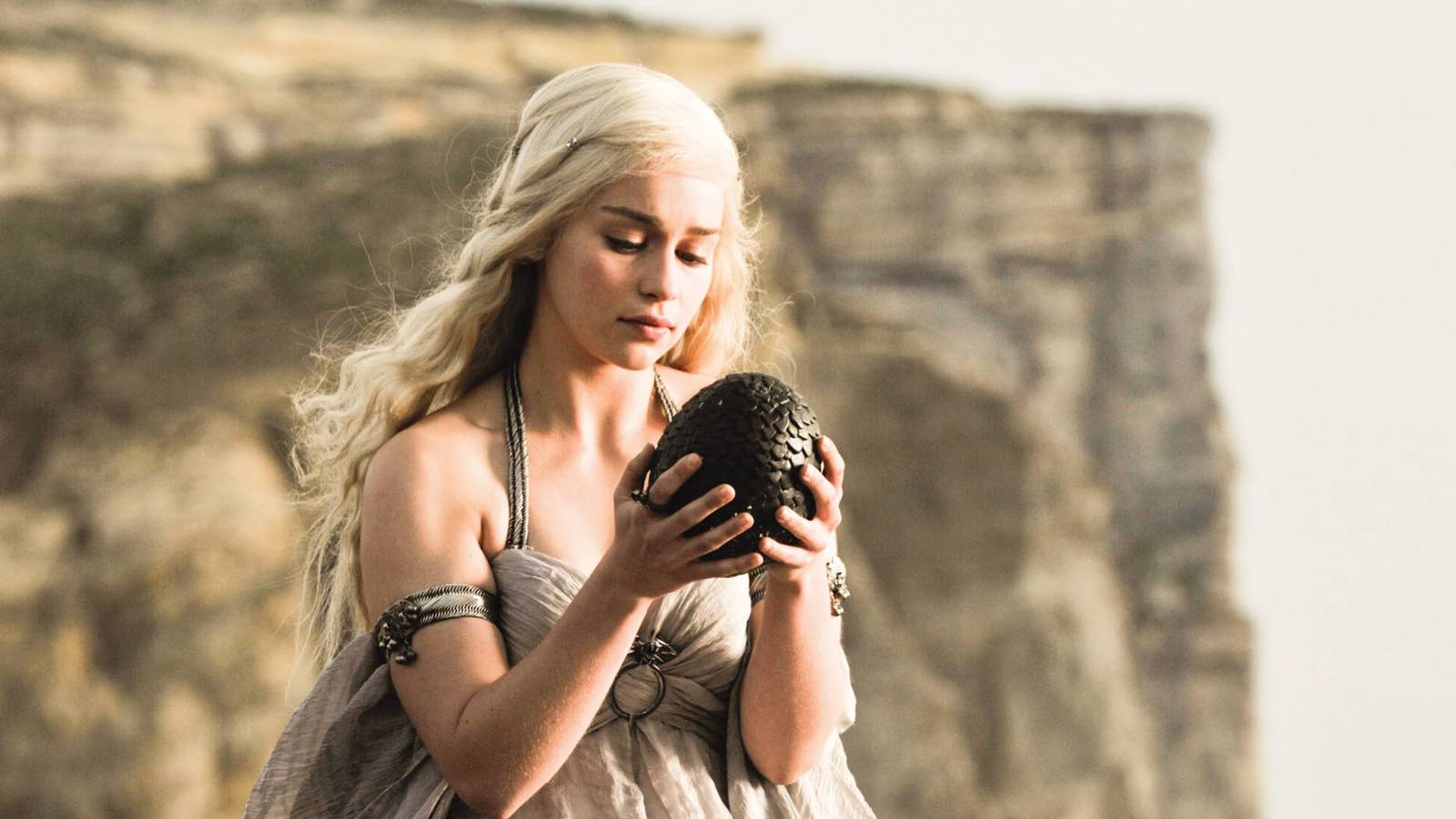
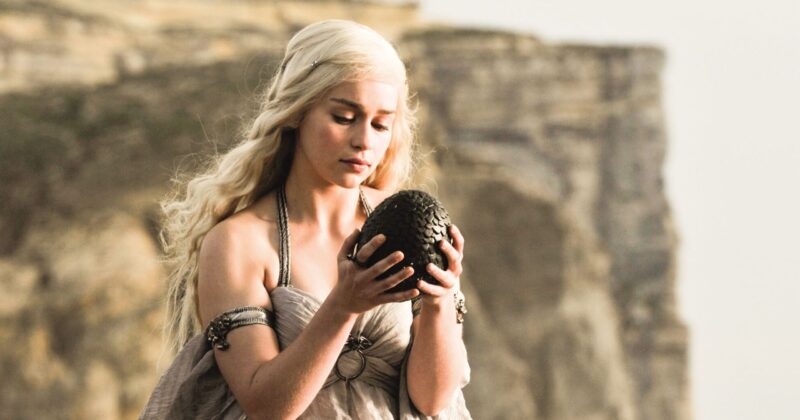
Rewatching Daenerys’ season 1 scenes, it’s impossible to ignore how the framing leans heavily on “sexposition.” Emilia Clarke’s earliest appearances often prioritize shock value and nudity, overshadowing what would become one of television’s most debated character arcs. The viewer’s discomfort is heightened knowing the behind-the-scenes challenges faced by Clarke, including her own later efforts to set professional boundaries on set. These directorial choices, initially intended to illustrate Daenerys’ lack of agency, now prompt scrutiny regarding consent and storytelling priorities in major productions.
Youth and Untested Talent: A Gamble That Paid Off — Mostly
Casting so many young actors in pivotal roles was always a calculated risk. The show’s adaptation aged up certain characters but still required years of sustained performance from newcomers. Jack Gleeson’s Joffrey became an emblem of villainy, so much that he famously withdrew from acting after intense public backlash. By contrast, many of his co-stars did not see their profiles rise equally, and some, like Isaac Hempstead Wright (Bran), faced harsh critiques as the narrative focus on their roles faded or became more abstract.
The Stark Family’s Singular Moment
For devotees of tragic storytelling, the pilot’s presentation of the Stark family—briefly united around bonds of loyalty and love—hits hardest on a rewatch. Their fleeting togetherness is the last such moment until much later in the series. This haunting awareness makes the undercurrents of loss and separation far more poignant as the narrative advances, especially when later seasons rarely recapture that sense of home.
The Misleading Symbolism of Wolves and Stags
The near-mythic scene of the dead direwolf impaled by the antlers of a stag screams foreshadowing. On a first viewing, it seems to presage a battle between Starks and Baratheons. Knowing the full saga, however, it’s clear that the true conflict is orchestrated by the Lannisters manipulating events from the shadows. The metaphorically rich imagery loses some potency, as the “lion” is the true apex predator of Westeros’ great houses, a detail that’s patently obvious in hindsight but cleverly disguised in the pilot.
Direwolves: From Beloved Symbols to Background Props
The direwolves, deeply bonded to the Stark children and packed with narrative weight, introduced a mystical thread for book readers and newcomers alike. Yet, as the series prioritizes dragons and larger set pieces, these magical beasts are increasingly sidelined. The practical limitations of CGI and shifting production priorities meant several direwolves simply fade out, robbing fans of one of the saga’s core magical elements.
Ned Stark’s Flaw: Mercy or Misjudgment?
Ned Stark is often remembered for his tragic idealism, but his critical missteps start from the outset. His summary dismissal of warnings about White Walkers, even as he executes a terrified Night’s Watch deserter, sets the precedent for ignoring supernatural dangers. Had he listened, the course of events for many—including his family and Westeros at large—could have been drastically different.
The Stark Family’s Fragmentation: The Series’ Emotional Core
As soon as the royal visit ends, the Stark family is splintered. The subsequent journeys of Ned, Sansa, Arya, Bran, Robb, and Jon form much of the emotional and dramatic DNA of the show. The pain of their separation, and the long wait for even partial reunions, is intensified for anyone who knows just how few moments of peace the family will share again.
Reevaluating Robert’s Rebellion
Robert’s Rebellion, driving much of the early plot, is oversimplified by the characters who lived it and the legends that grew around them. The myth of Lyanna Stark’s abduction is later exposed as a distortion, reshaping viewer understanding of the show’s political and romantic foundation and forcing a reconsideration of every house’s motivations and alliances.
Enduring Lessons for Modern Viewers and Showrunners
The first episode of Game of Thrones is an artifact of modern television: bold, risky, and packed with the weight of expectations. But it’s also a study in what can go wrong even as a show achieves near-universal acclaim and pushes boundaries. Rewatching now, viewers are invited to question how spectacle, adaptation, and the pursuit of audience numbers can sometimes threaten character depth and narrative promises—an invaluable lesson for current and future epic series.