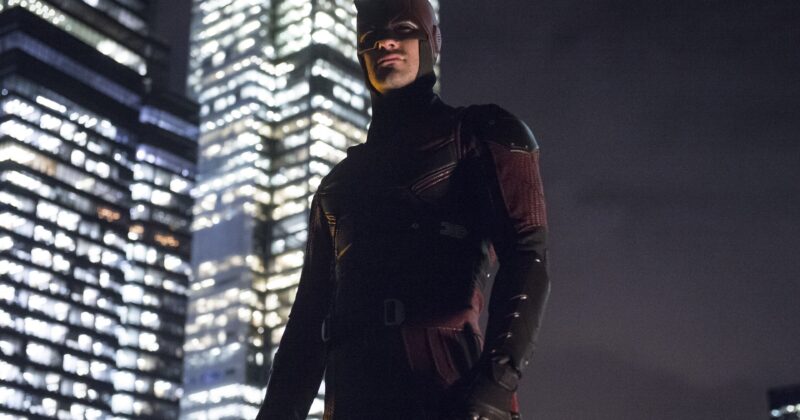
Daredevil’s Long-Awaited Return: The Essence of a Cult Classic Reborn
After years away from the spotlight, the Man Without Fear is reclaiming his place as the centerpiece of street-level superhero drama. With ‘Daredevil: Born Again’ now fully embracing the intensity and complexity of its acclaimed Netflix predecessor, fans are witnessing a revival that’s more than a continuation—it’s a reclamation. The journey back wasn’t linear. Season 1 of the new era drew mixed reactions, largely due to a mid-production overhaul that left its story feeling disjointed, despite flashes of brilliance. But with the arrival of season 2, episode 5, something shifted: the tone, narrative technique, and visual language have finally aligned to recapture the raw spirit of the original series.
Visual and Thematic Synergy: Mirror to Netflix’s Daredevil
This reinvigoration is most palpable through the episode’s deft use of flashbacks, which function on more than one level. Not only do these sequences reconnect viewers to pivotal relationships—like those of Matt and Foggy as fledgling lawyers, and a younger Kingpin seeking both power and love—they’re shot with the same claustrophobic intimacy and saturated color palette that defined the Netflix series. Grittier, darker, and more grounded, these visuals starkly contrast the more fantastical energy of the broader MCU, evocatively placing viewers right back in Hell’s Kitchen.
Even more compelling is how these past moments inform the present storyline. The emotional impact of Kingpin’s heartbreak over Vanessa, for instance, gains weight because we witness the roots of their relationship. On the other side, Matt Murdock’s struggle to forgive Bullseye for Foggy’s murder finds resonance in his memories of Foggy’s humanity and unwavering mercy—a thematic anchor that Netflix’s Daredevil executed with masterful precision. Now, ‘Daredevil: Born Again’ has adopted this narrative device seamlessly, enhancing character decisions and layering in genuine emotional stakes.
The Defenders Reunite: Expanding Netflix’s Legacy in the MCU
The nostalgic return isn’t limited to storytelling style or tone. With Jessica Jones set to join Daredevil in the next episode, the show is making a bold declaration: the Defenders Saga is once again central to Marvel’s televised universe. Jessica Jones was a linchpin of Netflix’s interconnected arc, and her reappearance signals a broader resurrection of beloved characters and dynamics.
Rumors are swirling of Luke Cage and Iron Fist entering the fray in future episodes, cementing the comeback of the entire Defenders lineup. Their involvement will only intensify the urban resistance against Wilson Fisk—elevating ‘Daredevil: Born Again’ from a mere revival to the spiritual continuation fans have craved.
All of these moves point to a series that’s not just leaning into nostalgia, but actively building on it. By respecting the emotional depth, visual style, and interconnected stories that made Netflix’s Daredevil revered, ‘Born Again’ is forging a new chapter that feels intimately familiar yet ambitious in scope—a rare feat in an era of superhero reboots and reimaginings.
Essential Details for New and Veteran Fans
- Showrunner: Dario Scardapane, bringing fresh vision while honoring legacy arcs
- Directors: Aaron Moorhead, Justin Benson, David Boyd, Jeffrey Nachmanoff—trusted with merging character-driven drama and hard-hitting action
- Main Cast: Charlie Cox (Matt Murdock), Vincent D’Onofrio (Wilson Fisk), with major supporting roles soon to emerge
- Genre Touchpoints: Blending crime-thriller motifs, superhero action, and urban drama in a format rated TV-MA for its mature, uncompromising themes
With ‘Daredevil: Born Again’ doubling down on everything that made its predecessor essential, Marvel fans are enjoying a revitalized narrative—one that promises deeper character journeys, heavier psychological stakes, and a visual aesthetic that’s as bold as Hell’s Kitchen itself.