How Aneil Karia’s Vision Transforms Hamlet for a New Generation
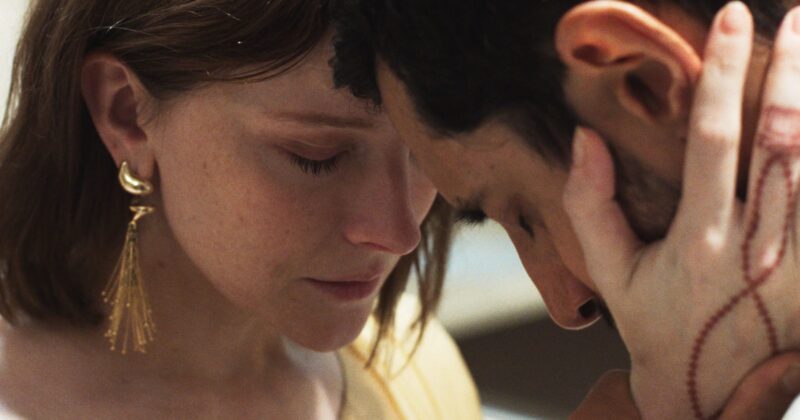
There’s always risk in reimagining Shakespeare, but director Aneil Karia meets the challenge head-on by transporting Hamlet into the vibrant, tension-filled landscape of modern London. This adaptation doesn’t simply update the setting—it brings the play into dialogue with Hindu traditions and funeral rites, coloring every moment with cultural nuance while remaining loyal to the emotional core of the original text.
A Dramatic Shift: Ophelia as Hamlet’s True Confidante
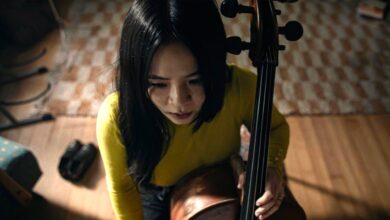
What most sets this new Hamlet apart isn’t just the shifted setting—it’s the inventive choice to merge two of the play’s most iconic supporting characters. Morfydd Clark’s Ophelia is no longer just a tragic love interest. Instead, she also inherits the gravitas and loyalty of Horatio, Hamlet’s classic confidant. This dual role offers a new depth and tension rarely seen in other adaptations.
In the original, Horatio stands as Hamlet’s rock, a steady presence and the sole survivor among the protagonists—a surrogate for the audience’s incredulity and sorrow. Removing Horatio from the film and bestowing his essential traits on Ophelia makes Hamlet more isolated, underlining his spiral into suspicion and perceived madness. The shift is more than artistic; it’s a recalibration of the narrative’s very heart.
Morfydd Clark’s Transformative Performance
Morfydd Clark, known from The Rings of Power, delivers a version of Ophelia that plays off Hamlet’s wit and ferocity, moving away from the passivity so often written into the role. In her early scenes, Ophelia commands attention—her repartee with Hamlet glimmers with old intimacy and new pain, carving out a rare peer-level dynamic between them. For a while, she isn’t only a romantic foil but the last person Hamlet dares to trust. This reinvention is as emotionally charged as it is narratively bold.
Yet, as the story progresses, Ophelia’s arc bends back toward tragedy. The narrative returns to the familiar, with Ophelia succumbing to heartbreak and ultimately to her own demise. While this amplifies the rift between Hamlet and Laertes, and adds weight to Hamlet’s collateral damage, it feels like a missed opportunity to fully explore this nuanced reinvention.
What If Ophelia Truly Became Horatio?
The most tantalizing prospect raised by this adaptation is what it leaves only half-unexplored: what if Ophelia, carrying Horatio’s mantle, had survived? Imagine her confronting the ghost of Hamlet’s father, wrestling with conflicting loyalties between him and her brother, or even enduring the play’s devastating end. This would position Ophelia not as collateral damage, but as the narrative’s lasting witness—an evolution worthy of Shakespeare’s most tormented creations.
It’s a twist that trims the cast for modern pacing, deepens Ophelia’s role, and turns every moment between her and Hamlet electric, their fallout more devastating. She could have seen through Hamlet’s feigned madness, navigated her father Polonius’s death, and—if allowed to survive—stood alone as a testament to loss and resilience, echoing Horatio’s sole witness status with fresh feminine perspective.
Redefining Classic Roles for Modern Cinema
Karia’s film also cleverly repositions other characters, such as transforming Fortinbras into a leader of the displaced—compounding the sense of alienation and search for identity threading through the film’s London streets. The Hindu ritual elements are not mere window dressing but operational gears in the adaptation, bridging Shakespearean themes of death and legacy with cultural observances deeply felt by contemporary audiences.
This Hamlet stands as a testament to the endurance—and adaptability—of Shakespearean drama within global urban landscapes and new cultural intersections. It also beckons future adaptations to go even further in rethinking the boundaries of beloved classics. For fans of film, literature, and the ever-evolving conversation between art forms, it’s a visceral reminder of how ancient stories can still provoke bold, exhilarating questions today.