The Shape Transforms: The Corey’s Arc That Could Have Changed Everything
Few films in the slasher genre have toyed with tradition as boldly as the latest entry in the Halloween saga. This polarizing finale chose to sideline Michael Myers, shifting the lens to Corey Cunningham, a controversial move that split audiences and critics alike. Instead of a predictable ending, the narrative flirted with a truly daring reinvention of evil’s face, only to veer back into safer territory in its final moments.
How Corey Became More Than Just a Replacement
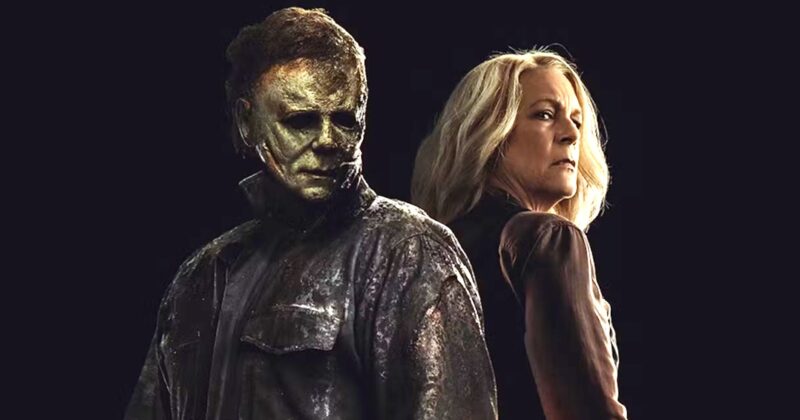
Since 1978, Halloween has been obsessed with the idea that evil never dies—it simply evolves. Michael Myers has always been ‘The Shape,’ a vessel for enigmatic malevolence. The introduction of Corey as a bullied outcast haunted by a tragic, accidental death becomes the pivot point of the film. His gradual transformation—mirroring Michael’s methods and slipping deeper into darkness—marked a new chapter. By donning the mask, Corey nearly steps fully into ‘The Shape,’ letting the myth’s horror be reborn in a contemporary frame about trauma and inheritance of violence.
The film meticulously follows this evolution, highlighting the subtle ways evil can take root in ordinary people. Corey’s journey, marked by ostracism and a yearning for belonging, reflects modern anxieties about the legacies we carry and the darkness we internalize. However, just as Corey’s new identity as ‘The Shape’ solidifies, the story pulls back, restoring Michael Myers as the focal killer for a climactic battle that ultimately undercuts the new direction.
The Unused Twist: Michael’s Mortality and the Enduring Shape
One of the film’s cleverest subversions is stifled before it reaches full fruition. Imagine if, instead of lurking in the sewers, Michael Myers had truly died offscreen. The revelation: the evil itself—the intangible ‘Shape’—survives by moving to a new host. Instead, the film teases this concept, with Corey learning from, and perhaps even being chosen by, Myers. Director David Gordon Green emphasized Michael’s humanity in interviews, suggesting the potential for an ending where the horrific mask is lifted to reveal merely a skull—The Shape transferring hosts yet again.
Laurie Strode and the True Meaning of Victory
The trilogy’s emotional and thematic core has always been Laurie Strode’s battle with obsession. After decades defined by Michael’s menace, Laurie’s arc demanded a confrontation with evil in its rawest, most unanswerable form. Reimagining the finale with Laurie not battling Michael, but unmasking Corey, would deepen the franchise’s message: evil is not vanquished by killing a man—it persists and evolves. Laurie’s real task is psychological, learning to live beyond the legend and the trauma that defined her life.
Reclaiming John Carpenter’s Vision
Recent films in the franchise have come closest to recapturing the unsettling essence of John Carpenter’s original masterpiece by focusing on ‘The Shape’—an idea, not just a person. The missed opportunity to pass the mantle of The Shape to Corey would have elevated the trilogy into something audaciously mythic, exploring horror as a cycle rather than a series of reprisals and rematches.
Cast, Direction, and Where to Watch
Directed by David Gordon Green and featuring Jamie Lee Curtis in her iconic role as Laurie Strode, alongside Andi Matichak and Rohan Campbell as Corey, this installment blends nostalgia with bold narrative experimentation. Produced by horror masterminds Bill Block and Jason Blum, the film clocks in at a taut 111 minutes, with a focus on legacy, renewal, and the myth of evil in modern America.
For fans and newcomers, this film remains a unique chapter in cinematic horror—provocative for what it attempted and tantalizing for what it nearly achieved.